As an ISO/IEC 17025 accredited (CNAS) independent laboratory, we provide comprehensive analysis of components of Traditional Chinese Medicine (TCM) to support herbal extract manufacturers, pharmaceutical exporters, and quality assurance teams worldwide. Our methods are validated for the U.S. Dietary Supplement Health and Education Act (DSHEA), EU Traditional Herbal Medicinal Products Directive (THMPD), and Chinese Pharmacopoeia (ChP) compliance.

Product Samples We Regularly Test
Our TCM component analysis services cover a wide range of botanical and formula samples:
- Raw medicinal herbs (roots, barks, flowers, fruits, leaves – e.g., ginseng, astragalus, licorice, angelica)
- Herbal slices (decoction pieces) and powders
- Standardized herbal extracts (single herb extracts like Ginkgo biloba, Green tea, Milk thistle)
- Traditional Chinese patent medicines (pills, capsules, tablets, oral liquids, granules)
- Proprietary TCM formulations (e.g., Liuwei Dihuang Wan, Xuefu Zhuyu Tang)
- Health food ingredients containing botanical actives
- Herbal tea blends and functional food additives
- Active pharmaceutical ingredients (API) derived from TCM (berberine, artemisinin, paclitaxel)
- Contaminant screening samples (for pesticides, heavy metals, mycotoxins)
Marker Compounds & Active Ingredient Quantification
- High-performance liquid chromatography (HPLC-UV/DAD) – According to Chinese Pharmacopoeia (ChP) and USP <621>, we quantify major markers such as ginsenosides (Rg1, Re, Rb1) in Panax ginseng, glycyrrhizic acid in licorice, and puerarin in kudzu root. LOD down to 0.1 µg/mL.
- UPLC-MS/MS for multi-component profiling – Based on AOAC 2015.09 and European Pharmacopoeia 2.2.46, our ultra-high performance LC-tandem mass spectrometry simultaneously quantifies up to 25 bioactive compounds (alkaloids, flavonoids, saponins) in a single 12-minute run.
- Gas chromatography (GC-FID/GC-MS) – For volatile oils and terpenoids: menthol in peppermint, borneol in Blumea balsamifera, and eucalyptol (per ISO 11024 and ChP volatile oil determination method).
- Thin layer chromatography (TLC) fingerprinting – Pharmacopoeial TLC method (ChP Appendix VI B) for identity confirmation of botanicals like Salvia miltiorrhiza (Danshen) and Coptis chinensis – visual comparison under UV 254/365 nm with reference standards.
Fingerprint Profiling & Chemometric Analysis
- HPLC chemical fingerprint – Full chromatographic profile per WHO guidelines for herbal medicines and ICH Q2(R1). We establish reference fingerprints for raw materials and finished products to detect batch-to-batch consistency, adulteration, or substitution.
- LC-QTOF high-resolution mass spectrometry – Unknown compound identification via accurate mass measurement (error < 3 ppm) and MS/MS fragmentation, matching against TCM specific libraries (TCM‑MS, GNPS).
- DNA barcoding (ITS2/psbA-trnH) – According to Chinese Pharmacopoeia molecular biology appendix, we authenticate botanical species origin to prevent misidentification (e.g., distinguishing Panax ginseng from Panax quinquefolius).
Contaminant & Safety Testing for TCM Products
- Heavy metals (ICP-MS) – Pb, Cd, As, Hg, Cu per USP <232>/<233> and ChP (2020) Appendix IX B. Detection limits: Pb 0.01 ppm, Cd 0.005 ppm – ensuring compliance with FDA action levels and EU 2023/915.
- Pesticide multi-residue screening (GC-MS/MS & LC-MS/MS) – Over 500 pesticides covered, following European Pharmacopoeia 2.8.13 and ChP pesticide residue method. Includes organochlorines (BHC, DDT), organophosphates (chlorpyrifos), and pyrethroids.
- Mycotoxins (aflatoxins B1, B2, G1, G2 & ochratoxin A) – Immunoaffinity column cleanup + HPLC-FLD per AOAC 2005.08 and ChP Appendix IX V. Limits: aflatoxin B1 ≤ 2 µg/kg (EU 1881/2006).
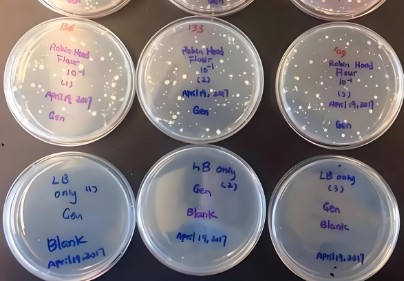
- Microbial contamination – Total plate count, E. coli, Salmonella, Staphylococcus aureus per USP <61>/<62> and ChP microbiological limit tests.
- Ethylene oxide & 2-chloroethanol residues – Headspace GC-MS per ISO 17075 and ChP Appendix VIII P, for sterilized TCM products.
Physicochemical & Purity Testing for TCM Extracts
- Loss on drying (LOD) – USP <731> / ChP moisture determination (drying at 105°C to constant weight).
- Total ash & acid-insoluble ash – USP <561> / ChP Appendix IX K – measures inorganic contaminants and sand/silica adulteration.
- Extractives (ethanol/water soluble extractives) – ChP hot extraction method using 95% ethanol or deionized water for herbs like Astragalus and Rehmannia.
- Particle size distribution – Laser diffraction per ISO 13320 for herbal powders intended for direct compression.
Report Accreditation & Compliance
All test methods above are performed within our ISO/IEC 17025:2017 scope (CNAS accreditation No. LXXXX). Our analysis of components of Traditional Chinese Medicine reports are recognized by the U.S. FDA (Dietary Supplement Master File support), European Medicines Agency (EMA) for traditional herbal registration, Health Canada (NHPD), and China’s NMPA. Each report includes complete chromatograms, system suitability data, traceability to certified reference materials (CRM, e.g., from NIST or EP), and a clear statement of conformity against pharmacopoeial limits (ChP, USP, EP). TCM exporters, contract manufacturers, and procurement managers can directly use our data for product registration, GMP audits, and customs clearance in major markets.