Yarn Weaving Tube Inspection Service – Accredited Dimensional, Mechanical and Surface Quality Testing for Global Textile Markets
Our internationally accredited laboratory delivers a specialist yarn weaving tube inspection service that provides manufacturers of textile bobbins, pirn tubes, winding cores, plastic and paper yarn carriers, and precision‑engineered weft‑package holders worldwide with the independent, traceable data they need to verify the dimensional accuracy, the mechanical strength, the surface finish, the dynamic balance and the long‑term durability of their yarn‑carrying tubes. Every measurement is conducted under the rigorous framework of ISO/IEC 17025, and each report bearing the ILAC mark is unconditionally accepted by regulatory authorities, notified bodies and supply‑chain partners in all major economies. The yarn weaving tube inspection service subjects the tube to a comprehensive suite of physical, mechanical, optical and environmental‑ageing evaluations, quantifying the critical parameters that govern the high‑speed unwinding performance, the yarn‑break prevention, the vibration‑free running on the spindle or the shuttle, and the compatibility with the automated doffing and the winding machinery. For a textile‑mill supplier certifying a batch of polypropylene spinning tubes, a weaving‑machine manufacturer qualifying a new carbon‑fibre‑reinforced pirn, or an importer verifying the conformance of a shipment of paper cones to the ISO 1107, the ISO 3914‑1 or the customer‑specific standards, this service delivers the legally robust, defensible data that underpin product certification, process‑optimisation and the guarantee of the flawless fabric quality.

Product Samples We Regularly Inspect Under Our Yarn Weaving Tube Inspection Service
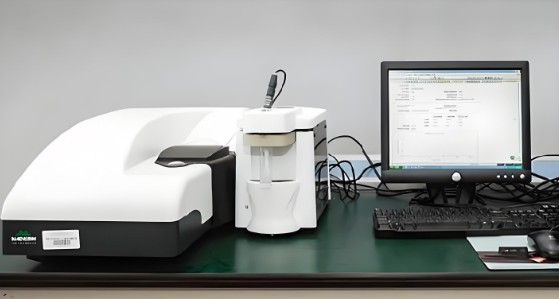
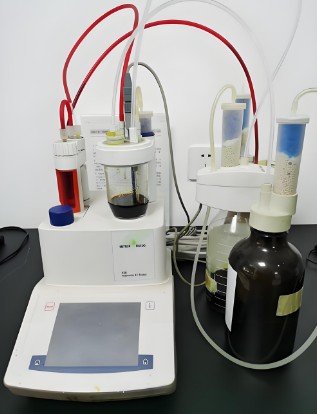
The laser‑scanning micrometres, the roundness‑testers, the universal tensile‑and‑compression test frames, the surface‑roughness profilometers, the environmental‑ageing chambers, the moisture‑content analysers and the high‑speed‑video motion‑analysis systems in our facility accommodate a broad variety of yarn weaving tube designs, materials and sizes. The following categories represent the most frequently tested items:
- Plastic and the composite yarn weaving tubes for the shuttleless looms – the injection‑moulded polypropylene, the polyamide, the polycarbonate and the glass‑fibre‑reinforced thermoplastic pirn tubes and the winding cores that are used on the projectile, the rapier and the air‑jet weaving machines, evaluated for the dimensional stability under the centrifugal force and the resistance to the repeated clamping
- Paper‑based and the laminated paper yarn carriers for the ring‑spinning and the winding frames – the spirally‑wound, the parallel‑wound and the convolute paper tubes and the cones that are used to carry the staple‑fibre and the filament yarns, tested for the concentricity, the axial‑compressive strength and the resistance to the humidity
- Wooden and the bamboo‑composite weaving pirns for the traditional and the specialty looms – the turned‑wood bobbins, the bamboo‑fibre‑reinforced tubes and the varnished yarn carriers that are used in the handloom, the carpet‑weaving and the artisanal textile production, assessed for the surface‑roughness, the splinter‑freedom and the moisture‑content
- Metallic and the carbon‑fibre‑reinforced high‑speed pirn tubes – the lightweight, the high‑stiffness aluminium‑alloy, the titanium and the carbon‑fibre‑composite tubes that are designed for the ultra‑high‑speed winding and the weft‑insertion, evaluated for the dynamic‑balance, the critical‑speed and the fatigue‑life
- Yarn tubes with the surface‑treatment and the anti‑static coatings – the tubes that are coated with the polyurethane, the ceramic, the diamond‑like‑carbon or the anti‑static lacquer to control the yarn‑slippage, the wear and the electrostatic charge, tested for the coating‑thickness, the adhesion and the electrical‑resistivity
- Prototype, field‑returned and the accelerated‑ageing‑exposed yarn weaving tube specimens – the tubes that have undergone the thermal‑cycling, the prolonged‑vibration, the chemical‑exposure or the in‑service damage, submitted for the residual‑property assessment, the crack‑detection and the root‑cause failure analysis
Dimensional Accuracy, Concentricity and Running Balance – Yarn Weaving Tube Inspection According to ISO 1107, ISO 3914‑1 and the Internal Protocols
- Measurement of the inner diameter, the outer diameter, the length and the wall‑thickness uniformity by the laser‑scanning micrometre and the coordinate‑measuring machine according to the internal validated protocol and the principles of ISO 1107 (Fishing nets – Netting – Basic terms and definitions, adapted for the textile‑tube dimensional control) and the ISO 3914‑1 (Textile machinery and accessories – Cylindrical tubes – Part 1: Recommended main dimensions): the tube is scanned at the multiple axial and the circumferential positions, and the mean, the minimum and the maximum values of each dimension are reported, providing the essential data that the machine‑builder uses to guarantee the correct fit of the tube on the spindle, the mandrel or the winding‑chuck and the uniform yarn‑package build. This yarn weaving tube inspection service verifies that every tube conforms to the tight tolerance class that is required for the high‑speed, the vibration‑free operation.
- Determination of the radial run‑out, the concentricity and the dynamic‑balance quality grade according to the internal validated protocol and the principles of ISO 1940‑1 (Mechanical vibration – Balance quality requirements for rotors in a constant – rigid – state): the tube is mounted on a precision spindle, and the radial run‑out is measured by a dial‑indicator or a non‑contact laser‑displacement sensor at the multiple positions along the length, and the unbalance and the balance quality grade – typically G 6.3, G 2.5 or G 1 – are reported, certifying that the tube will rotate without the excessive vibration and the noise that could cause the yarn‑breakage and the loom‑damage.
- Measurement of the tube‑straightness, the bow and the end‑squareness according to the internal procedures: the tube is placed on a flat reference surface or is rotated between the centres, and the deviation from the straight‑line and the end‑face perpendicularity are measured, providing the data that the yarn‑winder uses to ensure the even yarn‑tension and the uniform package‑density during the winding process.
- Dimensional and the geometric tolerance inspection after the thermal‑cycling and the moisture‑conditioning: the tube is subjected to a defined number of the temperature‑and‑humidity cycles that simulate the mill‑environment, and the post‑conditioning dimensions and the run‑out are remeasured, providing the data that the designer uses to select the correct material and the manufacturing process for the tropical, the air‑conditioned and the cold‑climate textile plants.
Mechanical Strength and Structural Integrity – Yarn Weaving Tube Inspection According to ASTM D695, ISO 604 and the Internal Protocols
- Determination of the axial compressive strength and the axial‑load‑bearing capacity according to ASTM D695 (Standard Test Method for Compressive Properties of Rigid Plastics) and ISO 604 (Plastics – Determination of compressive properties): a short section of the tube or the complete tube is compressed between two parallel platens in the axial direction, and the maximum compressive force and the deformation at the failure are reported, providing the data that the textile‑engineer uses to guarantee that the tube can withstand the winding‑tension, the doffing‑pressure and the stacking‑load during the storage and the transport without the collapse. This yarn weaving tube inspection service verifies that the tube meets the minimum strength specification for the intended yarn‑count and the winding‑density.
- Radial crush and the ring‑stiffness testing according to the internal validated protocol and the principles of the ISO 9969 (Thermoplastics pipes – Determination of ring stiffness): the tube is compressed between two parallel platens in the radial direction, and the force required to produce a defined percentage of the diametric deflection – typically 3 % or 5 % – is measured, quantifying the resistance of the tube to the external pressure that is exerted by the tightly‑wound yarn layers and the gripper‑fingers of the automatic doffer.
- Impact and the drop‑testing of the yarn weaving tube according to the internal procedures: the tube is dropped from a defined height onto a rigid steel plate, or is struck by a swinging pendulum, and the fracture, the cracking and the permanent deformation are assessed, simulating the accidental mishandling during the bobbin‑transport and the creel‑loading.
- Fatigue and the repeated‑loading performance under the cyclic axial or the radial compression: the tube is subjected to the repeated loading‑unloading cycles that represent the multiple winding‑and‑doffing operations, and the progressive loss of the stiffness, the onset of the cracking and the residual deformation are monitored, providing the durability‑life data that the user needs to schedule the tube‑replacement interval.
- Clamping‑force and the chuck‑retention testing according to the internal validated protocol: the tube is mounted on a representative winding‑chuck, and the force that is required to pull the tube off the chuck, or the torque that is required to cause the slip between the tube and the chuck, is measured, ensuring the secure, the slip‑free drive of the tube during the high‑speed winding and the unwinding.
Surface Quality, Coating Adhesion and Frictional Behaviour – Yarn Weaving Tube Inspection for the Yarn‑Package Integrity
- Measurement of the surface roughness by the contact‑stylus profilometry according to ISO 4287 (Geometrical Product Specifications – Surface texture: Profile method) and the internal procedures: the arithmetic mean roughness Ra and the mean peak‑to‑valley height Rz are measured on the external and the internal surfaces of the tube, providing the data that the yarn‑technologist uses to control the yarn‑slippage, the initial‑layer‑grip and the ease of the doffing. This yarn weaving tube inspection service ensures that the surface is neither too smooth – which would cause the yarn to slip and to tangle – nor too rough – which would damage the delicate filaments.
- Evaluation of the surface‑defects – the burrs, the splinters, the scratches, the sink‑marks and the weld‑lines – by the visual and the microscopic examination according to the internal procedures: the entire tube surface is inspected under the standardised lighting and the magnification, and the presence and the severity of any moulding‑defect that could snag or abrade the yarn are documented and reported, providing the quality‑acceptance data that are critical for the filament‑yarn and the micro‑denier applications.
- Determination of the coefficient of friction of the tube surface against the standard yarn by the capstan or the inclined‑plane method according to ASTM D3108 (Standard Test Method for Coefficient of Friction, Yarn to Solid Material) and the internal procedures: the yarn is drawn over the tube surface at a controlled speed and the input‑and‑output tensions are measured, yielding the dynamic coefficient of friction, which is the key parameter that governs the yarn‑tension build‑up and the package‑formation quality.
- Coating‑adhesion and the abrasion‑resistance of the surface‑treatment according to the internal validated protocol: the coated tube is subjected to a controlled rubbing or a scratch‑test, and the loss of the coating, the change in the surface‑roughness and the exposure of the substrate are evaluated, certifying the durability of the anti‑static, the wear‑resistant or the gripping coating over the repeated winding cycles.
Hygrothermal Stability, Chemical Resistance and Cleanability – Yarn Weaving Tube Inspection for the Mill‑Environment Durability
- Determination of the dimensional stability and the moisture‑absorption under the controlled humidity and the water‑immersion according to ASTM D570 (Standard Test Method for Water Absorption of Plastics) and the internal procedures: the tube is conditioned at 23 °C and 50 % RH, then exposed to 85 % or 95 % RH or immersed in the water, and the mass‑gain, the length‑change and the diameter‑swell are recorded, providing the critical data that the mill‑manager uses to select the correct tube material for the humid‑spinning and the wet‑processing environments. This yarn weaving tube inspection service verifies that the paper or the plastic tube will not warp, swell or lose the mechanical strength in the tropical or the steam‑conditioned mills.
- Resistance to the chemical agents – the spin‑finish lubricants, the sizing chemicals, the cleaning solvents and the dyes – according to ISO 175 (Plastics – Methods of test for the determination of the effects of immersion in liquid chemicals, adapted for the tube materials) and the internal procedures: the tube is immersed in the representative textile‑process chemicals, and the change in the mass, the dimensions, the tensile properties and the surface‑quality is reported, certifying the long‑term compatibility of the tube with the spinning and the weaving auxiliaries.
- Thermal‑shrinkage and the resistance to the elevated‑temperature exposure according to ASTM D2732 (Standard Test Method for Unrestrained Linear Thermal Shrinkage of Plastic Film and Sheeting, adapted for the tube) and the internal procedures: the tube is heated in a forced‑air oven at the maximum service temperature – typically 80 °C or 100 °C – and the percentage change in the length and the diameter is measured, ensuring that the tube will not shrink and loosen on the spindle during the high‑temperature drying or the yarn‑setting processes.
- Resistance to the mould and the fungal growth according to ASTM G21 (Standard Practice for Determining Resistance of Synthetic Polymeric Materials to Fungi) and the ISO 846 (Plastics – Evaluation of the action of microorganisms): the tube material is inoculated with the spores of the Aspergillus niger, the Penicillium funiculosum and the other common fungi, and the extent of the mould‑coverage and the loss of the mechanical strength are evaluated, providing the data that the specifier uses to approve the tube for the long‑term storage in the humid and the tropical warehouses.
- Cleanability and the resistance to the repeated autoclave‑sterilisation for the medical‑textile and the hygienic applications: the tube is subjected to the multiple steam‑sterilisation cycles, and the post‑cycling dimensional stability, the surface‑quality and the mechanical‑property retention are measured, certifying the tube for the use in the cleanroom‑compatible and the surgical‑suture winding applications.
Report Acceptance and Global Regulatory Compliance for Yarn Weaving Tube Inspection
All measurements performed within our yarn weaving tube inspection service are executed under the fully accredited scope of our ISO/IEC 17025 quality management system. Each test report that carries the ILAC mark is therefore automatically recognised by regulatory authorities, notified bodies, customs offices and supply‑chain partners in all major economies. For yarn‑carrier manufacturers, textile‑machinery builders, spinning‑mill and weaving‑mill quality managers, and textile‑component importers anywhere in the world, the report constitutes legally robust, internationally accepted evidence that the dimensional accuracy, the concentricity, the dynamic balance, the axial and the radial strength, the surface‑roughness, the frictional behaviour, the hygrothermal stability and the chemical resistance of the yarn weaving tube have been determined in accordance with the applicable ISO, ASTM and customer‑specified methods. The documentation can be directly used to support the product certification, the process‑optimisation, the supplier‑qualification audit, the issue of inspection certificates according to EN 10204 or equivalent national standards, and the resolution of commercial and technical disputes concerning the quality, the performance and the service life of any yarn weaving tube.