Wool Floc Detection Testing Service – Accredited Fiber Quality, Cleanliness and Performance Evaluation for Global Markets
Our internationally accredited laboratory delivers a specialist wool floc detection service that provides manufacturers of bedding, upholstery, thermal insulation, acoustic panels, filtration media, stuffed toys and automotive interior components worldwide with the independent, traceable data they need to verify the purity, cleanliness, fibre characteristics and functional performance of their loose‑fill wool floc. Every test is conducted under the rigorous framework of ISO/IEC 17025, and each report bearing the ILAC mark is unconditionally accepted by regulatory authorities, notified bodies and supply‑chain partners in all major economies. The wool floc detection programme subjects the fibrous bulk material to a comprehensive suite of physical, chemical, microscopical and performance evaluations, quantifying the fibre diameter and length distribution, the residual grease and dirt content, the moisture regain, the colour, the contamination by foreign fibres and vegetable matter, and the resistance to microbial growth and insect attack. For an exporter shipping wool‑filled duvets to the European Union, a technical nonwoven producer certifying the raw material for an automotive sound‑absorber, or a toy manufacturer demonstrating compliance with the EN 71‑3 migration limits, this service delivers the legally robust, defensible data that underpin product certification, supply‑chain transparency and the substantiation of natural, eco‑friendly and hypoallergenic claims.
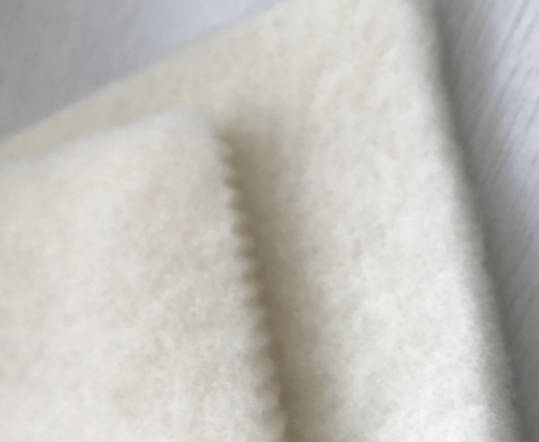
Product Samples We Regularly Subject to Wool Floc Detection
Our fibre‑measurement instruments, optical and scanning electron microscopes, conditioning ovens, chemical‑extraction apparatus and microbiological incubators accommodate all forms of bulk wool floc and the finished products that incorporate it. The following categories represent the most frequently tested items:
- Scoured and carbonised loose wool floc – the raw bulk fibre, before any further processing, evaluated for the residual grease, the dirt content, the fibre length and the absence of the carbonising acid residues
- Bleached, dyed and optically whitened wool floc – fibre that has been treated to improve the visual appeal and the colour consistency, tested for the colour fastness, the whiteness index and the chemical residues from the bleaching or the dyeing process
- Wool floc intended for the bedding and the upholstery filling – the fibre that will be in direct or indirect contact with the skin, evaluated for the pH, the dermal irritation potential and the compliance with the Oeko‑Tex Standard 100 or the REACH Annex XVII
- Wool floc for the thermal and the acoustic insulation – the bulk fibre used in the building‑envelope panels, the mobile‑home insulation and the automotive sound‑absorbers, characterised by the thermal conductivity, the airflow resistance and the fire performance
- Wool floc for the filtration and the absorbent media – the fibre that is needle‑punched or thermally bonded into the filter felts and the oil‑sorbent booms, evaluated for the fibre‑diameter distribution, the specific surface area and the oil‑sorption capacity
- Wool floc recovered from the post‑consumer and the post‑industrial waste streams – the recycled fibre, tested for the purity, the fibre‑length degradation and the presence of the prohibited chemical residues that would restrict its re‑use in the consumer products
Fibre Diameter, Length Distribution and Morphology – Wool Floc Detection According to IWTO‑8, IWTO‑12 and ASTM D2130
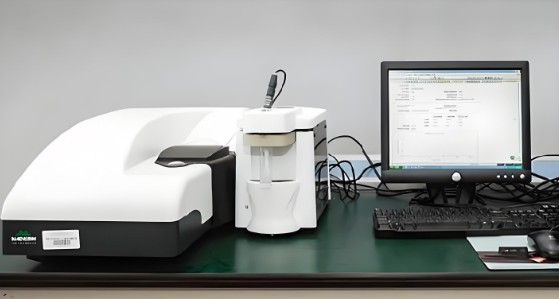
- Determination of the mean fibre diameter and the diameter distribution by the airflow (Porometer) or the projection‑microscope method according to IWTO‑8 (Method of determining fibre diameter distribution of wool by the airflow method) and IWTO‑12 (Measurement of the mean and distribution of fibre diameter of wool using an optical fibre diameter analyser): a representative specimen of the wool floc is prepared, and the diameter of several thousand individual fibres is measured. The mean diameter in micrometres, the standard deviation, the coefficient of variation and the comfort factor – the percentage of the fibres finer than 30 µm – are reported. This wool floc detection quantifies the softness, the prickle factor and the suitability of the fibre for the skin‑contact and the luxury‑bedding applications.
- Measurement of the fibre‑length distribution by the single‑fibre or the Almeter method according to ASTM D2130 (Standard Test Method for Diameter of Wool and Other Animal Fibers by Microprojection) and the IWTO recommended procedures: the mean staple length, the hauteur and the barbe, and the percentage of the short fibres below 10 mm are reported, providing the data that the nonwoven‑carding and the air‑laying process engineers use to optimise the web uniformity and the tensile strength.
- Light‑microscopy and the scanning‑electron‑microscopy examination of the fibre surface and the medullation: the presence of the hollow or the partially medullated fibres, the scale structure and the surface damage caused by the carbonising or the bleaching are assessed, supporting the root‑cause analysis of the excessive fibre breakage or the poor cohesion of the floc.
- Identification and the quantification of the other animal fibres, the synthetic fibres and the vegetable matter in the wool floc blend according to IWTO‑57 (Determination of the composition of wool and specialty animal fibres by microscopy) and the internal image‑analysis procedures: the percentage of the angora, the cashmere, the polyester, the polypropylene or the viscose that may be blended with the wool is measured, and any contamination by the burrs, the seeds and the straw is reported, ensuring the truth‑in‑labelling and the compliance with the fibre‑content regulations of the destination market.
Cleanliness, Grease Content and Chemical Residues – Wool Floc Detection According to IWTO‑19, IWTO‑33 and ISO 3071
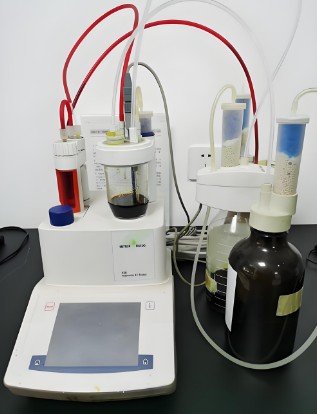
- Determination of the dichloromethane‑extractable matter (the residual wool grease and the oily impurities) according to IWTO‑19 (Method for the determination of the dichloromethane extractable matter of wool) and the ASTM D1574 (Standard Test Method for Extractable Matter in Wool and Other Animal Fibers): a known mass of the wool floc is extracted with dichloromethane in a Soxhlet apparatus, and the mass of the extractable residue is gravimetrically determined and reported as a percentage of the conditioned fibre mass. A residual grease content of less than 1.0 % is normally required for the scoured wool, and a value below 0.5 % is specified for the medical‑grade and the baby‑product fillings. This wool floc detection verifies the effectiveness of the scouring process and the suitability of the fibre for the hygiene‑critical applications.
- Measurement of the ash content and the mineral‑dirt residue according to IWTO‑33 (Determination of the ash content of wool) and the internal procedures: the fibre is incinerated at 750 °C, and the mass of the incombustible residue is reported, providing the data that the fibre buyer uses to assess the overall cleanliness of the wool and the efficiency of the carding and the de‑dusting operation.
- Determination of the pH of the aqueous extract according to ISO 3071 (Textiles – Determination of pH of the aqueous extract) and the Oeko‑Tex Standard 100 requirements: the wool floc is extracted with deionised water, and the pH of the extract is measured. The result must fall within the skin‑compatible range of 4.0 to 7.5 for the products that are worn or used next to the skin.
- Screening for the pesticide residues, the organochlorine compounds and the banned flame retardants according to the European Eco‑label criteria for the textile products and the REACH Annex XVII: the wool is extracted and the extract is analysed by the gas‑chromatography–mass‑spectrometry and the liquid‑chromatography–tandem‑mass‑spectrometry, and the concentration of each regulated substance is compared with the maximum permitted limit, ensuring that the wool floc can be placed on the European and the North American markets without the restriction.
- Detection of the residual carbonising acid and the determination of the alkali solubility according to IWTO‑4 (Method for the determination of the alkali solubility of wool) and the internal procedures: the wool floc that has been carbonised to remove the vegetable matter is tested for the residual sulfuric‑acid content and for the increase in the alkali solubility, which indicates the chemical damage to the protein fibre, verifying that the fibre has not been excessively weakened by the acid treatment.
Moisture Regain, Thermal Insulation and Fire Performance – Wool Floc Detection for Functional Applications
- Determination of the moisture regain and the conditioned mass according to ASTM D1576 (Standard Test Method for Moisture in Wool by Oven‑Drying) and IWTO‑34 (Method for the determination of the moisture content of wool): the specimen is oven‑dried to a constant mass, and the moisture regain in percent is calculated. The data are used to correct the commercial weight of the wool floc for the invoicing and to predict the fibre's ability to buffer the humidity in the bedding and the clothing applications.
- Measurement of the thermal conductivity and the thermal resistance of the loose wool floc according to ASTM C518 (Standard Test Method for Steady‑State Thermal Transmission Properties by Means of the Heat Flow Meter Apparatus) and ISO 8301 (Thermal insulation – Determination of steady‑state thermal resistance and related properties – Heat flow meter apparatus): the wool floc is placed in a test frame to a specified density, and the thermal conductivity λ in milliwatts per metre‑kelvin and the R‑value per unit thickness are reported, providing the objective performance data for the marketing of the wool‑based building insulation and the cold‑weather apparel.
- Flammability and the resistance to the smouldering ignition according to the 16 CFR Part 1632 (Standard for the Flammability of Mattresses and Mattress Pads) and the ASTM D1230 (Standard Test Method for Flammability of Apparel Textiles): the wool floc, either loose or encased in a standard fabric, is exposed to a lit cigarette or a small open flame, and the char‑length, the after‑flame time and the mass loss are recorded, providing the mandatory fire‑safety data for the bedding, the upholstery and the protective‑clothing fillings.
- Determination of the limiting oxygen index and the heat‑release rate by the cone calorimetry according to ISO 4589‑2 (Plastics – Determination of burning behaviour by oxygen index – Part 2: Ambient‑temperature test) and ASTM E1354 (Standard Test Method for Heat and Visible Smoke Release Rates for Materials and Products Using an Oxygen Consumption Calorimeter): the flammability parameters of the wool floc are measured, supporting the product development for the aircraft, the railway and the marine interiors where the stringent fire‑safety codes apply.
Microbiological Safety, Insect Resistance and Biological Durability – Wool Floc Detection for Long‑Term Performance
- Assessment of the resistance to the attack by the common clothes moths and the carpet beetles according to AATCC TM24 (Test Method for the Resistance of Textiles to Insects) and the ISO 3998 (Textiles – Determination of resistance to certain insect pests): the wool floc is exposed to the larvae of the webbing clothes moth or the black carpet beetle under the controlled conditions, and the mass loss and the visual damage are evaluated, providing the data that the manufacturer uses to claim the inherent insect‑resistance of the properly cleaned wool or to specify the addition of a moth‑proofing agent.
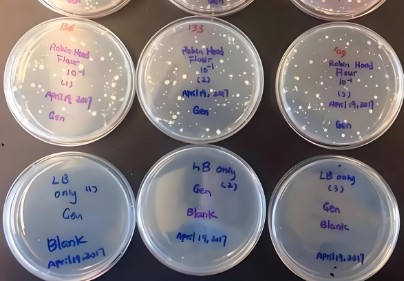
- Determination of the resistance to the bacteria and the fungi according to AATCC TM100 (Test Method for Antibacterial Finishes on Textile Materials) and the ASTM G21 (Standard Practice for Determining Resistance of Synthetic Polymeric Materials to Fungi): the wool floc is inoculated with the specified strains of the gram‑positive and the gram‑negative bacteria or the moulds, and the reduction in the colony‑forming units is reported, supporting the claims of the natural anti‑microbial and the anti‑odour properties of the wool.
- Soil‑burial and the long‑term biodegradability test according to the ISO 11721 (Textiles – Determination of the resistance of cellulose‑containing textiles to micro‑organisms – Soil burial test) and the internal procedures: the wool floc is buried in a biologically active soil, and the loss of the tensile strength and the mass is measured over a period of several weeks, demonstrating the rapid biodegradation of the wool at the end of its useful life and supporting the compostability claims.
- Detection of the mould‑growth and the odour development under the high‑humidity storage conditions: the wool floc is conditioned at 30 °C and 95 % relative humidity for a defined period, and the visual mould rating and the headspace‑gas‑chromatography–mass‑spectrometry analysis of the volatile organic compounds are performed, ensuring that the fibre has been properly dried and packaged to prevent the spoilage during the ocean‑freight transport and the warehouse storage.
Report Acceptance and Global Regulatory Compliance
All measurements performed within our wool floc detection programme are executed under the fully accredited scope of our ISO/IEC 17025 quality management system. Each test report that carries the ILAC mark is therefore automatically recognised by regulatory authorities, notified bodies, customs offices and supply‑chain partners in all major economies. For wool‑scouring plants, fibre merchants, bedding and upholstery manufacturers, insulation‑product producers and toy‑industry quality‑assurance teams anywhere in the world, the report constitutes legally robust, internationally accepted evidence that the fibre diameter, the length distribution, the cleanliness, the chemical residues, the thermal and the fire performance, and the biological durability of the wool floc have been determined in accordance with the applicable IWTO, ASTM, ISO, EN and customer‑specified methods. The documentation can be directly used to support the CE marking under the EU Toy Safety Directive or the Construction Products Regulation, the Oeko‑Tex Standard 100 certification, the issue of inspection certificates according to EN 10204 or equivalent national standards, and the resolution of commercial and technical disputes concerning the quality, the purity and the performance of any wool‑floc product.