
Thin Layer Chromatography (TLC) Testing Service – Accredited Planar Separation and Identification for Global Markets
Our internationally accredited laboratory provides a versatile and cost‑effective Thin Layer Chromatography (TLC) testing service that supports pharmaceutical manufacturers, herbal‑medicine producers, food‑safety agencies, forensic investigators, cosmetic formulators and chemical traders worldwide with rapid, reliable qualitative and semi‑quantitative analysis. All tests are conducted under the rigorous framework of ISO/IEC 17025, and each report bearing the ILAC mark is unconditionally accepted by regulatory authorities, customs offices and notified bodies in all major economies. Thin Layer Chromatography (TLC) testing service separates non‑volatile organic and inorganic compounds on a planar silica gel, cellulose or modified sorbent layer using a liquid mobile phase, visualising the separated spots under ultraviolet light, after derivatisation, or by direct densitometric scanning. This technique remains the pharmacopoeial reference method for the identification of botanical drugs, the limit test for related impurities, and the screening of adulterants in food and cosmetics. By employing high‑performance TLC plates, automated sample application, controlled developing chambers and digital imaging documentation, we provide our global clients with the legally robust, traceable data they need for batch release, supply‑chain authentication and compliance with international pharmacopoeias and food standards.
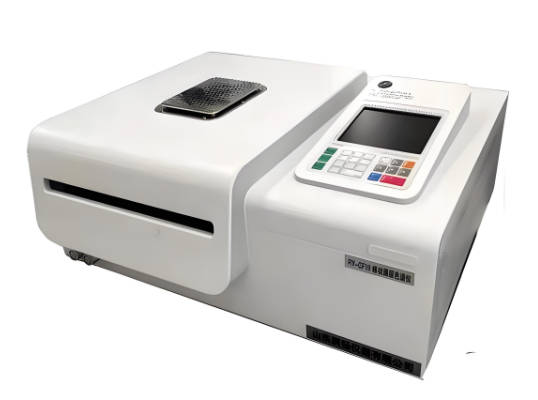
Product Samples We Regularly Subject to Thin Layer Chromatography (TLC) Testing
The minimal sample preparation and the ability to analyse multiple samples on a single plate make TLC an exceptionally efficient screening tool. The following categories represent the materials most frequently tested through our Thin Layer Chromatography (TLC) testing service:
- Pharmaceutical ingredients and finished dosage forms – active pharmaceutical ingredients, tablets, capsules, syrups, creams and traditional herbal medicines
- Botanical raw materials and herbal drugs – dried leaves, roots, seeds, flowers, bark, essential oils, tinctures and powdered extracts
- Food and beverages – edible oils, spices, natural colours, fruit juices, wines, honey and dairy products
- Cosmetics and personal‑care products – creams, lotions, lipsticks, shampoos, hair dyes and sunscreens
- Forensic and law‑enforcement samples – illicit drugs, counterfeit pharmaceuticals, questioned documents, inks and dyes
- Chemicals, solvents and industrial intermediates – surfactants, plasticisers, preservatives, pesticides, dyestuffs and reaction‑mixture monitoring
- Environmental samples – water extracts, soil extracts, pesticide residues and industrial‑effluent screens
Pharmaceutical, Pharmacopoeial and Herbal Medicine TLC Testing – Identification, Purity and Adulterant Screening
- Pharmacopoeial identification and identity testing according to USP ⟨201⟩, Ph. Eur. 2.2.27 and the specific monographs of the European Pharmacopoeia and the United States Pharmacopeia: the test solution and the reference standard are applied as bands onto a silica gel 60 F254 HPTLC plate, developed in a saturated chamber with a prescribed solvent mixture, and visualised under UV light at 254 nm and 366 nm, and after derivatisation if required. The Rf values, the colour and the intensity of the separated spots must correspond to those of the reference. This Thin Layer Chromatography (TLC) testing service provides the rapid, cost‑effective identity confirmation that is a mandatory release test for hundreds of active ingredients and herbal drugs.
- Limit test for related substances and organic impurities in pharmaceuticals: the sample is applied at a high concentration alongside a dilute reference solution representing the allowed impurity level. After development, any secondary spot in the sample track must not be more intense than the corresponding spot in the reference track. The method is validated for specificity and detection limit, and it is widely used for the control of process‑related impurities and degradation products in generic medicines.
- High‑performance TLC fingerprinting of herbal medicines, botanical extracts and nutraceuticals: the extract is analysed on an HPTLC plate with automated multiple‑development or isocratic elution, and the resulting pattern of fluorescent and visible‑light spots is documented with a digital imaging system. The fingerprint is compared with a reference botanical material or a pharmacopoeial monograph, providing the objective evidence of the species identity and the detection of undeclared substitution or adulteration. This Thin Layer Chromatography (TLC) testing service is accepted by the WHO, the European Medicines Agency and national pharmacopoeia commissions for the quality control of traditional and complementary medicines.
- Screening for synthetic adulterants in herbal and dietary supplements: the sample is extracted and analysed alongside reference standards of common adulterants – phosphodiesterase‑5 inhibitors, anorectics, corticosteroids and non‑steroidal anti‑inflammatory drugs. The presence of any unexpected spot that matches an adulterant standard is reported, and the identity can be confirmed by in‑situ UV‑Vis spectroscopy or by coupling with mass spectrometry.
- Cleaning‑validation and residue monitoring by TLC: swab samples from manufacturing equipment are extracted and analysed, and the absence of a spot at the Rf of the active ingredient confirms that the cleaning procedure has been effective. The method is inexpensive, rapid and can be performed on site, supporting the cleaning‑validation programmes of multi‑product pharmaceutical facilities.
Food, Beverage and Cosmetic TLC Testing Service – Authenticity, Contaminants and Quality Control
- Detection of adulteration in edible oils, spices and high‑value foods: the lipid fraction or the spice extract is separated on a silica gel plate, and the triglyceride profile or the characteristic marker bands are compared with authentic reference samples. The addition of cheap seed oils to extra‑virgin olive oil, the dilution of saffron with dyed corn silk, or the substitution of natural vanilla extract with synthetic vanillin is detected and documented.
- Identification of synthetic colours, preservatives and sweeteners in processed foods and beverages according to the methods of the AOAC and the EU reference laboratories: the additives are extracted, and the extract is chromatographed alongside permitted reference standards. The spot pattern confirms the identity of the declared additives and detects any unauthorised synthetic colour. This Thin Layer Chromatography (TLC) testing service is routinely used by food‑control laboratories for the surveillance of imported confectionery, soft drinks and processed foods.
- Screening for mycotoxins – aflatoxins, ochratoxin A and zearalenone – in cereals, nuts and spices: the sample is extracted, cleaned by immunoaffinity or solid‑phase extraction, and the extract is applied to an HPTLC plate alongside mycotoxin reference standards. After development and derivatisation, the characteristic fluorescence of each mycotoxin is visualised, and the concentration is estimated by comparison with the standards. The method provides a cost‑effective pre‑screen that reduces the number of samples requiring LC‑MS/MS confirmation.
- Authenticity and quality control of essential oils, fragrances and cosmetic raw materials: the oil or the extract is analysed on a silica gel plate with a suitable mobile phase, and the characteristic terpene and aroma‑chemical profile is visualised with anisaldehyde‑sulfuric acid reagent. The pattern confirms the botanical origin of lavender, tea‑tree, rosemary and citrus oils, and detects the addition of synthetic aroma chemicals or lower‑grade oils.
- Determination of hydroquinone, corticosteroids and prohibited substances in cosmetic skin‑lightening products: the cream or lotion is extracted, and the extract is analysed alongside reference standards of hydroquinone, clobetasol propionate, betamethasone and other prohibited ingredients. Any positive match is reported, and the data support the enforcement of the EU Cosmetics Regulation and the ASEAN Cosmetic Directive.
Forensic, Environmental and Industrial TLC Testing – Unknown Identification and Rapid Field Deployability
- Screening of seized drugs and controlled substances according to the UNODC recommended methods: the unknown powder, tablet or plant material is dissolved and chromatographed alongside reference standards of common drugs of abuse. The colour reactions after spraying with Dragendorff, Marquis or other reagents, combined with the Rf values, provide a preliminary identification that is admissible in many jurisdictions and that directs the confirmatory GC‑MS or LC‑MS analysis.
- Analysis of inks, dyes and colourants in questioned documents and counterfeit products: the ink is extracted from the paper or the packaging, and the dye components are separated on a silica gel or cellulose plate. The pattern of the coloured bands is compared with a reference collection, enabling the differentiation of inks, the identification of the pen type and the detection of document alterations. This Thin Layer Chromatography (TLC) testing service is routinely applied by forensic document examiners and brand‑protection investigators.
- Pesticide residue screening in environmental water and soil extracts: the extract is concentrated and analysed on an HPTLC plate with multiple‑wavelength detection. Organochlorine, organophosphorus and carbamate pesticides are identified by their characteristic Rf values and by enzyme‑inhibition bio‑autography, providing a rapid, low‑cost screening tool for environmental monitoring programmes in developing and developed countries alike.
- Monitoring of chemical reactions and process development: aliquots of the reaction mixture are applied to a TLC plate and developed. The appearance of the product spot, the disappearance of the starting material and the formation of by‑products are monitored, providing the process chemist with real‑time information on the reaction progress without the expense and delay of chromatographic analysis.
Report Acceptance and Global Regulatory Compliance
All analyses performed within our Thin Layer Chromatography (TLC) testing service are executed under the fully accredited scope of our ISO/IEC 17025 quality management system. Each test report that carries the ILAC mark is therefore automatically recognised by regulatory authorities, notified bodies, customs offices and supply‑chain partners in all major economies. For pharmaceutical manufacturers, herbal‑product suppliers, food‑safety agencies, cosmetic companies and forensic laboratories anywhere in the world, the report constitutes legally robust, internationally accepted evidence that the planar chromatographic identification, purity and adulterant‑screening data have been determined in accordance with the applicable USP, Ph. Eur., AOAC, ASTM and customer‑specified methods. The documentation can be directly used for pharmacopoeial compliance, product registration, import‑export clearance, the issue of inspection certificates according to EN 10204 or equivalent national standards, and the resolution of commercial and technical disputes concerning the identity, purity and authenticity of any substance.




