Species Identification Experiment – Accredited DNA Barcoding, Morphological and Proteomic Analysis for Global Markets
Our internationally accredited laboratory provides a specialist species identification experiment service that enables food manufacturers, pharmaceutical companies, herbal‑medicine suppliers, forensic investigators, environmental consultants, customs authorities and biodiversity researchers worldwide to independently verify the biological identity of raw materials, processed products and trace evidence. Every analysis is performed under the rigorous framework of ISO/IEC 17025, and each report carrying the ILAC mark is unconditionally accepted by regulatory authorities, notified bodies and supply‑chain partners in all major economies. The species identification experiment employs a multi‑technique approach – Sanger and next‑generation DNA sequencing, real‑time polymerase chain reaction, matrix‑assisted laser desorption/ionization time‑of‑flight mass spectrometry and digital microscopy – to provide definitive taxonomic assignment down to the genus, species or even subspecies level. For a seafood importer demonstrating that a frozen fillet is the declared Gadus morhua and not a substituted cheaper species, a herbal‑medicine manufacturer authenticating Panax ginseng against the adulterant Panax quinquefolius, or a forensic laboratory linking a suspect to a crime scene through the analysis of a single hair, this service delivers the legally robust, defensible molecular and morphological data that underpin regulatory compliance, product certification and the protection of the consumer and the environment.
Product Samples We Regularly Subject to the Species Identification Experiment
The DNA‑extraction clean rooms, real‑time PCR suites, Sanger and next‑generation sequencing platforms, MALDI‑TOF mass spectrometers and digital‑microscopy workstations in our facility accommodate an extraordinarily diverse range of biological matrices. The following categories represent the most frequently tested items:
- Fresh, frozen and processed meat and fish products – fillets, steaks, mince, surimi, canned fish, dried meat snacks and pet‑food ingredients
- Dairy products and edible oils – cheese, butter, yoghurt and olive oil tested for the species‑specific DNA or the protein markers that confirm the declared milk‑source or the absence of the adulterating vegetable oils
- Botanical raw materials and herbal medicines – dried leaves, roots, seeds, bark, powdered extracts and traditional‑medicine formulations where the correct species identity is essential for the safety and the efficacy
- Wood, timber and paper products – sawn timber, veneers, plywood, pulp and paper, analysed to verify the declared genus and the geographical origin for the compliance with the CITES and the timber‑trade regulations
- Textile fibres, leather and wildlife forensic specimens – wool, cashmere, fur, reptile skins, feathers, ivory and the traditional‑medicine ingredients derived from the endangered species
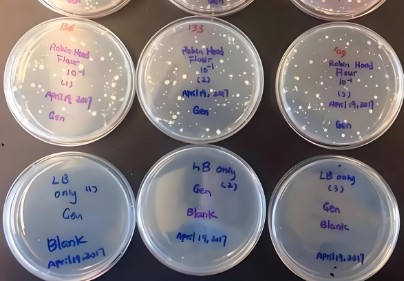
- Microbial isolates and the environmental samples – bacterial, yeast and mould colonies, swabs from the food‑processing equipment, soil and water samples, identified to the species or the strain level for the contamination control and the ecological monitoring
- Pollen, spores and the trace botanical evidence – airborne pollen, honey‑pollen assemblages and the forensic botanical traces that provide the geo‑location and the seasonal information
DNA‑Based Methods – Species Identification Experiment According to ISO 21571, the CODEX Alimentarius Guidelines and the Forensic DNA Standards
- Sanger sequencing of the standardised DNA‑barcode regions – the mitochondrial cytochrome‑c‑oxidase I (COI) gene for the animals, the internal‑transcribed‑spacer (ITS) region and the plastid matK/rbcL genes for the plants, and the 16S‑rRNA gene for the bacteria: the total genomic DNA is extracted from the sample, the target barcode region is amplified by the polymerase chain reaction, and the purified amplicon is sequenced on a capillary‑electrophoresis platform. The resulting sequence is compared against the public and the curated reference databases such as the Barcode of Life Data System and the GenBank, and the species‑level match is reported with the percentage sequence identity and the statistical confidence. This species identification experiment provides the single‑species identification that is the gold‑standard method for the food‑authenticity verification and the forensic casework.
- Real‑time PCR and the species‑specific primer/probe assays for the rapid, targeted detection of a particular species or a group of the closely related species: the sample DNA is amplified in the presence of a fluorescently labelled probe that is specific to the target species, and the cycle‑threshold value is recorded. The method is capable of detecting the target species at a level as low as 0.1 % (w/w) in a complex mixture, and it is routinely used for the screening of the meat and the fish products for the presence of the undeclared species, the allergens and the genetically modified organisms.
- Next‑generation sequencing and the metabarcoding of the complex, multi‑species samples: the universal primers are used to amplify a short, highly variable DNA‑barcode region from all the eukaryotic or the prokaryotic species that are present in the sample, and the amplicons are sequenced on an Illumina or an Oxford Nanopore platform. The millions of the reads are clustered into the operational taxonomic units and assigned to the species using the bioinformatics pipelines, providing the comprehensive species‑composition profile of the processed food, the herbal supplement, the environmental swab or the faecal sample. This species identification experiment is the method of choice for the authentication of the highly processed, multi‑ingredient products where the DNA is degraded or where the multiple species must be detected simultaneously.
- DNA‑mini‑barcode and the fragment‑analysis methods for the degraded and the processed samples: for the samples where the DNA is highly fragmented – such as the canned fish, the sterilised milk, the gelatin, the tanned leather and the aged museum specimens – the shorter amplicons (100–200 base‑pairs) are targeted, and the sequencing or the capillary‑electrophoresis fragment‑analysis is performed, providing the species identification that would be impossible with the standard, longer barcode regions.
Protein‑Based Methods – Species Identification Experiment Using MALDI‑TOF Mass Spectrometry and Immunoassays
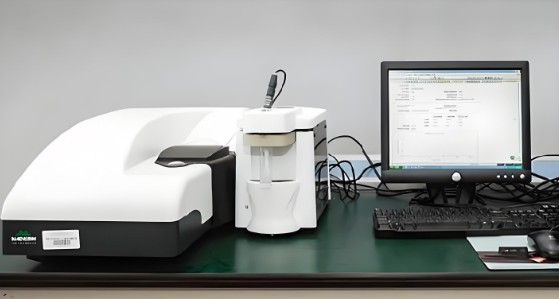
- Rapid species identification by the MALDI‑TOF mass‑spectrometry protein fingerprinting according to the internal validated protocols and the principles of ISO 17025: a small amount of the microbial colony, the meat‑juice or the protein extract is spotted onto a target plate with a matrix solution, and the protein‑fingerprint spectrum is acquired. The spectrum is matched against the comprehensive spectral databases containing the reference spectra of the thousands of the species, and the identification is returned within minutes. This species identification experiment is the standard method for the clinical and the food‑microbiology laboratories and is increasingly applied to the fish and the meat speciation.
- Enzyme‑linked immunosorbent assay and the lateral‑flow immunoassay for the species‑specific protein detection: the antibodies that are specific to the target species' muscle protein, the casein or the other thermostable proteins are used to detect and to semi‑quantify the presence of the declared or the adulterating species in the raw and the cooked products, providing the rapid, field‑portable complement to the DNA‑based methods.
Morphological and Microscopic Species Identification Experiment – Validation of the Molecular Data
- Macroscopic and the stereomicroscopic examination of the whole specimens and the anatomical fragments: the gross morphology, the shape, the colour, the texture and the characteristic anatomical features of the seed, the leaf, the bone, the scale, the hair or the feather are examined and compared with the reference atlases and the herbarium or the museum voucher specimens, providing the independent, morphology‑based species confirmation that is required when the DNA is unavailable or when the morphological and the molecular identifications must agree.
- Histological and the scanning‑electron‑microscopy analysis of the tissue and the powder: the micro‑anatomical features – the cell‑shape, the starch‑grain morphology, the trichome type, the vessel‑element structure and the fibre‑characteristics – are imaged and compared with the reference standards, enabling the species identification of the powdered herbal drugs, the spices and the forensic hair and fibre evidence.
Report Acceptance and Global Regulatory Compliance
All analyses performed within our species identification experiment service are executed under the fully accredited scope of our ISO/IEC 17025 quality management system. Each test report that carries the ILAC mark is therefore automatically recognised by regulatory authorities, notified bodies, customs offices and supply‑chain partners in all major economies. For food importers, pharmaceutical manufacturers, herbal‑medicine suppliers, forensic laboratories and environmental‑consulting firms anywhere in the world, the report constitutes legally robust, internationally accepted evidence that the taxonomic identity of the biological material has been determined in accordance with the applicable ISO, CODEX, AOAC, USP and customer‑specified methods. The documentation can be directly used to support the import‑export clearance, the product registration, the food‑safety certification, the forensic‑evidence presentation, the issue of inspection certificates according to EN 10204 or equivalent national standards, and the resolution of commercial and technical disputes concerning the authenticity, the substitution and the mislabeling of any biological product.