
Sealing Performance Testing Service – Accredited Leak Tightness, Gasket Integrity and Seal Durability Evaluation for Global Markets
Our internationally accredited laboratory provides a comprehensive sealing performance testing service that enables manufacturers of gaskets, O‑rings, valves, hydraulic systems, automotive engines, packaging closures and industrial process equipment worldwide to independently verify the leak‑tightness, compression‑set resistance, fugitive‑emission control and long‑term durability of their sealing products. Every test is conducted under the strict framework of ISO/IEC 17025, and each report bearing the ILAC mark is unconditionally accepted by regulatory authorities, notified bodies and supply‑chain partners in all major economies. The sealing performance testing service subjects seals, joints and complete assemblies to precisely controlled pressures, temperatures, mechanical deformations and chemical exposures, quantifying the leakage rate, the sealing contact stress, the blow‑out resistance, the friction behaviour and the service life under conditions that reproduce the most demanding industrial, automotive, aerospace and consumer applications. For a gasket manufacturer certifying a spiral‑wound gasket to the fugitive‑emission requirements of ISO 15848, a hydraulic cylinder producer validating the rod‑seal performance, or a food‑packaging converter demonstrating the hermetic seal integrity of a flexible pouch, our platform delivers the legally robust, defensible data that underpin product certification, warranty validation and compliance with the relevant ISO, ASTM, EN, SAE and customer‑specified standards.
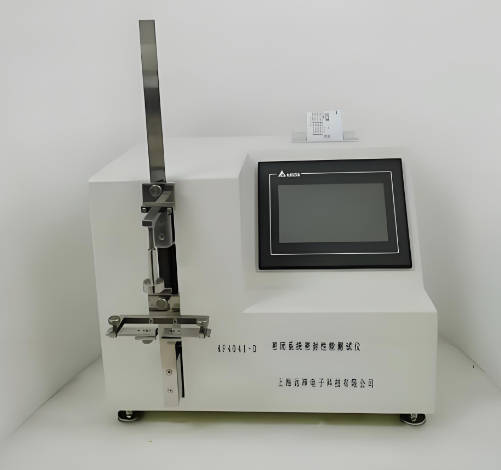
Product Samples We Regularly Subject to Sealing Performance Testing
Our pressure test rigs, environmental chambers, tension‑compression machines and mass‑spectrometer leak detectors accommodate seals, gaskets and complete assemblies from a few millimetres to several metres in diameter. The following categories represent the items most frequently evaluated through our sealing performance testing service:
- Static gaskets and seals – spiral‑wound gaskets, camprofile gaskets, ring‑type joints, sheet‑gasket materials, rubber and fibre gaskets, PTFE envelope gaskets and graphite‑laminate seals
- O‑rings and elastomeric seals – O‑rings, quad‑rings, X‑rings, back‑up rings, custom‑moulded elastomeric seals and silicone gaskets for fluid‑power, medical and food‑grade applications
- Mechanical seals and rotary shaft seals – cartridge mechanical seals, component mechanical seals, lip seals, V‑rings, labyrinth seals and oil‑seal rings for pumps, compressors, mixers and gearboxes
- Valves, flanges and pipe joints – ball‑valve seats, gate‑valve stem packings, butterfly‑valve liners, bolted‑flange assemblies and threaded‑pipe connections
- Automotive and engine sealing systems – cylinder‑head gaskets, intake‑manifold gaskets, oil‑pan gaskets, valve‑stem seals, crankshaft‑seal rings and turbocharger‑oil seals
- Packaging closures and container seals – bottle‑cap liners, induction‑seal membranes, child‑resistant closures, aerosol‑valve gaskets, flexible‑film seals and plastic‑container‑lid combinations
- Pneumatic and hydraulic sealing systems – piston seals, rod seals, wipers, guide rings and cushion‑seals for cylinders, actuators and accumulators
- Composite and metallic seal rings for extreme environments – metal C‑rings, E‑rings, spring‑energised polymer seals, ceramic‑to‑metal seals and high‑temperature alloy seals for aerospace, nuclear and down‑hole applications
Static Gaskets and Flange Assemblies – Sealing Performance Testing According to EN 13555 and ISO 15848‑1
- Determination of the gasket factors and the leakage rate of bolted flange connections according to EN 13555 (Flanges and their joints – Gasket parameters and test procedures) and the principles of ASME PCC‑1: the gasket is installed in a calibrated test platen that simulates a rigid flange, and a precisely controlled compressive stress is applied. The gasket deformation, the compressive modulus, the unloading modulus and the creep‑relaxation behaviour are measured. The leakage rate of helium or nitrogen is determined at a range of internal pressures and gasket‑compression levels using a mass‑spectrometer leak detector or a pressure‑decay method. The minimum gasket stress required to achieve a specified tightness class – for example, 1 mg·s⁻¹·m⁻¹ for fugitive‑emission service – is reported. This sealing performance testing service provides the fundamental design data that piping engineers use to select the correct gasket type, to calculate the bolt‑tightening torque and to guarantee the leak‑free operation of the flange in chemical, petrochemical and power‑generation plants.
- Fugitive‑emission type‑testing of gaskets and stem packings according to ISO 15848‑1 (Industrial valves – Measurement, test and qualification procedures for fugitive emissions): the gasket or the stem‑packing assembly is installed in a representative valve or a fixture, and the assembly is subjected to a thermal cycle between ambient temperature and the maximum rated temperature, typically up to 400 °C, while the internal pressure is maintained. The mass loss of the helium or methane test gas is measured by sniffer‑probe or vacuum‑chamber methods, and the emission class is reported. The test is mandatory for the certification of valves to the ISO 15848 performance classes and for the compliance of the plant with the stringent environmental‑emission regulations of the EU Industrial Emissions Directive and the US EPA.
- Gasket‑relaxation and hot‑compression testing according to ASTM F38 and the DIN 52913 procedure: the gasket is compressed between two heated platens to the design stress, and the residual stress is monitored over an extended period – typically 1 000 hours – at the maximum service temperature. The relaxation curve and the percentage loss of the initial bolt load are reported, providing the data that the maintenance engineer needs to set the retightening interval and to predict the remaining service life of the gasket.
- Blow‑out and internal‑pressure resistance of gaskets and O‑rings: the seal is pressurised on the internal diameter without any external compression load, and the pressure at which the seal is extruded from the groove or ruptures is recorded. The test verifies that the seal will survive an emergency over‑pressure or a fire‑induced thermal expansion of the confined fluid without catastrophic failure.
O‑Rings, Elastomeric Seals and Rubber‑to‑Substrate Bonding – Sealing Performance Testing According to ISO 3601 and ASTM D1414
- Determination of the compression set, the stress relaxation and the sealing force retention of O‑rings according to ISO 3601‑5 (O‑rings – Part 5: Specification of elastomeric materials for industrial applications) and ASTM D1414: the O‑ring is compressed to a specified squeeze – typically 15 % to 30 % – and held at the test temperature for 24 hours to 168 hours. After the load is released, the permanent deformation is measured, and the compression set in percent is reported. The stress‑relaxation fixture records the decay of the sealing force with time, and the data are used to predict the low‑temperature sealing limit and the service life of the O‑ring in a static housing.
- Leakage‑rate measurement of O‑rings under static and dynamic conditions: the O‑ring is installed in a piston‑and‑cylinder or a face‑seal test rig, and a pressurised gas or liquid is applied. The leakage rate is measured by pressure‑decay, mass‑flow or helium‑sniffer methods at a series of temperatures from -55 °C to +200 °C. This sealing performance testing service verifies that the O‑ring will provide the required leak‑tightness over the full operating envelope of the hydraulic system, the fuel injector or the aerospace actuator.
- Rapid‑gas‑decompression resistance of elastomeric seals according to NORSOK M‑710 and ISO 23936‑2: the O‑ring is saturated with a gas mixture under high pressure at an elevated temperature, and the pressure is rapidly released. The cycle is repeated several times, and the O‑ring is inspected for blistering, internal cracking and loss of sealing force. The test is critical for the qualification of seals for high‑pressure gas‑compression, oil‑and‑gas production and diving equipment.
- Low‑temperature sealing and elasticity test according to the ISO 3601‑5 Annex and the customer’s cold‑start requirements: the O‑ring is conditioned at -40 °C or -55 °C, and the sealing force, the recovery after compression and the leakage rate are measured. The data ensure that the seal will not leak during a cold‑weather start‑up of an aircraft‑hydraulic system, an automotive engine or an outdoor natural‑gas valve.
Dynamic Seals – Rotary Shaft Seals, Hydraulic Rod Seals and Reciprocating Seals – Endurance, Friction and Leakage Testing
- Rotary‑shaft‑seal endurance and leakage test according to ISO 6194‑4 and the automotive‑industry standards: the lip seal is installed in a test housing, and the shaft is rotated at a defined speed – typically 1 000 rpm to 10 000 rpm – while the sump temperature is maintained at the maximum rated value. The oil leakage rate, the wear of the seal lip and the temperature of the sealing contact are monitored over a test duration of 500 hours to 2 000 hours. This sealing performance testing service provides the validation data that engine and gearbox manufacturers require to guarantee the seal life and to prevent oil‑leak‑related warranty claims.
- Hydraulic‑cylinder rod‑seal and piston‑seal testing according to ISO 7986 and the fluid‑power industry specifications: a complete seal assembly is installed in a test cylinder, and the rod is reciprocated at a specified stroke and frequency while the fluid pressure is cycled between zero and the maximum system pressure. The external leakage, the dynamic friction force, the stick‑slip behaviour and the wear of the seal and the rod are measured over millions of cycles, providing the endurance‑life data that the cylinder manufacturer needs to select the correct seal geometry and material for the target application.
- Friction and stick‑slip evaluation of pneumatic seals: a low‑friction force transducer measures the break‑away force and the running friction of a piston seal or a rod seal at a constant, low velocity. The data are used to specify the seal for low‑friction pneumatic actuators, proportional valves and precision‑positioning stages.
- Lubricated and dry‑running seal performance under abrasive‑dust and mud‑ingress conditions: the seal is tested in an environmental chamber where a controlled slurry of test dust and water is sprayed onto the rod or the shaft. The leakage rate, the wear and the ingress of the contaminant past the seal are measured, providing the data that construction‑equipment, agricultural‑machinery and mining‑vehicle manufacturers require to guarantee the seal life in the field.
Packaging, Container and Closure Seals – Sealing Performance Testing for Integrity, Hermeticity and Consumer Safety
- Seal‑strength and burst‑pressure testing of flexible packaging according to ASTM F88 (Standard Test Method for Seal Strength of Flexible Barrier Materials) and ASTM F1140: a specimen cut from a sealed pouch or a bag is clamped in a tensile tester, and the force required to peel the seal apart is measured and reported in newtons per 15 mm of seal width. The internal‑pressurisation burst test determines the pressure at which the package seal fails. This sealing performance testing service provides the data that food, pharmaceutical and medical‑device packagers use to validate the heat‑sealing process and to guarantee the hermetic‑seal integrity of the finished product.
- Helium‑leak and vacuum‑decay testing of hermetic closures: the sealed package or the container is placed in a vacuum chamber or a helium‑sniffer test system, and the leakage rate is measured. The test is capable of detecting a leak as small as 10⁻⁶ mbar·L/s, and it is used to certify the hermetic seals of implantable medical devices, high‑barrier food pouches and pharmaceutical vials.
- Container‑closure integrity testing according to USP ⟨1207⟩ and the related pharmacopoeial methods: glass vials with elastomeric stoppers, pre‑filled syringes and plastic bottles with induction‑sealed liners are tested by dye‑ingress, vacuum‑decay, high‑voltage leak‑detection or mass‑extraction methods. The test report confirms that the container‑closure system maintains its microbial barrier and the sterility of the product throughout the shelf‑life, directly supporting the registration of the drug product with the FDA, EMA and other global health authorities.
- Torque‑retention and back‑off resistance of threaded closures: the cap is tightened to a specified torque, and the assembly is subjected to vibration, temperature cycling and drop‑impact tests. The residual removal torque is measured, and any leakage or loss of the seal is documented. This sealing performance testing service ensures that the closure will not loosen during transport and that the consumer will be able to open the package while still being protected by a tamper‑evident seal.
Valve, Flange and Pipe‑Joint Sealing – Fire‑Safe, Cryogenic and High‑Cycle Testing
- Fire‑safe testing of valve seats and stem seals according to API 607, API 6FA and ISO 10497: the valve is pressurised with water or gas, and the body, the seat and the stem seals are exposed to a burner flame at 750 °C to 1 000 °C for a defined period. The internal and external leakage rates during and after the fire are measured, and the valve is certified for use in fire‑hazard zones in oil refineries, chemical plants and marine terminals.
- Cryogenic‑seal testing at liquid‑nitrogen (-196 °C) and liquid‑oxygen temperatures: the seal assembly is cooled to the cryogenic temperature, and the leakage rate, the actuation torque and the material toughness are measured. The test verifies that the valve stem‑packing, the body‑bonnet gasket and the seat will remain leak‑tight and operable in liquefied‑natural‑gas, liquid‑hydrogen and aerospace‑propellant applications.
- High‑cycle and accelerated‑wear testing of valve stem packings and actuator seals: the valve is opened and closed for tens of thousands of cycles under pressure and at temperature, and the stem leakage, the packing friction and the wear are recorded. This sealing performance testing service provides the data that power‑plant operators and process‑industry engineers use to set the valve‑maintenance interval and to select the correct packing material for the service.
- Negative‑pressure and vacuum‑seal testing of flanges and access‑port covers: a vacuum is drawn on the sealed assembly, and the rate of the pressure rise or the helium ingress is measured. The test is essential for the qualification of seals in vacuum‑coating chambers, electron‑beam welders, particle accelerators and space‑simulation facilities.
Report Acceptance and Global Regulatory Compliance
All measurements performed within our sealing performance testing service are executed under the fully accredited scope of our ISO/IEC 17025 quality management system. Each test report that carries the ILAC mark is therefore automatically recognised by regulatory authorities, notified bodies, customs offices and supply‑chain partners in all major economies. For gasket manufacturers, seal producers, valve and hydraulic‑component suppliers, packaging converters and automotive‑system integrators anywhere in the world, the report constitutes legally robust, internationally accepted evidence that the leak‑tightness, the sealing force, the compression‑set resistance and the durability of the sealing product have been determined in accordance with the applicable ISO, ASTM, EN, API, SAE and customer‑specified methods. The documentation can be directly used to support CE marking, the issue of inspection certificates according to EN 10204 or equivalent national standards, the compilation of technical files for type‑examination, and the resolution of commercial and technical disputes concerning the sealing performance and the leak‑free service life of any product.




