Safety Test of Disinfectant on Dogs and Cats – Accredited Biocompatibility and Efficacy Evaluation for Global Markets
Our internationally accredited laboratory delivers a dedicated safety test of disinfectant on dogs and cats that provides animal‑health product manufacturers, pet‑care chemical formulators, veterinary pharmaceutical companies and consumer‑product brands worldwide with the independent, traceable data they need to verify that their disinfectant formulations are non‑irritating, non‑toxic and safe for direct or indirect contact with companion animals. Every study is conducted under the rigorous framework of ISO/IEC 17025, and each report bearing the ILAC mark is unconditionally accepted by regulatory authorities, notified bodies and supply‑chain partners in all major economies. The safety test of disinfectant on dogs and cats programme subjects the test article to a complete battery of in‑vivo and in‑vitro evaluations – dermal and ocular irritation testing, acute oral and inhalation toxicity screening, skin sensitisation assessment and repeated‑dose safety studies – all performed in strict accordance with the OECD Guidelines for the Testing of Chemicals, the VICH (International Cooperation on Harmonisation of Technical Requirements for Registration of Veterinary Medicinal Products) guidance and the relevant ISO and ASTM standards. For a manufacturer exporting a pet‑safe floor cleaner to the European Union, a start‑up developing a non‑toxic kennel spray, or a veterinary disinfectant producer seeking regulatory registration, this service provides the legally robust, defensible data that underpin product labelling, marketing‑claim substantiation and the guarantee of the safety of the companion animal and the owner.
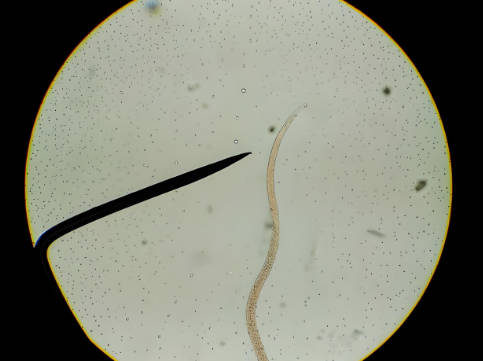
Product Samples Evaluated in the Safety Test of Disinfectant on Dogs and Cats
Our animal‑housing facility, inhalation‑exposure chambers, dermal‑application stations, histopathology suite and analytical‑chemistry laboratories accommodate a broad variety of disinfectant products and their active ingredients. The following categories represent the most frequently tested items:
- Ready‑to‑use spray disinfectants – pump‑spray and aerosol formulations for the deodorising and the sanitisation of the dog and cat bedding, the crates, the kennels and the hard surfaces in the veterinary clinics and the pet‑owner households
- Concentrated disinfectant solutions and wipes – the quaternary‑ammonium‑compound, the chlorine‑dioxide, the hydrogen‑peroxide, the citric‑acid‑based and the botanical‑extract formulations that are diluted before the use or are impregnated into the disposable wipes
- Pet‑shampoos and the medicated wash formulations – the antiseptic and the anti‑fungal shampoos containing the chlorhexidine, the miconazole, the ketoconazole or the benzoyl‑peroxide, which remain in the direct contact with the skin and the coat of the dog or the cat
- Odour‑neutralising and the stain‑removing enzymatic cleaners – the bacteria‑and‑enzyme‑based products that break down the urine, the faeces and the vomit residues, evaluated for the potential of the microbial by‑products to cause the skin or the respiratory sensitisation
- Disinfectant foot‑baths and the paw‑dip solutions – the formulations applied to the paws of the dogs before the entry into the breeding‑kennel or the show‑ring, tested for the repeated‑dose dermal toxicity and the paw‑pad‑irritation potential
- Air‑space and the fogging disinfectants – the electrostatically‑sprayed or the thermal‑fogging products used to decontaminate the animal‑housing rooms, evaluated for the acute‑inhalation toxicity and the respiratory‑tract irritation in the whole‑body exposure models
Safety Test of Disinfectant on Dogs and Cats – Dermal and Mucous Membrane Irritation
- Acute dermal irritation and corrosion testing according to OECD Test Guideline 404 (Acute Dermal Irritation/Corrosion) and the analogous VICH GL 16 (Skin Irritation/Corrosion): the test article is applied to the intact and the abraded skin of the New Zealand White rabbits under a semi‑occlusive dressing for a defined exposure period – typically 4 hours. The degree of the erythema and the oedema is scored at the 1‑, 24‑, 48‑ and 72‑hour time‑points, and the Primary Irritation Index is calculated, classifying the disinfectant as a non‑irritant, a mild irritant, a moderate irritant or a corrosive. This safety test of disinfectant on dogs and cats directly predicts the risk of the skin‑rash, the contact‑dermatitis and the chemical‑burn that could occur when the treated surface contacts the animal's abdomen, the paw‑pads or the thinly‑haired inguinal region.
- In‑vitro skin irritation testing using the reconstructed human epidermis model according to OECD TG 439 (In Vitro Skin Irritation – Reconstructed Human Epidermis Test Method): for the formulations that are predicted to be non‑corrosive, the EpiDerm™ or the SkinEthic™ tissue is exposed to the disinfectant, and the cell viability after the exposure and the post‑incubation is measured by the MTT reduction assay. The viability threshold of 50 % distinguishes the irritant from the non‑irritant materials, providing the animal‑free, regulatory‑accepted alternative that is increasingly required for the cosmetic‑type pet‑care products.
- Mucous‑membrane irritation testing by the oral‑mucosa and the vaginal‑mucosa application in the rabbit according to the adapted OECD TG 404 and the internal protocols: the disinfectant is applied to the oral‑buccal or the vaginal mucosa of the rabbit, and the erythema, the oedema and the epithelial‑sloughing are scored, simulating the accidental licking of the wet‑floor or the paw‑dip residue and the exposure of the peri‑anal or the vulvar skin of the dog or the cat.
Safety Test of Disinfectant on Dogs and Cats – Ocular Irritation and Corrosion Assessment
- Acute eye irritation and corrosion testing according to OECD TG 405 (Acute Eye Irritation/Corrosion) and the VICH GL 17 (Eye Irritation/Corrosion): a single dose of the test disinfectant is instilled into the conjunctival sac of the rabbit, and the cornea, the iris and the conjunctiva are evaluated for the opacity, the iritis, the chemosis and the discharge at the 1‑, 24‑, 48‑ and 72‑hour time‑points. The Modified Maximum Average Score is calculated, and the test article is classified according to the Globally Harmonized System as a Category 1 (serious eye damage), Category 2A or 2B (irritating to eyes), or a non‑irritant. This safety test of disinfectant on dogs and cats addresses the realistic scenario where the spray‑mist or the splash of the kennel‑cleaner inadvertently contacts the eye of the animal, the veterinarian or the groomer.
- Bovine corneal opacity and permeability test according to OECD TG 437 (Bovine Corneal Opacity and Permeability Test Method for Identifying Ocular Corrosives and Severe Irritants): the isolated bovine cornea is mounted in a chamber, and the disinfectant is applied to the epithelial surface for a defined period. The opacity and the permeability to the sodium‑fluorescein dye are measured, providing the in‑vitro, animal‑free screen for the severe ocular corrosives and the severe irritants that would require the mandatory hazard labelling.
Safety Test of Disinfectant on Dogs and Cats – Acute Oral and Inhalation Toxicity
- Acute oral toxicity – the up‑and‑down procedure according to OECD TG 425 (Acute Oral Toxicity – Up‑and‑Down Procedure) and the VICH GL 52 (Acute Oral Toxicity): the disinfectant is administered by the oral gavage to the female Sprague‑Dawley rats at a sequential, single‑animal dosing, and the median lethal dose (LD50) and the 95 % confidence interval are estimated. The clinical signs, the body‑weight change and the gross‑necropsy findings are documented over the 14‑day observation period. This safety test of disinfectant on dogs and cats provides the critical hazard‑classification data for the product label and the safety‑data sheet, accounting for the oral‑grooming behaviour of the cat that can ingest the floor‑cleaner residue from its fur.
- Acute inhalation toxicity according to OECD TG 403 (Acute Inhalation Toxicity) and the VICH GL 39 (Acute Inhalation Toxicity): the rats are exposed to the aerosolised or the vapour‑phase disinfectant in a whole‑body inhalation chamber for a 4‑hour period, and the LC50 (the concentration lethal to 50 % of the animals) is determined. The respiratory‑rate depression, the nasal‑discharge and the histopathological changes in the nasal turbinates and the lung parenchyma are evaluated, addressing the risk of the fogging‑disinfectant to the confined dog or cat in a poorly ventilated room.
- Aspiration‑toxicity screening according to the OECD TG 126 (Aspiration Toxicity) and the internal protocols: the kinematic viscosity of the liquid disinfectant is measured, and if the viscosity falls below the threshold of 20.5 mm²/s at 40 °C, the product is evaluated for the potential to cause the chemical pneumonitis if the animal accidentally aspirates the liquid during the grooming or the vomiting, and the appropriate warning label is recommended.
Safety Test of Disinfectant on Dogs and Cats – Skin Sensitisation and Repeated‑Dose Toxicity
- Skin sensitisation testing by the local lymph node assay according to OECD TG 442B (Skin Sensitisation – Local Lymph Node Assay: BrdU‑ELISA or Flow Cytometry) and the VICH GL 53 (Skin Sensitisation): the test disinfectant is applied to the dorsum of the ear of the CBA/J mice for three consecutive days, and the proliferation of the lymphocytes in the auricular lymph node is measured by the bromodeoxyuridine incorporation or the flow‑cytometric enumeration. A Stimulation Index of ≥ 2.7 is indicative of a skin sensitiser, and the product is classified as a Category 1A or 1B skin sensitiser, which directly informs the precautionary statements regarding the allergic contact‑dermatitis in the dog or the cat and the owner.
- 28‑day repeated‑dose dermal toxicity study in the rat according to the OECD TG 410 (Repeated Dose Dermal Toxicity: 21/28‑day Study) and the VICH GL 37 (Repeated‑Dose Dermal Toxicity): the disinfectant is applied to the shaved dorsal skin of the rats daily for 28 consecutive days at three graded dose levels, and the systemic‑toxicity endpoints – the haematology, the clinical‑chemistry, the organ‑weight and the histopathology of the skin, the liver, the kidney and the spleen – are evaluated, providing the no‑observed‑adverse‑effect level that is used to derive the safe‑exposure margin for the repeated use of the product in the animal‑housing environment.
- Dermal‑penetration and the residue‑transfer study using the pig‑skin or the dog‑cadaver‑skin model according to the OECD TG 428 (Skin Absorption – In Vitro Method): the disinfectant is applied to the skin sample mounted in a Franz diffusion cell, and the concentration of the active ingredient that penetrates into the receptor fluid and that remains in the stratum‑corneum is measured by the HPLC or the LC‑MS/MS, providing the data that the risk‑assessor uses to estimate the systemic dose that a dog or a cat would receive after the contact with the treated floor or the bedding. This safety test of disinfectant on dogs and cats provides the direct link between the laboratory toxicity and the real‑world exposure scenario.
Global Acceptance of Reports from the Safety Test of Disinfectant on Dogs and Cats
All studies performed within our safety test of disinfectant on dogs and cats programme are executed under the fully accredited scope of our ISO/IEC 17025 quality management system. Each test report that carries the ILAC mark is therefore automatically recognised by regulatory authorities, notified bodies, customs offices and supply‑chain partners in all major economies. For manufacturers of pet‑safe disinfectants, veterinary‑product registrants, animal‑health‑product developers and consumer‑brand quality‑assurance teams anywhere in the world, the report constitutes legally robust, internationally accepted evidence that the dermal and the ocular irritation, the acute oral and the inhalation toxicity, the skin sensitisation and the repeated‑dose toxicity of the disinfectant have been determined in accordance with the applicable OECD, VICH, ISO, ASTM and customer‑specified methods. The documentation can be directly used to support the product registration with the European Chemicals Agency, the US Environmental Protection Agency or the national veterinary‑medicine authorities, the CE marking under the Biocidal Products Regulation, the issue of inspection certificates according to EN 10204 or equivalent national standards, and the resolution of commercial and technical disputes concerning the safety and the biocompatibility of any disinfectant intended for use around dogs and cats.