Retention Rate Experiment – Accredited Property Retention and Durability Evaluation for Global Markets
Our internationally accredited laboratory delivers a dedicated retention rate experiment service that enables manufacturers of polymers, coatings, textiles, electronic components, seals and industrial materials worldwide to quantify the ability of their products to preserve critical performance characteristics after exposure to thermal aging, weathering, chemical attack, mechanical fatigue or combined environmental stresses. Every test is performed within the rigorous framework of ISO/IEC 17025, and each report bearing the ILAC mark is unconditionally accepted by regulatory authorities, notified bodies and supply‑chain partners in all major economies. The retention rate experiment precisely measures the percentage of an initial property value – tensile strength, elongation, impact resistance, colour, gloss, dielectric strength, sealing force or any other specified parameter – that is maintained after a defined aging or exposure protocol, providing the fundamental data that design engineers, material specifiers and quality managers use to predict service life, set warranty periods and demonstrate compliance with the relevant ISO, ASTM, IEC, EN and customer‑specific standards.
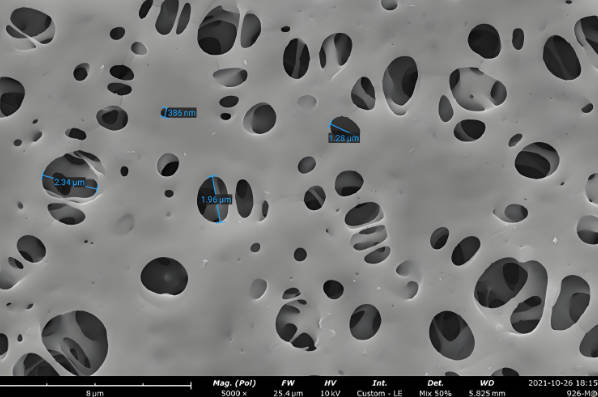
Product Samples We Regularly Subject to Retention Rate Experiments
The environmental chambers, ovens, weathering devices and mechanical test frames in our facility accommodate a vast range of materials and components. The following categories represent the items most frequently evaluated through our retention rate experiment programme:
- Polymers, plastics and elastomers – injection‑moulded parts, extruded profiles, films, sheets, O‑rings, seals, gaskets, hoses and cable jackets
- Coatings, paints and surface finishes – automotive basecoats and clearcoats, architectural coil‑coating finishes, powder coatings, marine paints and industrial protective coatings
- Textiles, fibres and nonwovens – outdoor upholstery fabrics, geotextiles, protective clothing, filter media and technical textiles
- Electronic and electrical insulating materials – printed circuit boards, conformal coatings, potting compounds, insulating tapes, capacitor films and connector housings
- Adhesives, sealants and bonding systems – structural epoxy and polyurethane adhesives, silicone sealants, pressure‑sensitive tapes and laminated joints
- Metals and surface‑treated components – anodised aluminium, conversion‑coated steel, electroplated parts and painted metal panels
- Composite materials and laminates – carbon‑fibre‑reinforced polymers, glass‑fibre‑reinforced plastics, sandwich panels and multi‑layer packaging films
- Medical devices and pharmaceutical packaging – sterilised plastic housings, elastomeric stoppers, pre‑filled syringes and barrier films
Retention Rate Experiment for Polymers and Plastics After Thermal and Oxidative Aging
- Determination of tensile strength and elongation retention after accelerated heat aging according to ISO 188 (Rubber, vulcanized or thermoplastic – Accelerated ageing and heat resistance tests) and ASTM D573: dumbbell specimens are exposed in a forced‑air oven at temperatures from +70 °C to +200 °C for 7, 14, 28 or 90 days. The tensile strength and elongation at break are measured before and after aging, and the percentage retention of each property is reported. This retention rate experiment provides the fundamental data that compounders and moulders use to select the correct antioxidant package and to estimate the service life of the material at the application temperature.
- Impact strength retention after thermal and hydrolytic aging of polycarbonate, polyamide and polyester according to ISO 179 and ASTM D256: notched Izod or Charpy impact specimens are conditioned in hot water or in a humid atmosphere at elevated temperature, and the retained impact strength is measured. The test identifies the embrittlement caused by the hydrolysis of the polymer chains, and the data are used to qualify the material for under‑bonnet, electrical and outdoor applications.
- Flexural modulus and creep‑modulus retention after long‑term thermal exposure of fibre‑reinforced composites: the specimen is aged in a circulating‑air oven at the maximum rated temperature, and the flexural modulus and the creep modulus are measured at intervals. The retention rate experiment determines the time to reach a defined loss of stiffness, and the data support the design of structural composite parts for aerospace, automotive and civil‑engineering applications.
- Retention of the melt‑flow index and the molecular weight after multiple extrusion or injection‑moulding cycles: the polymer is passed through the processing machine several times, and the melt‑flow index and the weight‑average molecular weight are measured after each cycle. The percentage retention of the original values indicates the thermal‑mechanical stability of the material during the recycling or the regrind use.
Retention Rate Experiment for Coatings, Paints and Surface Finishes After Weathering and Corrosion
- Colour and gloss retention after accelerated weathering according to ISO 16474‑2 (Paints and varnishes – Methods of exposure to laboratory light sources – Xenon‑arc lamps) and ASTM G155: coated panels are exposed to a xenon‑arc lamp with a daylight filter and a water‑spray cycle for 1 000 h, 2 000 h or 5 000 h. The CIELAB colour difference ΔE* and the percentage gloss retention at 20° and 60° are reported, quantifying the resistance of the coating to photo‑oxidative fading and chalking. This retention rate experiment is mandatory for the qualification of automotive exterior finishes, architectural paints and coil‑coating systems.
- Adhesion retention after cyclic corrosion and humidity exposure according to ISO 4624 (Pull‑off test for adhesion) and ISO 6270‑1 (Condensation humidity): the coating is scribed, exposed to a salt‑spray or a cyclic corrosion test, and the pull‑off adhesion strength is measured. The percentage retention of the initial adhesion and the width of the under‑film corrosion creep are reported, providing the data that the corrosion‑protection engineer uses to specify the coating system for bridges, offshore platforms and chemical plants.
- Flexibility and impact‑resistance retention after thermal cycling and UV exposure of coil‑coated metal sheets: the coated sheet is subjected to a sequence of rapid temperature changes between -20 °C and +80 °C followed by UV irradiation, and the bending‑crack resistance and the reverse‑impact strength are evaluated. The retention rate of these mechanical properties confirms that the coating will not crack or delaminate during the roll‑forming and the service of the building‑envelope panels.
- Electrical‑insulation resistance and dielectric strength retention of insulating varnishes and conformal coatings after damp‑heat aging: the coated circuit board or the insulating film is exposed to +85 °C and 85 % relative humidity for 1 000 h, and the insulation resistance and the dielectric breakdown voltage are measured before and after the test. This retention rate experiment verifies that the coating will continue to protect the electronics from leakage currents and short circuits in tropical and condensing environments.
Retention Rate Experiment for Textiles, Fibres and Nonwovens After Environmental and Mechanical Stresses
- Tensile and tear‑strength retention of geotextiles and outdoor fabrics after UV and hydrolysis aging according to EN 12224 (Weathering – Determination of the resistance to weathering) and ISO 4892‑2: the fabric is exposed to xenon‑arc radiation and water spray, and the tensile strength, the elongation and the trapezoidal‑tear strength are measured at intervals. The retained percentage of the initial mechanical properties is reported, supporting the specification of the geotextile for the design life of the landfill, the retaining wall or the erosion‑control system.
- Burst‑strength and puncture‑resistance retention of protective clothing and medical fabrics after repeated sterilisation or washing: the fabric is subjected to steam sterilisation at 134 °C, gamma irradiation or multiple industrial‑laundry cycles, and the burst strength and the puncture resistance are measured. The retention rate experiment determines the maximum number of reprocessing cycles that the garment can withstand before losing its protective barrier function.
- Water‑repellency and oil‑repellency retention after abrasion and laundering according to ISO 6330 (Domestic washing and drying procedures) and AATCC TM22: the treated fabric is washed and tumble‑dried a defined number of times, and the spray rating and the oil‑repellency grade are reassessed. The data are used to guarantee the durability of the durable‑water‑repellent finish on outdoor apparel, workwear and military uniforms.
- Colour‑fastness and strength retention of awnings, shade‑sails and marine‑canopy fabrics after natural and accelerated weathering: the colour change and the tensile‑strength retention are measured after exposure to a combination of UV radiation, salt spray and cyclic humidity. The experiment predicts the useful life of the fabric in the intense sunlight and the saline atmosphere of a coastal resort or a sailing yacht.
Retention Rate Experiment for Electrical, Thermal and Barrier Properties After Multi‑Factor Stress
- Retention of the dielectric strength and the volume resistivity of cable‑insulation and jacketing materials after long‑term thermal aging according to IEC 60216‑1 (Electrical insulating materials – Thermal endurance properties): the material is aged at three or more elevated temperatures, and the time to reach a 50 % reduction in the dielectric strength or the elongation at break is determined. The Arrhenius plot is constructed, and the temperature index and the halving interval at the service temperature are reported, providing the data that the cable manufacturer uses to assign the thermal class of the product.
- Oxygen‑barrier and water‑vapour‑transmission‑rate retention of packaging films and laminates after retort, hot‑fill or pasteurisation processes: the oxygen transmission rate and the water‑vapour transmission rate are measured before and after the thermal treatment, and the percentage retention of the barrier properties is reported. This retention rate experiment ensures that the sterilised food or pharmaceutical package will maintain the required shelf‑life.
- Thermal‑conductivity and compressive‑strength retention of rigid foam insulation after freeze‑thaw cycling and moisture saturation: the foam board is subjected to repeated freeze‑thaw cycles in a wet condition, and the thermal conductivity and the compressive stress at 10 % deformation are remeasured. The retention rates are used to confirm the long‑term thermal performance of the insulation in inverted‑roof, perimeter‑insulation and cold‑store applications.
- Sealing‑force and compression‑set retention of elastomeric seals and O‑rings after exposure to fuels, oils and coolants at elevated temperature: the seal is compressed to the design squeeze and immersed in the test fluid at the maximum service temperature for 1 000 h, and the residual sealing force and the compression set are measured. The retention rate experiment quantifies the long‑term sealing capability of the elastomer and supports the selection of the correct compound for the hydraulic, fuel or cooling circuit.
Retention Rate Experiment for Mechanical and Structural Properties After Fatigue and Load Cycling
- Residual tensile and flexural strength retention after cyclic fatigue loading of composite laminates and bonded joints according to ISO 13003 (Fatigue – Tension‑tension fatigue testing of fibre‑reinforced plastics) and ASTM D3166: the specimen is subjected to a specified number of load cycles at a defined stress ratio, and the residual static strength is measured and compared with the virgin strength. The retention rate is plotted against the number of cycles, and the fatigue‑damage accumulation rate is reported.
- Retention of the torque‑tension relationship and the proof load of bolted connections after vibration and thermal cycling: the fastener assembly is exposed to a Junker vibration test or to a thermal‑cycling sequence, and the residual clamp load, the friction coefficient and the ability to sustain the proof load without permanent deformation are measured. This retention rate experiment verifies that the bolted joint will not self‑loosen or lose its preload during the vehicle’s service life.
- Spring‑force and spring‑rate retention of helical, wave and disc springs after cyclic compression or torsional fatigue: the spring is cycled between two defined deflections for thousands or millions of cycles, and the free length, the spring rate and the load at a given deflection are remeasured. The percentage retention of the spring characteristics quantifies the relaxation and the fatigue resistance of the spring material.
Report Acceptance and Global Regulatory Compliance
All retention rate experiments described above are executed under the fully accredited scope of our ISO/IEC 17025 quality management system. Each test report that carries the ILAC mark is therefore automatically recognised by regulatory authorities, notified bodies, customs offices and supply‑chain partners in all major economies. For material producers, component manufacturers, coatings formulators and industrial designers anywhere in the world, the report constitutes legally robust, internationally accepted evidence that the property‑retention characteristics and the durability of the product have been determined in accordance with the applicable ISO, ASTM, IEC, EN and customer‑specified methods. The documentation can be directly used to support CE marking, the issue of inspection certificates according to EN 10204 or equivalent national standards, the compilation of technical files for type‑examination, and the resolution of commercial and technical disputes concerning the long‑term performance and the service life of any material or product.