Powder Coating Board Inspection Testing Service – Accredited Performance and Durability Evaluation for Global Markets
Our internationally accredited laboratory provides a specialist powder coating board inspection service that gives manufacturers of pre‑coated metal sheets, architectural cladding panels, domestic‑appliance cabinets, automotive components, furniture and industrial enclosures worldwide the independent, traceable data they need to verify the coating thickness, adhesion, mechanical integrity, colour and gloss consistency, corrosion resistance and weathering durability of their powder‑coated substrates. Every test is conducted under the rigorous framework of ISO/IEC 17025, and each report bearing the ILAC mark is unconditionally accepted by regulatory authorities, notified bodies and supply‑chain partners in all major economies. The powder coating board inspection programme subjects the coated panel to a complete suite of physical, mechanical, optical and environmental‑ageing evaluations, quantifying the cure state, the hardness and the flexibility, the resistance to impact and abrasion, the salt‑spray and the humidity resistance, and the colour stability and the gloss retention under the accelerated weathering. For a coil‑coater exporting pre‑painted aluminium to the construction market, an appliance manufacturer certifying a polyester or an epoxy‑polyester finish to the Qualicoat or the AAMA specification, or an importer verifying the batch‑to‑batch consistency of a powder‑coated sheet, this service delivers the legally robust, defensible data that underpin product certification, warranty validation and compliance with the relevant ASTM, ISO, EN and customer‑specified standards.
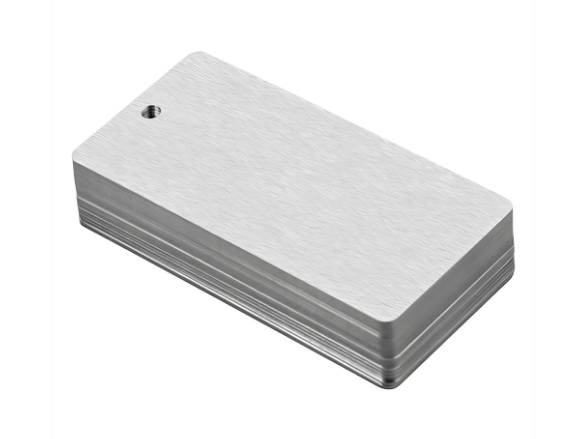
Product Samples We Regularly Subject to Powder Coating Board Inspection
The coating‑thickness gauges, adhesion‑testers, impact‑test rigs, gloss‑meters, spectrophotometers, salt‑spray chambers, humidity‑cabinets, xenon‑arc weatherometers and chemical‑immersion baths in our facility accommodate a vast variety of powder‑coated substrates and finished components. The following categories represent the most frequently tested items:
- Architectural powder‑coated aluminium and steel panels – the single‑sheet and the composite‑panel cladding, the curtain‑wall profiles, the window‑frames and the louvre‑blades that require the Qualicoat or the AAMA certification
- Domestic‑appliance and consumer‑electronics housings – the powder‑coated steel and the aluminium cabinets for the washing‑machines, the refrigerators, the ovens, the air‑conditioning outdoor units and the audio‑visual equipment
- Automotive and transport‑sector powder‑coated components – the under‑bonnet brackets, the seat‑frames, the wheel‑covers and the motorcycle‑frame parts that must withstand the stone‑chipping and the de‑icing‑salt exposure
- Powder‑coated furniture and shelving systems – the steel and the aluminium office‑furniture frames, the storage‑rack beams and the garden‑furniture that are evaluated for the scratch‑resistance and the ultraviolet‑stability
- Industrial‑equipment and electrical‑enclosure panels – the powder‑coated mild‑steel and the stainless‑steel cabinets for the switchgear, the machinery‑guards and the outdoor‑telecommunication cabinets
- Laboratory‑prepared and production‑line test coupons – the flat and the curved coupons that are coated alongside the production run and are submitted for the quality‑control and the process‑validation purposes
Coating Thickness, Cure and Mechanical Performance – Powder Coating Board Inspection According to ISO 2808, ASTM D3359 and ASTM D2794
- Measurement of the dry‑film thickness by the magnetic‑induction and the eddy‑current methods according to ISO 2808 (Paints and varnishes – Determination of film thickness) and ASTM D7091: the coating thickness is measured at multiple points on the powder‑coated board, and the minimum, the maximum and the average values are reported in micrometres. This powder coating board inspection verifies that the applied film thickness meets the specification of the powder supplier – typically 60 µm to 120 µm for the decorative and the protective finishes – and that it is uniform enough to provide the full coverage and the colour consistency.
- Cross‑cut and the tape‑adhesion test according to ISO 2409 (Paints and varnishes – Cross‑cut test) and ASTM D3359: a lattice pattern of six or eleven cuts is scribed through the powder coating to the metal substrate, a standardised pressure‑sensitive tape is applied and rapidly removed, and the area of the detached coating is rated against the reference chart. The adhesion class – from 0 (perfect) to 5 (severe failure) – is reported, and the test is repeated after the water‑immersion and the boiling‑water exposure to detect any latent adhesion weakness.
- Pull‑off adhesion strength according to ISO 4624 (Paints and varnishes – Pull‑off test for adhesion) and ASTM D4541: a dolly is glued to the powder‑coated surface, and a tensile force is applied perpendicular to the panel until detachment occurs. The pull‑off strength in megapascals and the fracture‑surface analysis – the cohesive within the coating, the adhesive at the substrate or the mixed‑mode – are reported, providing the quantitative bond‑strength data that the structural‑engineer uses to guarantee the long‑term durability of the architectural cladding.
- Resistance to the rapid deformation and the impact by the falling‑weight and the cupping test according to ASTM D2794 (Standard Test Method for Resistance of Organic Coatings to the Effects of Rapid Deformation – Impact) and ISO 1520 (Paints and varnishes – Cupping test): a weighted indenter is dropped onto the coated side or the reverse side of the panel, and the maximum energy that does not cause the cracking or the delamination is reported, simulating the accidental stone‑impact and the fabrication‑bending stresses.
- Pencil hardness and the scratch resistance according to ASTM D3363 (Standard Test Method for Film Hardness by Pencil Test) and ISO 1518 (Paints and varnishes – Determination of scratch resistance): the hardest pencil grade that does not gouge or scratch the coating is determined, and the stylus‑scratch resistance is measured, providing the data that the furniture and the appliance manufacturers use to specify the correct powder formulation for the high‑traffic and the heavy‑wear surfaces.
- Bend and the flexibility test – the mandrel‑bend and the T‑bend methods according to ASTM D522 (Standard Test Methods for Mandrel Bend Test of Attached Organic Coatings) and ISO 1519: the coated panel is bent over a cylindrical mandrel of a decreasing radius, and the minimum diameter that does not cause the cracking or the adhesion loss is reported, certifying the post‑forming capability of the powder‑coated sheet for the roll‑forming and the press‑brake operations.
Corrosion Resistance and Environmental Durability – Powder Coating Board Inspection According to ISO 9227, ASTM B117 and ISO 6270‑2
- Resistance to the neutral salt‑spray exposure according to ISO 9227 (Corrosion tests in artificial atmospheres – Salt spray tests) and ASTM B117: the powder‑coated panel is scribed to the substrate and exposed to a continuous neutral‑salt fog at 35 °C for a specified period – typically 500 h, 1 000 h or 1 500 h. The width of the under‑film corrosion creep from the scribe, the blistering density and the size, and the rust‑spot formation are evaluated and rated according to ISO 4628, providing the accelerated‑corrosion performance classification that is required by the Qualicoat, the GSB and the AAMA specifications. This powder coating board inspection is the primary durability test for the outdoor‑exposed architectural and the automotive components.
- Condensing‑humidity and the continuous‑condensation resistance according to ISO 6270‑2 (Paints and varnishes – Determination of resistance to humidity – Part 2: Condensation – in‑chamber method) and ASTM D4585: the coated panel is placed as the lid of a condensing‑humidity chamber, and the development of the blistering, the loss of the adhesion and the colour change are assessed after 500 h or 1 000 h of the exposure, simulating the prolonged damp‑storage and the tropical‑service conditions.
- Cyclic‑corrosion and the filiform‑corrosion resistance according to ASTM G85 (Standard Practice for Modified Salt Spray – Fog Testing) and EN 3665 (Aerospace series – Test methods for paints and varnishes – Filiform corrosion resistance test): the panel is subjected to a programmed sequence of the salt‑spray, the humidity and the drying, and the length and the density of the filiform‑corrosion filaments that propagate from the scribe are measured, providing the data that the automotive‑industry specifiers use to qualify the powder‑coated aluminium and the steel body‑panels.
- Resistance to the chemical agents – the acid, the alkali, the solvent and the detergent spot‑tests according to ISO 2812‑1 (Paints and varnishes – Determination of resistance to liquids – Part 1: General methods) and ASTM D1308: drops of the standardised reagents are placed on the powder coating under a watch‑glass, and any softening, the blistering, the discolouration and the loss of the gloss are evaluated after the specified contact time, ensuring the compatibility of the finish with the common cleaning products and the industrial fluids.
- Outdoor‑exposure and the natural‑weathering correlation with the accelerated tests: the powder‑coated panels are exposed on the outdoor racks at the benchmark subtropical, the desert and the temperate sites, and the gloss and the colour retention are monitored over several years, providing the direct correlation between the laboratory‑accelerated and the real‑world performance that the manufacturer uses to set the warranty period.
Optical, Colour and Appearance – Powder Coating Board Inspection According to ISO 2813, ASTM D523 and ISO 7724
- Measurement of the specular gloss at 20°, 60° and 85° according to ISO 2813 (Paints and varnishes – Determination of gloss value at 20°, 60° and 85°) and ASTM D523: the gloss meter is placed on the powder‑coated surface, and the gloss value in gloss units is reported for the three angles, providing the data that the quality‑assurance team uses to verify the consistency of the finish and to detect any over‑cure, the under‑cure or the orange‑peel effect. This powder coating board inspection is a mandatory batch‑release test for every production run of the architectural and the appliance coatings.
- Colour measurement and the colour‑difference evaluation according to ISO 7724‑3 (Paints and varnishes – Colorimetry – Part 3: Calculation of colour differences) and ASTM D2244: the CIELAB colour coordinates L*, a* and b* are measured by a spectrophotometer, and the total colour difference ΔE* relative to the master standard or the approved colour‑chip is calculated. The result must be within the agreed tolerance – typically ΔE * < 1.0 for the premium architectural finishes – to guarantee the colour harmony across the different batches and the building‑elevation panels.
- Distinctness‑of‑image and the orange‑peel rating by the wave‑scan or the visual‑comparison methods according to the internal procedures: the reflected‑image clarity and the surface‑texture waviness are assessed, and the orange‑peel rating is reported, providing the aesthetic‑quality data that the architect uses to approve the powder‑coated panels for the visible façade areas.
- Accelerated weathering and the colour‑fastness to the artificial light according to ISO 16474‑2 (Paints and varnishes – Methods of exposure to laboratory light sources – Part 2: Xenon‑arc lamps) and ASTM G155: the panel is exposed to a filtered xenon‑arc source that simulates the solar radiation, combined with a water‑spray cycle, and the change in the colour ΔE* and the gloss retention are measured at the specified radiant‑exposure intervals, predicting the outdoor colour‑fading and the chalking behaviour of the powder coating over the 10‑, 20‑ or 30‑year design life.
- Heat‑resistance and the resistance to the yellowing at the elevated temperatures according to the internal procedures: the coated panel is heated in an oven at a specified temperature – typically 150 °C, 180 °C or 200 °C – and the colour change and the loss of the gloss are measured, ensuring the suitability of the powder coating for the high‑temperature applications such as the oven‑cavities, the exhaust‑system covers and the radiator‑grilles.
Chemical, Hygienic and Special‑Service Properties – Powder Coating Board Inspection According to ISO 2812, EN 13523 and the Internal Protocols
- Resistance to the staining and the chemical‑spot contamination according to EN 13523‑11 (Coil coated metals – Test methods – Part 11: Resistance to solvents – Rubbing test) and the internal procedures: the coated surface is exposed to the mustard, the ketchup, the lipstick, the permanent‑marker and the other common household stains, and the ease of the removal and the residual staining are evaluated, supporting the certification of the powder‑coated domestic‑appliance panels for the kitchen and the bathroom use.
- Measurement of the volatile‑organic‑compound emissions and the indoor‑air‑quality compliance according to ISO 16000‑6 (Indoor air – Determination of volatile organic compounds in indoor and test chamber air) and the French VOC‑labelling regulation: the powder‑coated board is placed in a controlled‑emission chamber, and the concentration of the individual volatile organic compounds after 3 days and 28 days is measured by the GC‑MS, providing the data for the LEED v4 and the BREEAM credit and for the CE marking of the construction product.
- Resistance to the micro‑organism growth and the anti‑bacterial efficacy according to ISO 22196 (Measurement of antibacterial activity on plastics and other non‑porous surfaces) and the internal procedures: the powder‑coated surface is inoculated with the Escherichia coli and the Staphylococcus aureus, and the reduction in the colony‑forming units is reported, certifying the hygienic properties of the finish for the hospital, the food‑processing and the pharmaceutical‑cleanroom applications.
Report Acceptance and Global Regulatory Compliance
All measurements performed within our powder coating board inspection programme are executed under the fully accredited scope of our ISO/IEC 17025 quality management system. Each test report that carries the ILAC mark is therefore automatically recognised by regulatory authorities, notified bodies, customs offices and supply‑chain partners in all major economies. For coil‑coaters, powder‑coating applicators, architectural‑cladding manufacturers, appliance‑producers and automotive‑component suppliers anywhere in the world, the report constitutes legally robust, internationally accepted evidence that the coating thickness, the adhesion, the mechanical and the corrosion resistance, the colour and the gloss, the weathering durability and the indoor‑air‑quality compliance of the powder‑coated board have been determined in accordance with the applicable ASTM, ISO, EN and customer‑specified methods. The documentation can be directly used to support CE marking under the Construction Products Regulation, the Qualicoat and the AAMA certification, the issue of inspection certificates according to EN 10204 or equivalent national standards, the compilation of the technical file for the type‑examination, and the resolution of commercial and technical disputes concerning the quality and the long‑term performance of any powder‑coated metal panel.