Polypropylene Fiber Cloth Testing Service – Accredited Mechanical, Physical and Durability Evaluation for Global Markets
Our internationally accredited laboratory provides a specialist polypropylene fiber cloth testing service that supports manufacturers of woven and nonwoven polypropylene fabrics, geotextile producers, filter‑media converters, packaging suppliers, protective‑clothing brands and industrial‑textile exporters worldwide with the independent, traceable data they need to verify the tensile strength, tear resistance, dimensional stability, chemical durability, thermal behaviour and functional performance of their polypropylene‑based textile materials. Every measurement is performed under the rigorous framework of ISO/IEC 17025, and each report bearing the ILAC mark is unconditionally accepted by regulatory authorities, notified bodies and supply‑chain partners in all major economies. The polypropylene fiber cloth testing programme subjects the fabric to a comprehensive suite of physical, mechanical, thermal, optical and environmental‑ageing evaluations, quantifying the breaking force and elongation, the trapezoidal tear strength, the puncture and burst resistance, the basis weight and thickness, the air permeability and pore size, the melting point and thermal shrinkage, and the resistance to UV radiation, acid and alkali exposure. For a geotextile manufacturer certifying a nonwoven PP filter fabric for a drainage project, a converter exporting polypropylene spunbond for medical gowns, or a brand verifying the colour fastness of a woven PP upholstery, this service delivers the legally robust, defensible data that underpin product certification, warranty validation and compliance with the relevant ASTM, ISO, EN and customer‑specified standards.
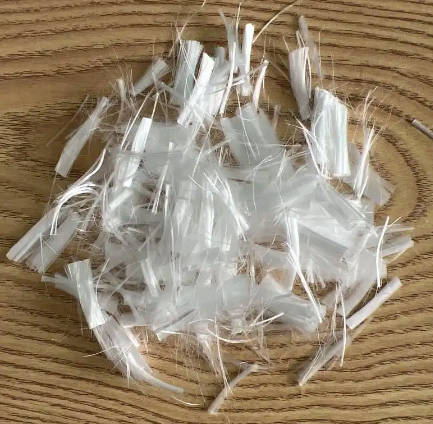
Product Samples We Regularly Subject to Polypropylene Fiber Cloth Testing
Our universal tensile testers, Elmendorf tear testers, hydrostatic‑pressure testers, spectrophotometers, environmental‑ageing chambers and differential scanning calorimeters accommodate a broad variety of polypropylene fabric constructions and finishes. The following categories represent the most frequently tested items:
- Spunbond polypropylene nonwoven fabrics – lightweight, thermally bonded sheets used for hygiene products, medical gowns and drapes, disposable protective apparel, agricultural row covers and packaging
- Meltblown polypropylene nonwoven fabrics – fine‑fibre, high‑filtration‑efficiency media for face masks, respirators, air‑conditioning filters and oil‑sorbent materials
- Needle‑punched polypropylene nonwoven geotextiles – heavy‑duty fabrics for separation, filtration, drainage, erosion control and road‑base stabilisation
- Woven polypropylene fabrics – tape and multifilament woven cloths for bulk bags, tarpaulins, sandbags, carpet backing, furniture webbing and geotextile reinforcement
- Polypropylene filter cloths – woven and nonwoven media for liquid and air filtration in the chemical, food‑and‑beverage, pharmaceutical and mining industries
- Coated and laminated polypropylene fabrics – PP fabrics with a polyethylene, polypropylene or hot‑melt adhesive coating for waterproofing, packaging and automotive interior applications
- UV‑stabilised and flame‑retardant polypropylene fabrics – outdoor‑rated and fire‑safe grades for awnings, shading nets, contract upholstery and military applications
- Aged and field‑retrieved polypropylene cloth samples – specimens that have been in service or have been subjected to accelerated ageing, submitted for the residual‑property assessment and the failure‑mode analysis
Mechanical Properties – Polypropylene Fiber Cloth Testing According to ASTM D5034, ISO 13934‑1 and ASTM D4533
- Determination of the tensile strength and the elongation at break by the grab and the strip methods according to ASTM D5034 (Standard Test Method for Breaking Strength and Elongation of Textile Fabrics – Grab Test) and ISO 13934‑1 (Textiles – Tensile properties of fabrics – Determination of maximum force and elongation at maximum force using the strip method): a specimen of the polypropylene fabric is clamped in a constant‑rate‑of‑extension tensile tester and pulled until rupture. The breaking force in newtons, the elongation at break as a percentage and the stress‑strain curve are reported for both the machine direction and the cross direction. This polypropylene fiber cloth testing provides the fundamental mechanical data that the product developer uses to guarantee the load‑bearing capacity of the geotextile, the tear‑resistance of the packaging and the seam‑strength of the finished article.
- Trapezoidal and Elmendorf tear resistance according to ASTM D4533 (Standard Test Method for Trapezoid Tearing Strength of Geotextiles) and ASTM D1424 (Standard Test Method for Tearing Strength of Fabrics by Falling‑Pendulum Type – Elmendorf Apparatus): a pre‑cut notch is propagated through the fabric under the controlled loading, and the force required to continue the tear is recorded, providing the data that the engineer uses to ensure that a localised puncture or a cut does not propagate into a catastrophic rupture.
- Puncture and the Mullen burst resistance according to ASTM D6241 (Standard Test Method for Static Puncture Strength of Geotextiles and Geotextile‑Related Products Using a 50‑mm Probe) and ASTM D3786 (Standard Test Method for Bursting Strength of Textile Fabrics – Diaphragm Bursting Strength Tester Method): a flat‑tipped probe is driven through the polypropylene cloth or a diaphragm expands against it, and the maximum force or the pressure at the failure is reported, simulating the out‑of‑plane loads from the aggregate placement or the hydraulic pressure.
- Seam and joint strength of the sewn, welded or glued polypropylene fabric assemblies: a specimen that contains a seam is pulled in the tension or the shear, and the seam efficiency – the ratio of the joint strength to the parent‑fabric strength – is calculated, ensuring that the fabrication method meets the design specification for the geotextile installation, the filter‑bag fabrication and the protective‑garment assembly.
- Cyclic‑fatigue and the creep‑rupture behaviour of the polypropylene geotextile under the sustained and the repeated loads: a constant or a cyclic tensile load is applied to the fabric for up to 1 000 hours, and the time‑dependent elongation and the time to the failure are recorded, providing the data for the long‑term design of the reinforced‑soil structures and the landfill liners.
Physical Properties and Dimensional Stability – Polypropylene Fiber Cloth Testing According to ASTM D3776, ASTM D737 and ISO 9073‑2
- Measurement of the mass per unit area, the thickness and the density according to ASTM D3776 (Standard Test Methods for Mass Per Unit Area – Weight – of Fabric) and ISO 9073‑2 (Textiles – Test methods for nonwovens – Part 2: Determination of thickness): the basis weight in grams per square metre, the thickness in millimetres under a specified pressure, and the apparent density are reported, providing the fundamental process‑control parameters for the fabric production and the conversion.
- Air permeability and the Gurley‑stiffness measurement according to ASTM D737 (Standard Test Method for Air Permeability of Textile Fabrics) and the internal procedures: the rate of the airflow through the polypropylene cloth under a defined pressure differential is measured, providing the data that the filter‑media designer uses to predict the pressure drop and the energy consumption of the air‑handling system. This polypropylene fiber cloth testing also quantifies the stiffness that affects the fabric handleability during the automated cutting and the sewing.
- Water‑vapour transmission and the hydrostatic‑pressure resistance according to ASTM E96 (Standard Test Methods for Water Vapor Transmission of Materials) and ASTM D751 (Standard Test Methods for Coated Fabrics): the breathability and the waterproofing of the polypropylene fabric, especially the coated and the laminated grades, are measured, supporting the product development of the protective apparel and the roofing underlayments.
- Dimensional stability and the thermal shrinkage according to ASTM D2259 (Standard Test Method for Shrinkage of Yarns) and the internal procedures: a marked specimen of the polypropylene fabric is exposed to a hot‑air oven at a specified temperature – typically 90 °C, 120 °C or 150 °C – and the percentage change in the length and the width is reported, ensuring that the fabric will not shrink excessively during the heat‑setting, the lamination or the end‑use exposure.
- Fabric porosity, the pore‑size distribution and the apparent opening size by the capillary‑flow porometry and the dry‑sieving methods according to ASTM D6767 (Standard Test Method for Pore Size Characteristics of Geotextiles by Capillary Flow Test) and ASTM D4751 (Standard Test Method for Determining Apparent Opening Size of a Geotextile): the filtration‑relevant pore characteristics are quantified, providing the data that the civil engineer uses to design the geotextile filter for the specific soil‑retention and the permeability criteria.
Thermal, Chemical and Environmental Resistance – Polypropylene Fiber Cloth Testing According to ASTM D3895, ISO 11357 and ASTM G154
- Determination of the melting point and the crystallinity by the differential scanning calorimetry according to ISO 11357‑3 (Plastics – Differential scanning calorimetry – Part 3: Determination of temperature and enthalpy of melting and crystallization) and ASTM D3418: a small sample of the polypropylene fabric is heated at a controlled rate, and the melting‑peak temperature and the enthalpy of fusion are reported, verifying the polymer type and the consistency of the raw material.
- Oxidative‑induction time and the thermal‑oxidative stability according to ASTM D3895 (Standard Test Method for Oxidative‑Induction Time of Polyolefins by Differential Scanning Calorimetry) and ISO 11357‑6: the fabric specimen is heated in an oxygen atmosphere, and the time to the onset of the exothermic oxidation reaction is recorded, providing the data that the compounder uses to guarantee the adequacy of the antioxidant package for the high‑temperature processing and the long‑term service. This polypropylene fiber cloth testing is a routine quality‑control check for every production batch.
- Resistance to the accelerated weathering and the UV radiation according to ASTM G154 (Standard Practice for Operating Fluorescent Ultraviolet Lamp Apparatus for Exposure of Non‑Metallic Materials) and ISO 4892‑2: the fabric is exposed to a cycle of the UV‑A or the UV‑B radiation, the heat and the condensation, and the retained tensile strength, the elongation and the colour change are measured, predicting the outdoor‑storage and the exposed‑service life of the polypropylene geotextile, the shading‑net and the outdoor‑furniture fabric.
- Resistance to the chemical reagents – the acids, the alkalis, the solvents and the oxidising agents according to ISO 175 (Plastics – Methods of test for the determination of the effects of immersion in liquid chemicals, adapted for the textile structures) and the internal procedures: the polypropylene cloth is immersed in the test liquid at the elevated temperature for a defined period, and the change in the mass, the dimensions and the tensile properties is reported, certifying the compatibility of the fabric with the chemical‑plant, the landfill‑leachate and the industrial‑effluent environments.
- Resistance to the microbiological degradation and the soil‑burial test: the fabric is buried in a biologically active soil or is inoculated with the specific fungi and bacteria, and the loss of the tensile strength and the visual degradation are evaluated, supporting the performance claims for the long‑term civil‑engineering and the agricultural applications.
Specialised Functional Performance – Polypropylene Fiber Cloth Testing for Filtration, Protection and Comfort
- Particle‑filtration efficiency and the breathing resistance for the face‑mask and the respirator applications according to ASTM F2299 (Standard Test Method for Determining the Initial Efficiency of Materials Used in Medical Face Masks to Penetration by Particulates Using Latex Spheres) and EN 13274‑3 (Respiratory protective devices – Methods of test – Part 3: Determination of breathing resistance): the meltblown or the spunbond polypropylene fabric is challenged with a latex‑sphere or a sodium‑chloride aerosol, and the penetration and the pressure drop are measured, providing the data that the mask manufacturer uses to claim the BFE, the PFE and the breathing‑comfort ratings.
- Flame retardancy and the limited‑oxygen‑index measurement according to ISO 4589‑2 (Plastics – Determination of burning behaviour by oxygen index – Part 2: Ambient‑temperature test) and the 16 CFR Part 1610 (Standard for the Flammability of Clothing Textiles): the fabric is tested for the flame‑spread rate, the after‑flame time and the oxygen index, and the product is classified into the appropriate flammability class for the apparel, the upholstery and the protective‑clothing markets.
- Colour fastness to the washing, the light and the rubbing according to ISO 105‑C06 (Textiles – Tests for colour fastness – Part C06: Colour fastness to domestic and commercial laundering), ISO 105‑B02 (Colour fastness to artificial light: Xenon arc fading lamp test) and ISO 105‑X12 (Colour fastness to rubbing): the dyed or the pigmented polypropylene fabric is evaluated for the colour retention and the staining, ensuring the aesthetic durability of the product throughout its service life.
- Antistatic and the surface‑resistivity measurement according to ASTM D257 (Standard Test Methods for DC Resistance or Conductance of Insulating Materials) and the IEC 61340‑2‑3: the surface resistivity and the static‑decay time of the polypropylene fabric are measured, providing the data for the qualification of the material in the electrostatic‑discharge protected areas and the explosion‑risk environments.
Report Acceptance and Global Regulatory Compliance
All measurements performed within our polypropylene fiber cloth testing service are executed under the fully accredited scope of our ISO/IEC 17025 quality management system. Each test report that carries the ILAC mark is therefore automatically recognised by regulatory authorities, notified bodies, customs offices and supply‑chain partners in all major economies. For polypropylene fabric manufacturers, geotextile and filter‑media converters, protective‑clothing and packaging suppliers, and industrial‑textile importers anywhere in the world, the report constitutes legally robust, internationally accepted evidence that the mechanical strength, the physical properties, the thermal and the chemical resistance, the UV stability and the specialised functional performance of the polypropylene fiber cloth have been determined in accordance with the applicable ASTM, ISO, EN and customer‑specified methods. The documentation can be directly used to support CE marking under the Construction Products Regulation or the Personal Protective Equipment Regulation, the issue of inspection certificates according to EN 10204 or equivalent national standards, the compilation of the technical file for the type‑examination, and the resolution of commercial and technical disputes concerning the quality and the long‑term performance of any polypropylene‑based textile material.