Polyethylene Glycol Testing Service for Global Pharmaceutical and Industrial Markets
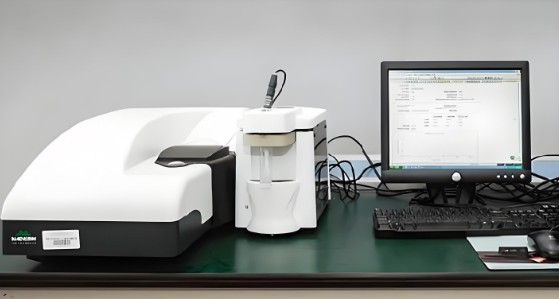
As an ISO/IEC 17025 accredited laboratory, we deliver a comprehensive polyethylene glycol testing service that verifies chemical purity, molecular weight distribution, thermal behavior, rheological performance, and regulatory compliance. Our polyethylene glycol testing service supports manufacturers and exporters of PEG products used in pharmaceuticals, cosmetics, food additives, chemical intermediates, and industrial lubricants who must demonstrate conformity to USP, Ph. Eur., ASTM, ISO, and regional chemical and pharmaceutical standards across the European Union, North America, the Middle East, and Asia. Every test is performed under our CNAS-accredited quality system, producing reports accepted by notified bodies, pharmaceutical authorities, and procurement teams worldwide.

Product Samples We Regularly Test in Our Polyethylene Glycol Testing Service
- Polyethylene glycol solid powders and flakes — PEG 1000, PEG 1500, PEG 3350, PEG 4000, PEG 6000, and PEG 8000 for pharmaceutical and industrial use
- Polyethylene glycol liquid grades — PEG 200, PEG 300, PEG 400, and PEG 600 for solvents, humectants, and chemical synthesis
- PEG-based pharmaceutical excipients — for tablet binders, ointment bases, suppositories, and laxative formulations
- Food-grade and cosmetic-grade polyethylene glycols — for food additives, toothpaste, skin creams, and personal care products
- PEG derivatives and functionalized PEG products — PEG esters, PEG ethers, and PEG-modified biopolymers for specialty applications
- Polyethylene glycol solutions and aqueous blends — for hydraulic fluids, heat transfer media, and industrial processing
- Recycled and repurified polyethylene glycol materials — for quality re-verification and secondary use qualification
Chemical Composition and Purity Analysis in Our Polyethylene Glycol Testing Service
- Hydroxyl value and average molecular weight determination per USP <401> and ISO 4326 — the hydroxyl number is measured by acetylation or phthalation titration, and the average molecular weight is calculated to confirm the PEG grade and to verify that the product meets the specification for the intended pharmaceutical or industrial application.
- Ethylene oxide and 1,4-dioxane residual content per USP <228> and ISO 10993-7 — gas chromatography with headspace sampling quantifies the residual ethylene oxide monomer and the toxic by-product 1,4-dioxane, ensuring the polyethylene glycol meets the strict safety limits for pharmaceutical, food, and cosmetic use.
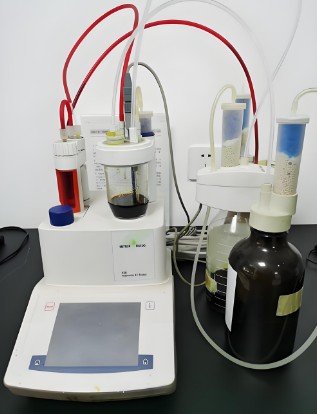
- Water content by Karl Fischer titration per USP <921> and ASTM D6869 — the moisture level in solid and liquid polyethylene glycol samples is precisely measured to verify the product meets the specified dryness or water content requirement for formulation stability and process control.
- Heavy metals and trace element screening per USP <231> and ICP-OES per ASTM E3061 — the content of lead, cadmium, mercury, arsenic, and other toxic metals is quantified to ensure the polyethylene glycol meets pharmacopoeial limits and regional chemical safety regulations.
- Purity and impurity profiling by gas chromatography and liquid chromatography per USP <401> and internal methods — the main PEG oligomer distribution and any low-molecular-weight impurities, aldehydes, or organic contaminants are separated and quantified to confirm the product's purity and batch-to-batch consistency.
- pH value and acidity or alkalinity per USP <791> and ISO 787-9 — the pH of an aqueous polyethylene glycol solution is measured to verify it falls within the specified range, preventing compatibility issues in pharmaceutical and cosmetic formulations.
Physical and Rheological Performance Testing for Polyethylene Glycol
- Viscosity of liquid PEG grades and aqueous solutions per USP <911> and ASTM D445 — the dynamic or kinematic viscosity is measured at defined temperatures using calibrated viscometers, providing the data required for product formulation, pumping, and end-use processing of polyethylene glycol.
- Melting range and congealing point per USP <741> and ASTM D87 — the melting range of solid polyethylene glycol grades and the congealing point of liquid grades are determined to verify the product's thermal specification and to ensure consistency in suppository, ointment, and hot-melt applications.
- Density and specific gravity per ASTM D4052 and ISO 2811 — the mass per unit volume is measured for liquid and solid polyethylene glycol products to verify the declared density and to support weight-to-volume conversions in pharmaceutical compounding and industrial batching.
- Refractive index per ISO 489 and ASTM D1218 — the refractive index of liquid PEG grades is measured to provide a rapid identity and purity check for pharmaceutical and cosmetic applications.
- Color and clarity of liquid PEG per ASTM D1209 and ISO 2211 — the color of the polyethylene glycol liquid is compared against platinum-cobalt standards to ensure the product meets the specified visual appearance for high-purity pharmaceutical and food-grade use.
- Cloud point and solubility behavior per internal and customer protocols — the temperature at which aqueous polyethylene glycol solutions become cloudy is recorded to characterize the solubility and compatibility of the product in water and in mixed solvent systems.
Thermal and Stability Testing Within Our Polyethylene Glycol Testing Service
- Differential scanning calorimetry for melting point and crystallinity per ASTM D3418 and ISO 11357-3 — the thermal transitions of the polyethylene glycol sample are measured to verify the polymer grade and to detect any contamination or degradation that would affect its melting behavior and formulation performance.
- Thermogravimetric analysis for thermal stability and volatile content per ASTM E1131 — the mass loss profile is recorded up to 600 °C to quantify the moisture, low-molecular-weight fractions, and the onset temperature of thermal decomposition, ensuring the polyethylene glycol is thermally stable at the intended processing and service temperatures.
- Oxidative stability and resistance to degradation per ASTM D3895 and internal protocols — the polyethylene glycol is exposed to oxygen or air at elevated temperatures and the oxidation induction time is measured to predict the product's shelf life and its resistance to oxidative chain scission during storage and use.
- Long-term thermal aging and shelf-life prediction per ASTM F1980 — the PEG sample is aged at elevated temperatures and the change in color, viscosity, and molecular weight is monitored to predict the recommended storage conditions and expiration date for pharmaceutical and food applications.
- Compatibility with packaging materials and containers per USP <661> and customer protocols — the polyethylene glycol is stored in contact with representative packaging materials at accelerated conditions to verify no interaction, leaching, or container degradation occurs during the product's shelf life.
Pharmaceutical, Food, and Cosmetic Grade Compliance Testing
- USP monograph compliance for polyethylene glycol grades per USP <401> and related chapters — the complete set of pharmacopoeial tests including identity, viscosity, pH, ethylene oxide, 1,4-dioxane, heavy metals, and water content is performed to certify the PEG product meets the requirements of the United States Pharmacopeia for pharmaceutical excipient use.
- European Pharmacopoeia and ICH compliance testing per Ph. Eur. and ICH Q3C — the polyethylene glycol is tested for residual solvents, elemental impurities, and organic volatile impurities according to European and international pharmaceutical guidelines to support drug product registration in the European Union and other ICH member markets.
- Overall migration and specific migration for food contact per EU Regulation 10/2011 and FDA 21 CFR — the PEG is tested with food simulants under the intended use conditions, and the total extractable mass and specific levels of restricted substances are quantified to confirm safety for indirect food contact applications.
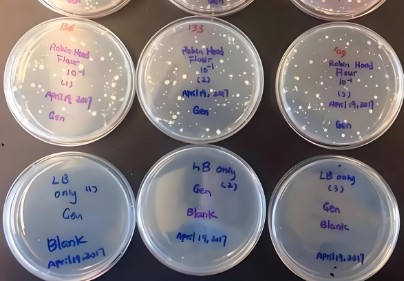
- Microbial limits and bioburden testing per USP <61> and USP <62> — the total aerobic microbial count, total yeast and mold count, and the absence of specified pathogens are verified to ensure the polyethylene glycol meets the microbiological quality requirements for pharmaceutical and cosmetic use.
- Bacterial endotoxin testing per USP <85> — for polyethylene glycol used in parenteral or ophthalmic formulations, the bacterial endotoxin level is measured to confirm the product is below the specified threshold for injectable and sterile applications.
- Animal origin and BSE/TSE compliance per USP <1024> and regional guidelines — where applicable, documentation and testing are provided to confirm the polyethylene glycol is of non-animal origin or is free from transmissible spongiform encephalopathy risk materials.
Chemical Safety and Restricted Substance Compliance for Polyethylene Glycol
- RoHS compliance per IEC 62321 and EU Directive 2011/65/EU — quantitative screening for lead, mercury, cadmium, hexavalent chromium, PBBs, and PBDEs in the polyethylene glycol product to ensure it meets substance restrictions for electronic and general industrial applications.
- REACH Annex XVII and SVHC screening — targeted analysis of Substances of Very High Concern including specific phthalate plasticizers, organotin stabilizers, and residual ethylene oxide derivatives that may be present in the PEG or its packaging.
- Halogen content by combustion ion chromatography per EN 14582 — the total fluorine, chlorine, bromine, and iodine content is measured to support halogen-free declarations for environmentally conscious electronics and industrial manufacturing.
- Volatile organic compound emission per ISO 16000-3 — chamber emission testing verifies that the polyethylene glycol does not release harmful VOCs or formaldehyde into the indoor air during storage or use in occupied spaces.
- Heavy metals in packaging per EU Directive 94/62/EC — verification that the sum concentration of lead, cadmium, mercury, and hexavalent chromium in the drums, bags, and labels used to package the polyethylene glycol is below the 100 ppm regulatory limit.
Report Recognition and ISO/IEC 17025 Compliance
Every test method described in this polyethylene glycol testing service is covered by our ISO/IEC 17025 scope of accreditation. Our technical reports and certificates of analysis are accepted by European notified bodies for pharmaceuticals and chemicals, by North American FDA and ASTM referencing authorities, and by customs and procurement agencies across the Middle East, Australia, and Asia. Whether you require a complete qualification dossier for a new PEG supplier, a batch release inspection for an incoming shipment, or a root cause failure analysis of a formulation or stability issue, our laboratory provides the measurement accuracy and chemical analysis expertise that the global pharmaceutical and industrial polyethylene glycol industries demand.