Pet Tear Stain Wipes Testing Service – Accredited Safety, Efficacy and Performance Evaluation for Global Markets
Our internationally accredited laboratory provides a specialist pet wipes clean tear stains testing service that empowers manufacturers of pet care wipes, veterinary hygiene brands, grooming product importers and private‑label suppliers worldwide to independently verify the cleaning effectiveness, the safety for the periocular skin, the antimicrobial preservation and the overall quality of their pre‑moistened wipes designed to remove and prevent tear stains in dogs and cats. Every test is conducted under the rigorous framework of ISO/IEC 17025, and each report bearing the ILAC mark is unconditionally accepted by regulatory authorities, notified bodies and supply‑chain partners in all major economies. The pet wipes clean tear stains programme subjects the finished product and its components to a complete suite of efficacy, biocompatibility, chemical and microbiological evaluations, quantifying the stain‑removal performance on a standardised artificial‑tear‑stain substrate, the dermal and the ocular irritation potential, the acute oral toxicity, the preservative‑efficacy against the common bacterial and fungal contaminants, and the stability of the cleansing lotion over the shelf‑life. For an exporter shipping pet tear‑stain wipes to the European Union, a manufacturer substantiating a “vet‑recommended” or “hypoallergenic” claim, or a retailer requiring the independent quality‑assurance of a private‑label product, this service delivers the legally robust, defensible data that underpin product registration, marketing‑claim support and the protection of the sensitive companion animal.
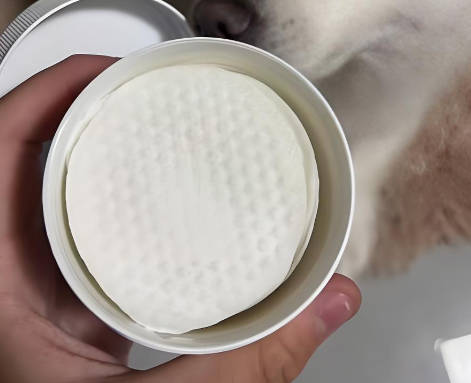
Product Samples We Regularly Test That Are Designed as Pet Wipes to Clean Tear Stains
The cleaning‑efficacy benches, synthetic‑skin models, Franz‑diffusion cells, environmental‑ageing chambers and microbial‑challenge incubators in our facility accommodate a broad variety of pre‑moistened pet‑wipe formats and their constituent liquids. The following categories represent the most frequently tested items:
- Pre‑moistened nonwoven pet tear‑stain wipes – spunlace, air‑laid and needle‑punched fabrics saturated with a cleansing lotion containing the boric acid, the witch‑hazel extract, the colloidal silver, the coconut‑derived surfactants or the enzymatic‑stain‑removing ingredients
- Textured and the embossed wiping pads – the double‑sided pads with a soft‑linting side for the initial cleaning and a more‑abrasive side for the gentle exfoliation of the dried‑tear and the food‑saliva residue from the facial fur
- Hypoallergenic and the fragrance‑free pet wipes – the products formulated without the common allergens, the alcohol, the parabens, the sulfates or the synthetic‑fragrance, intended for the brachycephalic breeds, the kittens and the puppies with the extremely sensitive skin around the eyes
- Medicated and the anti‑microbial tear‑stain wipes – the wipes that incorporate the chlorhexidine, the ketoconazole, the climbazole or the phytosphingosine to address the secondary Malassezia or the bacterial overgrowth that exacerbates the tear‑stain discolouration
- Biodegradable and the plant‑fibre‑based wipes – the products that use the bamboo, the cotton or the lyocell substrate and the bio‑based preservatives, evaluated for the compostability, the fibre‑shedding and the compatibility with the environment and the pet
- Bulk cleansing‑lotion and the substrate‑roll samples – the liquid‑phase lotion and the dry‑substrate rolls that are assembled into the finished wipes, submitted for the incoming‑goods quality‑control and the batch‑release testing
Efficacy Testing – How Well the Pet Wipes Clean Tear Stains
- Determination of the artificial‑tear‑stain removal efficacy by the in‑vitro cleaning‑test method according to the internal validated protocols: a standardised artificial‑tear‑stain solution containing the porphyrin, the mucin and the lipid is applied to a synthetic‑fur or a white‑cotton test substrate and allowed to dry for a controlled period. The pet wipe is then used to clean the stained substrate under a defined contact‑pressure, stroke‑count and dwell‑time, and the percentage of the stain removed is measured by the reflectance spectrophotometry or the digital‑image analysis. This pet wipes clean tear stains test provides the direct, objective evidence of the product's cleaning performance that can be used to support the advertising claims and to compare the formulation against the competitor benchmarks.
- Residual‑stain and the re‑soiling resistance evaluation: after the initial cleaning, the treated substrate is exposed to a second application of the artificial‑tear‑stain, and the degree to which the residual cleansing‑lotion or the conditioning agent prevents the adhesion of the new stain is measured, quantifying the “stay‑clean” effect that is a key consumer‑perceived benefit.
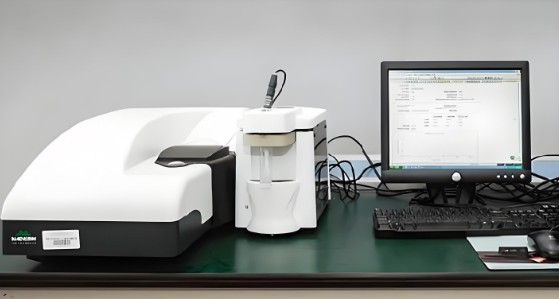
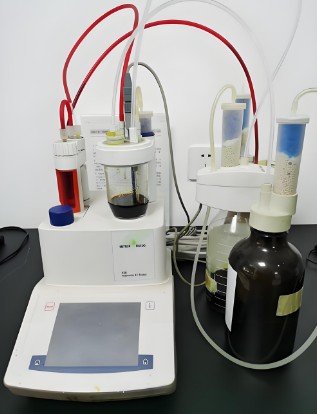
- Active‑ingredient analysis – the boric‑acid, the colloidal‑silver and the enzymatic‑activity content by the titrimetric, the ICP‑MS and the spectrophotometric methods: the cleansing lotion is expressed from the wipe and analysed, and the concentration of each active ingredient is reported in the micrograms per gram or the units of the activity per gram, verifying that the product meets the declared formulation and the regulatory limit for the cosmetic or the veterinary‑device classification.
- pH of the cleansing lotion and the wet‑wipe extract according to ISO 3071 (Textiles – Determination of pH of the aqueous extract) and the internal procedures: the pH of the liquid that is expressed from the wipe is measured, and the result must fall within the mildly acidic‑to‑neutral range of 5.5 to 7.0 to be compatible with the natural pH of the canine and the feline skin and to avoid the disruption of the protective acid‑mantle of the periocular area.
Safety and Biocompatibility – The Pet Wipes Clean Tear Stains Without Causing Irritation
- Acute dermal irritation and corrosion testing according to OECD Test Guideline 404 (Acute Dermal Irritation/Corrosion) and the analogous VICH GL 16: the liquid expressed from the pet wipe is applied to the intact and the abraded skin of the New Zealand White rabbits under a semi‑occlusive dressing for 4 hours, and the degree of the erythema and the oedema is scored at the 1‑, 24‑, 48‑ and 72‑hour time‑points. The Primary Irritation Index is calculated, and the product is classified as a non‑irritant or a mild irritant. This pet wipes clean tear stains safety test directly addresses the risk of the contact‑dermatitis and the chemical‑burn on the thinly‑haired skin of the periocular area and the paw‑pads.
- In‑vitro ocular irritation testing using the bovine corneal opacity and permeability test according to OECD TG 437 (Bovine Corneal Opacity and Permeability Test Method for Identifying Ocular Corrosives and Severe Irritants): the cleansing lotion is applied to the isolated bovine cornea, and the opacity and the permeability to the sodium‑fluorescein dye are measured. A test article that does not cause a significant increase in the opacity or the permeability is classified as a non‑irritant to the eye, providing the animal‑free, regulatory‑accepted evidence that the product can be used safely around the eyes without the risk of the corneal damage.
- Acute oral toxicity by the up‑and‑down procedure according to OECD TG 425 (Acute Oral Toxicity – Up‑and‑Down Procedure) and the VICH GL 52: the cleansing lotion is administered by the oral gavage to the female Sprague‑Dawley rats at a sequential, single‑animal dosing, and the median lethal dose (LD50) is estimated. This pet wipes clean tear stains evaluation accounts for the realistic exposure scenario where the dog or the cat licks the treated fur after the wiping and ingests a fraction of the residue.
- Skin sensitisation testing by the local lymph node assay according to OECD TG 442B (Skin Sensitisation – Local Lymph Node Assay: BrdU‑ELISA or Flow Cytometry) and the VICH GL 53: the test lotion is applied to the dorsum of the ear of the CBA/J mice for three consecutive days, and the proliferation of the lymphocytes in the auricular lymph node is measured. A Stimulation Index below 2.7 indicates that the product is not a skin sensitiser, which is essential for the “hypoallergenic” claim.
Preservation, Shelf‑Life and Packaging Integrity – The Pet Wipes Clean Tear Stains Remain Stable
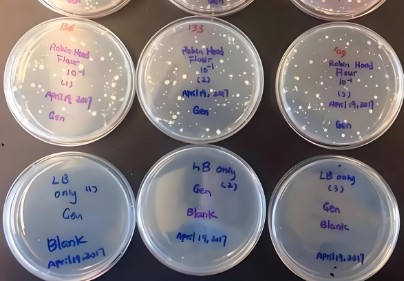
- Preservative‑efficacy testing (challenge test) according to the European Pharmacopoeia (Ph. Eur. 5.1.3) and the USP ⟨51⟩: the pet‑wipe lotion is inoculated with a standardised panel of the bacteria, the yeast and the mould – including Staphylococcus aureus, Pseudomonas aeruginosa, Escherichia coli, Candida albicans and Aspergillus brasiliensis – and the log‑reduction of the microbial count is measured after 7, 14 and 28 days. The product must meet the criteria for the preservative efficacy to ensure that the wipes will not support the microbial growth during the repeated opening and the use of the package over the claimed period‑after‑opening.
- Accelerated shelf‑life and the storage‑stability testing according to the internal protocols based on the ICH Q1A (Stability Testing of New Drug Substances and Products, adapted for the cosmetic and the veterinary‑hygiene products): the sealed packages of the pet wipes are stored at the elevated temperature – typically 40 °C and 75 % relative humidity – and at the ambient temperature for 3, 6 and 12 months, and the cleaning efficacy, the pH, the preservative content, the tensile strength of the substrate and the visual appearance are monitored, providing the data for the determination of the shelf‑life and the expiry‑date of the product.
- Packaging‑integrity and the moisture‑loss testing of the sealed pouch or the canister: the sealed package is weighed at the intervals during the storage, and the mass‑loss rate is calculated, verifying that the packaging provides the adequate moisture‑barrier and that the wipes will not dry out before the end of the labelled shelf‑life. This pet wipes clean tear stains quality test ensures that the consumer receives a fully saturated, functional wipe at the time of the purchase.
Report Acceptance and Global Regulatory Compliance
All measurements performed within our pet wipes clean tear stains testing programme are executed under the fully accredited scope of our ISO/IEC 17025 quality management system. Each test report that carries the ILAC mark is therefore automatically recognised by regulatory authorities, notified bodies, customs offices and supply‑chain partners in all major economies. For manufacturers of pet tear‑stain wipes, veterinary‑hygiene brands, pet‑product importers and private‑label retailers anywhere in the world, the report constitutes legally robust, internationally accepted evidence that the stain‑cleaning efficacy, the dermal and the ocular safety, the acute oral toxicity, the preservative adequacy and the shelf‑life stability of the pet wipes have been determined in accordance with the applicable OECD, VICH, Ph. Eur., USP, ISO and customer‑specified methods. The documentation can be directly used to support the product notification in the EU Cosmetic Product Notification Portal, the FDA registration, the veterinary‑product registration, the issue of inspection certificates according to EN 10204 or equivalent national standards, and the resolution of commercial and technical disputes concerning the safety, the efficacy and the quality of any pet wipe designed to clean tear stains.