Ozone Aging Testing Service – Accredited Resistance Evaluation for Global Markets
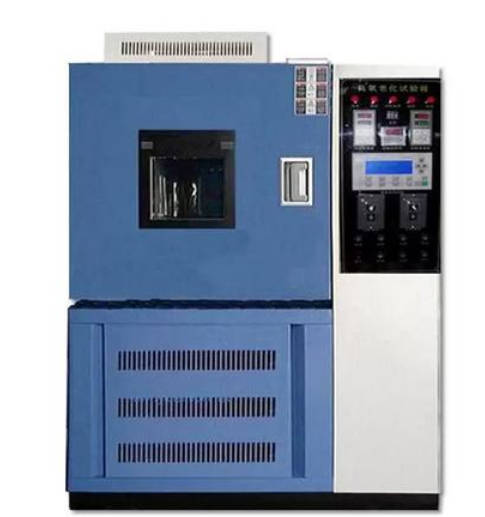
Our internationally accredited laboratory provides a specialist ozone aging test service that enables rubber and polymer product manufacturers, automotive suppliers, seal and gasket producers, cable and wire makers, and consumer‑goods exporters worldwide to independently verify the resistance of their materials to ozone‑induced cracking and degradation. Every test is conducted within the strict framework of ISO/IEC 17025, and each report bearing the ILAC mark is unconditionally accepted by regulatory authorities, customs offices and notified bodies in all major economies. The ozone aging test exposes stressed or unstressed specimens to a controlled atmosphere containing a known concentration of ozone at a specified temperature and humidity, replicating the real‑world attack that occurs in polluted urban air, near electrical discharges, or in sealed enclosures where ozone accumulates. For a seal manufacturer exporting to tropical climates, a tire producer certifying a sidewall compound, or a gasket supplier guaranteeing a ten‑year service life, this service provides the legally robust, defensible data that underpin product certification, warranty validation and compliance with the relevant ISO, ASTM and national standards.
Product Samples We Regularly Subject to Ozone Aging Tests
The ozone chambers in our facility accommodate specimens from small O‑rings to complete hoses and cables. The following categories represent the materials and components most frequently tested through our ozone aging test programme:
- Rubber and elastomer articles – O‑rings, gaskets, diaphragm seals, vibration isolators, engine mounts, rubber boots, bellows and weather‑stripping profiles
- Tyres and tyre components – sidewall compounds, tread‑splice materials and inner‑liner formulations
- Hoses, tubes and pipes – automotive coolant and fuel hoses, hydraulic hose covers, flexible connectors and industrial rubber hoses
- Conveyor belts, transmission belts and drive belts – the rubber covers and the carcass‑bonding layers
- Cable and wire insulation and jackets – elastomeric cable sheaths, insulation for outdoor cables, mining cables and railway signalling cables
- Plastic and thermoplastic elastomer products – flexible PVC, thermoplastic polyurethane and polyolefin elastomers used in automotive interior and exterior parts
- Coated fabrics and membranes – rubber‑coated textiles for inflatable structures, protective clothing and roofing membranes
- Paints, coatings and surface‑treatment films – elastomeric roof coatings, anti‑corrosion wraps and vibration‑damping sheets
Rubber and Elastomer Products – Ozone Aging Test According to ISO 1431-1 and ASTM D1149
- Static ozone‑resistance test under constant elongation according to ISO 1431‑1 (Rubber, vulcanized or thermoplastic – Resistance to ozone cracking – Part 1: Static and dynamic strain testing) and ASTM D1149: dumbbell or tapered‑strip specimens are clamped in a jig at a defined tensile elongation – typically 20 % for most rubbers, rising to 50 % or 80 % for highly resistant compounds. The loaded jig is placed in an ozone chamber where the ozone concentration is maintained at 50 pphm (parts per hundred million) or 100 pphm, the temperature is controlled at 40 °C, and the relative humidity is typically 50 %. The specimens are inspected at regular intervals – for example, every two hours – and the time to the first appearance of cracking, the crack density and the crack depth are recorded. This ozone aging test determines the critical strain at which ozone cracking initiates for a given compound and is the primary quality‑control procedure for rubber goods intended for outdoor service.
- Dynamic ozone‑resistance test according to ISO 1431‑1 with cyclic stretching: the specimen is mounted in a motorised jig that applies a sinusoidal elongation cycle, typically from 0 % to a defined maximum strain, at a frequency of 0.5 Hz to 1 Hz, while the specimen is exposed to the ozone‑containing atmosphere. The test is much more severe than the static test because the continuous renewal of the surface and the breakdown of the protective bloom film accelerate the ozone attack. The dynamic ozone aging test is mandatory for components that flex in service, such as tyre sidewalls, drive‑belt covers and suspension‑air‑spring bellows.
- Determination of the threshold strain for ozone cracking according to ISO 1431‑1 Annex A: a set of tapered‑strip specimens, or a series of specimens clamped at progressively higher elongations, is exposed to ozone for a fixed duration – commonly 24 h, 48 h or 72 h. The threshold strain is the maximum elongation at which no cracks are visible under 2× or 7× magnification, and it is the fundamental design parameter for rubber parts that must resist ozone throughout their service life.
- Ozone aging combined with UV‑radiation simulation for outdoor rubber products: the ozone chamber is equipped with xenon‑arc or fluorescent‑UV lamps, and the specimen is subjected to alternating cycles of ozone exposure in the dark and UV exposure with water spray, simulating the simultaneous attack of ozone and sunlight that occurs on a building‑seal or a roof‑membrane. This combined ozone aging test provides the accelerated‑aging data that civil engineers use to specify the service life of elastomeric bridge bearings and expansion‑joint seals.
- Ozone‑resistance testing of vulcanized and thermoplastic elastomers at extreme temperatures according to ISO 1431‑1 with modified parameters: the test is performed at -20 °C to simulate ozone attack in a cold‑winter environment where the rubber is stiffened and the protective wax layer is ineffective, and at +60 °C to reproduce the conditions inside an engine compartment. The data are used to select the appropriate polymer grade and the anti‑ozonant package for the climatic zone of the target market.
Plastics, Coatings and Textiles – Ozone Aging Test for Non‑Elastomeric Materials
- Ozone‑resistance evaluation of thermoplastic elastomers and flexible plastics according to ISO 1431‑1 adapted for TPEs, and ASTM D1149 extended scope: specimens of thermoplastic polyurethane, polyether‑block‑amide, flexible polyvinyl chloride and polyolefin elastomers are tested in the same apparatus as vulcanized rubber. The static and dynamic crack‑formation behaviour is compared with that of the reference rubber compounds, and the data are used by automotive‑interior suppliers to qualify the materials for soft‑touch dashboards, airbag covers and door‑panel skins that must resist ozone in the passenger compartment.
- Ozone‑induced degradation of elastomeric coatings and sealants: a coated panel or a sealant bead is exposed to ozone while being stretched or bent to a specified radius. The formation of surface cracks, the loss of adhesion to the substrate and the change in the elongation at break are measured, providing the data that paint and sealant manufacturers use to certify their products for outdoor metal and concrete structures.
- Ozone aging of rubber‑coated textiles and protective clothing: strips of the fabric are clamped in a jig at a low strain – typically 5 % – and exposed to ozone. After the test, the coated side is inspected for cracks that would destroy the waterproof or chemical‑barrier function, and the residual tensile strength of the fabric is measured. This ozone aging test is required for the certification of chemical‑protective suits, inflatable‑boat materials and military‑specification tarpaulins.
- Ozone‑resistance test for wire and cable jackets according to the relevant clauses of IEC 60811‑403 and EN 50363: a length of the finished cable or a strip of the jacket material is wound on a mandrel of a prescribed diameter to impose a defined surface strain, and the assembly is exposed to ozone. The jacket must not exhibit any cracking after a specified period, and the test is part of the routine quality‑control programme for cables intended for outdoor installation in ozone‑prone environments such as high‑voltage substations and railway tracks.
Automotive, Aerospace and Industrial Components – Combined Ozone Aging and Mechanical Testing
- Full‑component ozone‑aging test for seals, O‑rings and gaskets: the seal is installed in a groove that simulates the actual housing, compressed to the design squeeze, and the assembly is placed in the ozone chamber. After the exposure, the seal is removed and examined for cracks at the compressed and the non‑compressed surfaces, and the compression‑set and the leak‑tightness are measured. This ozone aging test verifies that the seal will maintain its function after years of exposure to ozone in a compressed state, as required by the vehicle manufacturer's performance specification.
- Ozone‑resistance testing of fuel‑system and air‑intake elastomers: the hose or the diaphragm is exposed to ozone after having been immersed in a fuel, oil or engine‑coolant mixture, because the absorbed liquid can alter the protective‑wax migration and the crack‑growth resistance. The test reveals whether a hose that meets the ozone‑resistance requirement when new becomes susceptible to cracking after a short period of service.
- Ozone aging of conveyor‑belt covers and splice‑joint materials: a section of the belt, including the factory‑vulcanised or field‑spliced joint, is bent around a roller of the minimum specified diameter and exposed to ozone. The formation of cracks at the joint or the separation of the cover from the carcass is evaluated, and the data are used to specify the minimum‑pulley diameter and the storage conditions for the belt.
- Ozone‑aging combined with salt‑spray and humidity cycling for aerospace elastomers: an ozone‑exposure phase is integrated into a multi‑factor environmental test that also includes salt‑spray mist, high humidity and temperature cycling, simulating the combined atmospheric stresses on an aircraft window‑seal, a landing‑gear‑door gasket or a helicopter rotor‑blade erosion‑boot. This ozone aging test provides the qualification evidence required by the aerospace material specifications.
- Residual‑strength and fatigue‑life evaluation after ozone aging: the specimen is first exposed to ozone for a defined period, and then it is subjected to a tensile test, a tear test or a dynamic‑fatigue test. The loss of mechanical properties is compared with that of an unexposed control, and the data are used to predict the safe service life of the rubber component in an ozone‑containing environment.
Report Acceptance and Global Regulatory Compliance
All measurements performed within our ozone aging test service are executed under the fully accredited scope of our ISO/IEC 17025 quality management system. Each test report that carries the ILAC mark is therefore automatically recognised by regulatory authorities, notified bodies, customs offices and supply‑chain partners in all major economies. For rubber compounders, seal manufacturers, automotive component suppliers and cable producers anywhere in the world, the report constitutes legally robust, internationally accepted evidence that the material or product meets the ozone‑resistance requirements of the applicable ISO, ASTM, IEC, EN and customer‑specified standards. The documentation can be directly used to support CE marking, the issue of inspection certificates according to EN 10204 or equivalent national standards, the compilation of technical files for type‑examination, and the resolution of commercial and technical disputes concerning the ozone‑induced degradation and the expected service life of elastomeric and polymeric materials.