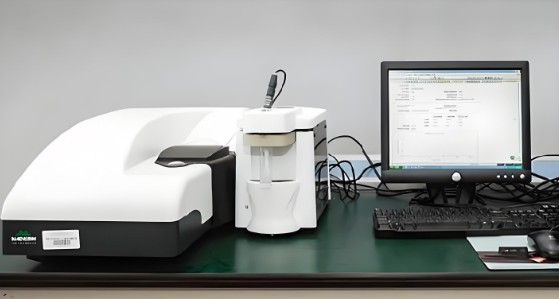
Microwave Inductive Plasma Emission Spectrometer (MIP) Testing Service – Accredited Nitrogen‑Plasma Multi‑Element Analysis for Global Markets
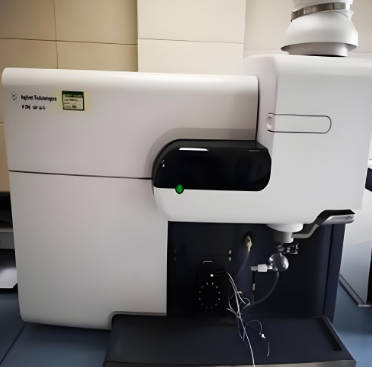
Our internationally accredited laboratory delivers a specialist Microwave Inductive Plasma Emission Spectrometer (MIP) testing service that provides environmental agencies, petroleum refiners, chemical producers, food processors, pharmaceutical manufacturers and agricultural enterprises worldwide with a cost‑effective, robust multi‑element analysis platform that operates entirely without argon. All analyses are conducted within the rigorous framework of ISO/IEC 17025, and every report bearing the ILAC mark is unconditionally accepted by regulatory authorities, customs offices and notified bodies in all major economies. The MIP testing service uses a nitrogen‑sustained microwave plasma that reaches temperatures sufficient to excite the complete range of metallic and many non‑metallic elements, providing simultaneous quantification of major, minor and trace constituents from a single aspiration. Because the plasma is generated from nitrogen extracted from air, our Microwave Inductive Plasma Emission Spectrometer testing service eliminates the logistical burden, cost and supply‑chain risks associated with argon, making it the ideal solution for high‑throughput laboratories, remote‑site operations and corporate sustainability programmes that demand equivalent analytical performance with a fraction of the consumable expense.
Product Samples We Regularly Subject to MIP Testing
The nitrogen‑plasma source and the sample‑introduction system of the MIP spectrometer accept a broad range of acidified aqueous solutions, organic dilutions and extracts. The following categories represent the types of samples most frequently analysed through our MIP testing service:
- Environmental waters and wastewaters – drinking water, surface water, groundwater, seawater, industrial effluents, acid‑mine drainage and landfill leachates
- Soils, sediments and solid wastes – agricultural soils, contaminated‑land samples, dredged sediments, sewage sludge, fly ash and incinerator bottom ash
- Petroleum products and fuels – crude oil, gasoline, diesel, biodiesel, lubricating oils, greases, fuel ethanol and petrochemical feedstocks
- Chemicals and industrial raw materials – caustic soda, sulfuric acid, electroplating baths, catalysts, ceramic glazes, polymer‑grade monomers and inorganic salts
- Food, beverages and agricultural products – cereals, vegetables, fruits, dairy products, meat, seafood, wine, fruit juices, edible oils, animal feed and pet food
- Pharmaceuticals, nutraceuticals and cosmetics – active pharmaceutical ingredients, excipients, herbal supplements, vitamin‑mineral premixes, creams and lotions
- Geological and mining materials – lithium brines, mineral sands, evaporites, limestone, phosphate rock and low‑grade copper ores
Environmental Waters, Soils and Wastes – MIP Testing Service According to EPA and ISO Methodologies
- Multi‑element determination in drinking water and wastewater using a nitrogen‑plasma emission source: the sample is acidified with nitric acid and introduced directly into the microwave plasma. The emission intensities of aluminium, arsenic, barium, boron, cadmium, calcium, chromium, cobalt, copper, iron, lead, magnesium, manganese, molybdenum, nickel, potassium, selenium, silicon, sodium, strontium, thallium, vanadium and zinc are measured simultaneously. The method follows the quality‑control protocols of EPA Method 6010D and ISO 11885 but uses nitrogen plasma, offering comparable detection limits while eliminating the need for argon supply. This Microwave Inductive Plasma Emission Spectrometer testing service is the preferred analytical solution for laboratories in regions where argon is expensive or difficult to source.
- Analysis of acid‑digested soils, sediments and solid wastes: the dried and sieved sample is extracted with nitric acid, aqua regia or a mixture of nitric, hydrochloric and hydrofluoric acids following EPA Method 3050B or EN 13656. The digest is analysed by MIP‑OES for heavy metals, and the results in milligrams per kilogram are compared with national soil‑screening levels and the acceptance criteria for hazardous‑waste landfill.
- Rapid screening of total recoverable metals in leachates and mine‑drainage waters: the sample is filtered, acidified and aspirated into the MIP. The high tolerance of the nitrogen plasma to dissolved salts and the low ionisation interferences reduce the need for dilution, preserving detection limits for trace elements such as cadmium, arsenic and antimony in highly saline matrices.
- Determination of chloride, bromide and sulfate via indirect emission monitoring: by measuring the emission of copper or aluminium in the presence of halides and sulfate, or by utilising near‑infrared emission lines of the non‑metals themselves, the MIP provides a rapid estimate of these anions in environmental waters and industrial effluents, complementing the metallic profile from a single sample injection.
Petroleum, Lubricants and Biofuels – MIP Testing for Wear Metals, Sulfur and Additive Elements
- Determination of wear metals, contaminants and additive elements in lubricating oils by MIP‑OES: the oil sample is diluted with kerosene, xylene or a proprietary solvent and introduced directly into the nitrogen plasma. Elements such as iron, aluminium, copper, lead, tin, chromium, nickel, silver, sodium, potassium, calcium, phosphorus, zinc, magnesium, boron and molybdenum are quantified. The methodology is based on the principles of ASTM D5185 and ASTM D6595 and provides the condition‑monitoring data that fleet operators, power‑generation utilities and mining companies rely on to schedule maintenance and prevent catastrophic engine failures.
- Measurement of sulfur and phosphorus in gasoline, diesel and biodiesel according to ASTM D8184 and EN 14538: the MIP spectrometer is configured with a high‑resolution monochromator and a nitrogen‑purged optical path to enable the detection of sulfur and phosphorus emission lines in the vacuum ultraviolet region. This MIP testing service supports compliance with the IMO 2020 sulfur cap, the EU Fuel Quality Directive and the emission standards of the US Environmental Protection Agency.
- Analysis of nickel, vanadium, iron and sodium in crude oil and heavy fuel oil: the sample is ashed, digested or directly introduced after dilution, and the elements that cause corrosion, catalyst poisoning and particulate emissions are determined. The data are used by refinery operators to blend crude oils and to assess the corrosivity and the fouling potential of the feed.
- Quality control of fuel ethanol and biodiesel: sodium, potassium, calcium, magnesium and phosphorus are measured to confirm that the biofuel meets the cleanliness requirements of the fuel‑injection‑equipment manufacturers and to prevent injector fouling. The nitrogen‑plasma source is insensitive to the high carbon load from the organic solvent, providing stable and reproducible signals over long analytical sequences.
Chemicals, Pharmaceuticals and Food – MIP Testing Service for Trace Elements and Elemental Impurities
- Determination of elemental impurities in pharmaceutical ingredients and finished products according to the principles of USP ⟨232⟩, Ph. Eur. 2.4.20 and ICH Q3D: the sample is dissolved or microwave‑digested, and the concentrations of Class 1 (arsenic, cadmium, mercury, lead), Class 2A (cobalt, nickel, vanadium) and Class 2B elements are measured by MIP‑OES. The nitrogen‑plasma operation reduces the formation of argon‑based polyatomic interferences, improving the accuracy for arsenic and selenium, and the results support the registration of new drug products and generic medicines with the FDA, EMA and other global health authorities.
- Multi‑element profiling of foodstuffs and beverages for nutritional labelling and contaminant surveillance: the homogenised sample is digested with nitric acid and hydrogen peroxide in a closed‑vessel microwave system, and the solution is analysed by MIP‑OES for sodium, potassium, calcium, magnesium, iron, zinc, copper, manganese, chromium, selenium, molybdenum, lead, cadmium, arsenic and mercury. The data are used to generate nutrition‑fact panels and to demonstrate compliance with Commission Regulation (EC) No 1881/2006, the US FDA action levels and Codex Alimentarius standards.
- Analysis of high‑purity chemicals, catalysts and electronic‑grade solvents: the MIP spectrometer, operated under clean‑room conditions, measures trace‑metal impurities at sub‑microgram per gram levels in sulfuric acid, hydrogen peroxide, tetramethylammonium hydroxide and other process chemicals used by the semiconductor and pharmaceutical industries.
- Elemental fingerprinting of wines and spirits for geographical‑origin verification: a panel of major and trace elements is measured by MIP‑OES, and the multi‑element profile is compared with a reference database to detect adulteration, mislabelling or false claims of origin, a service increasingly required by international regulatory agencies and premium retailers.
Agricultural Soils, Fertilisers and Plant Materials – MIP Testing for Macro‑ and Micro‑Nutrients
- Determination of soil fertility indicators and potential toxic elements: the soil is extracted with Mehlich‑3, ammonium acetate or DTPA, and the extract is analysed by MIP‑OES for phosphorus, potassium, calcium, magnesium, iron, manganese, copper, zinc, boron and sodium. The concentrations are reported in milligrams per kilogram or parts per million, providing the data that agronomists need to formulate precision fertiliser recommendations for crops grown in diverse climatic zones.
- Analysis of NPK fertilisers, micronutrient blends and foliar sprays according to AOAC 965.09 and the EU Fertilising Products Regulation: the fertiliser sample is dissolved in acid, and the concentrations of nitrogen (as ammonium or nitrate, measured by complementary techniques), phosphorus, potassium, calcium, magnesium, sulfur, boron, cobalt, copper, iron, manganese, molybdenum and zinc are determined. The results confirm that the fertiliser meets the guaranteed analysis declared on the label and complies with the maximum limits for cadmium, lead, arsenic and chromium.
- Quality control of animal feeds and pet foods according to ISO 13933 and the relevant national standards: the ashed or digested sample is analysed for the essential trace elements and the potential toxic elements, ensuring that the feed supports animal health and does not introduce heavy metals into the human food chain.
- Monitoring of sodium, potassium and calcium in hydroponic nutrient solutions and irrigation waters: the MIP provides rapid, multi‑element readouts that enable greenhouse operators to adjust the nutrient dosing in real time and to prevent the accumulation of deleterious elements in the recirculating solution.
Report Acceptance and Global Regulatory Compliance
All measurements performed within our Microwave Inductive Plasma Emission Spectrometer testing service are executed under the fully accredited scope of our ISO/IEC 17025 quality management system. Each test report that carries the ILAC mark is therefore automatically recognised by regulatory authorities, notified bodies, customs offices and supply‑chain partners in all major economies. For environmental laboratories, petroleum refineries, chemical manufacturers, food‑safety agencies, pharmaceutical producers and agricultural service providers anywhere in the world, the report constitutes legally robust, internationally accepted evidence that the multi‑element composition of the sample has been determined in accordance with the applicable ASTM, ISO, EPA, EN, AOAC and pharmacopoeial methods. The documentation can be directly used for environmental‑permit applications, food‑safety clearance, drug‑registration submissions, fertiliser‑grade certification, the issue of inspection certificates according to EN 10204 or equivalent national standards, and the resolution of commercial and technical disputes concerning the elemental content of any material.