Mass Spectrometer (MS) Testing Service – Accredited High‑Sensitivity Identification and Quantification for Global Markets
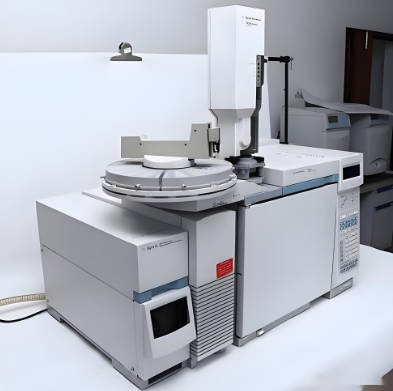
Our internationally accredited laboratory delivers a comprehensive Mass Spectrometer (MS) testing service that provides pharmaceutical researchers, environmental agencies, food‑safety laboratories, forensic toxicologists, clinical diagnostics teams and chemical manufacturers worldwide with the ultimate in analytical sensitivity, specificity and structural elucidation. Every analysis is conducted within the rigorous framework of ISO/IEC 17025, and each report bearing the ILAC mark is unconditionally accepted by regulatory authorities, customs offices and notified bodies in all major economies. The Mass Spectrometer testing service measures the mass‑to‑charge ratio of ionized molecules and their fragments, generating a unique spectral fingerprint that identifies unknown compounds, quantifies target analytes at femtogram levels, and provides the structural information needed to characterise novel substances. By employing gas chromatography‑mass spectrometry, liquid chromatography‑mass spectrometry, inductively coupled plasma mass spectrometry, high‑resolution accurate‑mass instruments and matrix‑assisted laser desorption/ionization time‑of‑flight systems, we give our clients the legally robust, defensible data required for drug registration, environmental compliance, food‑safety certification and forensic investigation on every continent.
Product Samples We Regularly Analyze Using Mass Spectrometry
The extraordinary versatility of our MS platform allows us to accept almost any matrix – solid, liquid, gas or biological tissue – after appropriate extraction or digestion. The following categories represent the samples most frequently submitted for our Mass Spectrometer (MS) testing service:
- Pharmaceutical preparations and biological specimens – active pharmaceutical ingredients, finished dosage forms, blood, plasma, serum, urine, saliva and tissue biopsies
- Environmental waters, soils and air – drinking water, wastewater, groundwater, surface water, soil extracts, sediment, ambient air on sorbent tubes and industrial emissions
- Food, beverages and agricultural commodities – fresh and processed foods, infant formula, dietary supplements, edible oils, alcoholic drinks, spices and animal feeds
- Forensic and toxicological samples – seized illicit drugs, post‑mortem tissues, hair, oral fluid, fire debris and questioned documents
- Chemicals, polymers and industrial products – surfactants, plasticisers, flame retardants, monomers, polymer additives, cleaning agents and technical‑grade solvents
- Petroleum and petrochemical products – crude oil, gasoline, diesel, lubricating oils, waxes and petrochemical feedstocks
- Metals and inorganic materials – drinking‑water residues, electronic components, metal alloys, ores, catalysts and semiconductor‑grade chemicals
- Natural products and biomolecules – proteins, peptides, oligonucleotides, lipids, carbohydrates and metabolites
GC‑MS and GC‑MS/MS – Volatile and Semi‑Volatile Organic Compound Analysis by Mass Spectrometer Testing Service
- Determination of volatile organic compounds in water, air and soil according to EPA Method 8260D, EPA Method 524.3 and ISO 10301: the sample is introduced by purge‑and‑trap, headspace or direct injection, separated on a capillary column, and the eluting compounds are ionized by electron impact or chemical ionization. The mass spectrum of each analyte is compared with the NIST mass spectral library, and the concentration is quantified against a multi‑point calibration. This Mass Spectrometer (MS) testing service provides the legally mandated data for the compliance monitoring of benzene, toluene, ethylbenzene, xylenes, trihalomethanes, tetrachloroethylene and dozens of other regulated volatiles.
- Semi‑volatile organic compounds, polynuclear aromatic hydrocarbons and phthalates by GC‑MS according to EPA Method 8270E and ISO 18287: the extract is concentrated and analysed in full‑scan or selected‑ion‑monitoring mode. The 16 EPA‑priority PAHs, phthalate esters, phenols, chlorinated hydrocarbons and organochlorine pesticides are quantified at sub‑parts‑per‑billion levels, supporting contaminated‑land risk assessment and the characterisation of industrial effluents.
- Pesticide residue analysis in food and feed by GC‑MS/MS according to the QuEChERS method (EN 15662): the homogenised sample is extracted with acetonitrile, cleaned by dispersive solid‑phase extraction, and analysed by tandem mass spectrometry. Multiple reaction monitoring transitions provide the sensitivity and selectivity required to confirm and quantify over two hundred pesticides at the maximum residue limits set by Codex Alimentarius and the EU, US and Japanese regulations.
- Fire‑debris analysis and ignitable‑liquid identification according to ASTM E1618: the adsorbed vapours are desorbed and analysed by GC‑MS. The total‑ion chromatogram and the extracted‑ion profiles are compared with reference databases, and the presence of gasoline, diesel, kerosene or other accelerants is reported. This Mass Spectrometer testing service is accredited for forensic casework, and the results are admissible as evidence in courts of law.
LC‑MS, LC‑MS/MS and UHPLC‑QTOF – Non‑Volatile, Polar and Thermally Labile Compound Analysis
- Quantification of pharmaceutical residues, hormones and personal‑care‑product contaminants in water according to EPA Method 1694 and the EU Watch List methodologies: the sample is enriched by solid‑phase extraction and analysed by liquid chromatography coupled to triple‑quadrupole mass spectrometry. Antibiotics, non‑steroidal anti‑inflammatory drugs, beta‑blockers, carbamazepine, estrone and UV‑filter compounds are determined at the sub‑nanogram‑per‑litre level, supporting the monitoring programmes mandated by the EU Water Framework Directive.
- Determination of mycotoxins – aflatoxins, ochratoxin A, fumonisins, zearalenone and deoxynivalenol – in cereals, spices and infant foods by LC‑MS/MS according to EN 14123, EN 14132 and CEN/TS 17251: the sample is extracted and cleaned by immunoaffinity or multi‑functional columns, and the mycotoxins are separated on a C18 column. Two transitions per analyte are monitored, and the concentrations are reported against isotopically labelled internal standards, meeting the strict performance criteria of the EU Maximum Residue Limits.
- High‑resolution accurate‑mass screening and unknown identification by UHPLC‑QTOF: the sample is analysed in full‑scan mode with mass accuracy better than 3 ppm. The molecular formula is assigned from the accurate mass and the isotopic pattern, and the structure is elucidated from the MS/MS fragmentation spectrum. This Mass Spectrometer (MS) testing service is the method of choice for the identification of unknown impurities in pharmaceuticals, the characterisation of metabolites in drug‑metabolism studies, and the non‑targeted screening of environmental samples for emerging contaminants.
- Proteomics, peptide mapping and biopharmaceutical characterisation by LC‑MS: the protein is digested with trypsin, and the resulting peptides are separated by nano‑LC and analysed by high‑resolution mass spectrometry. The amino‑acid sequence, the post‑translational modifications and the disulfide‑bridge pattern are determined, providing the detailed structural information required by the ICH Q6B guideline for the characterisation of biosimilar and innovative biologic products.
ICP‑MS – Trace Element and Multi‑Element Analysis by Mass Spectrometer Testing Service
- Determination of trace elements in drinking water, groundwater and wastewater according to EPA Method 200.8, EPA Method 6020B and ISO 17294‑2: the sample is acidified and introduced directly into the inductively coupled plasma mass spectrometer. The concentrations of twenty‑five to forty elements – including arsenic, cadmium, chromium, lead, mercury, nickel, selenium, thallium and uranium – are measured with detection limits in the low nanogram‑per‑litre range. This Mass Spectrometer testing service provides the legally defensible data required for compliance with the WHO Guidelines for Drinking‑water Quality and the EU, US and national drinking‑water regulations.
- Determination of elemental impurities in pharmaceutical products according to USP ⟨232⟩, Ph. Eur. 2.4.20 and ICH Q3D: the sample is digested with microwave‑assisted acid dissolution, and the Class 1, Class 2A and Class 2B elements are quantified by ICP‑MS. The concentrations are reported in micrograms per gram relative to the permitted daily exposure limits, supporting the registration of new drug products and generic medicines with global health authorities.
- Ultra‑trace analysis of heavy metals in food, infant formula and dietary supplements: lead, cadmium, mercury, arsenic and tin are determined by ICP‑MS after closed‑vessel microwave digestion. The method achieves the low detection limits needed to verify compliance with the maximum levels of Commission Regulation (EC) No 1881/2006 and the US FDA action levels.
- Speciation of arsenic, mercury and selenium by HPLC‑ICP‑MS: the toxicologically significant species – arsenite, arsenate, monomethylarsonic acid, dimethylarsinic acid, inorganic mercury and methylmercury – are separated on an ion‑exchange column and detected by ICP‑MS. This Mass Spectrometer (MS) testing service provides the species‑specific data that food‑safety agencies and risk assessors require to evaluate the true hazard of elemental contaminants.
MALDI‑TOF and High‑Resolution Mass Spectrometry – Macromolecules, Polymers and Microbial Identification
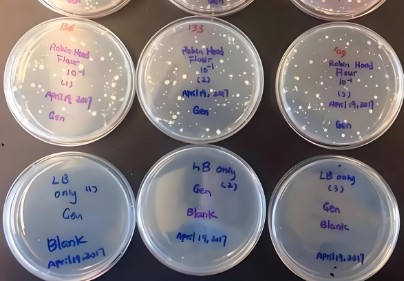
- Rapid microbial identification by MALDI‑TOF MS according to the protocols of the clinical microbiology standards: a colony or an extract is spotted onto a target plate with a matrix solution, and the protein‑fingerprint spectrum is acquired. The spectrum is matched against a comprehensive database, and the microorganism is identified to the species level within minutes. This Mass Spectrometer testing service is widely used for the quality control of probiotic products, the sterility testing of pharmaceutical preparations and the investigation of food‑spoilage incidents.
- Characterisation of synthetic polymers and macromolecules by MALDI‑TOF: the polymer is co‑crystallised with a matrix, and the intact oligomer‑ion distribution is measured. The repeat‑unit mass, the end‑group masses and the molecular‑weight distribution are determined directly, providing the detailed structural information that polymer chemists need to optimise the synthesis and to identify the initiator and the termination mechanism.
- High‑resolution mass spectrometry for environmental forensics and contaminant fingerprinting: the accurate mass and the isotopic fine structure of unknown contaminants – such as per‑ and polyfluoroalkyl substances, brominated flame retardants and organophosphate esters – are measured by orbitrap or QTOF instruments. The molecular formula is confirmed, and the compound is identified against specialised databases, supporting the investigation of pollution sources and the monitoring of persistent organic pollutants under the Stockholm Convention.
Report Acceptance and Global Regulatory Compliance
All measurements performed within our Mass Spectrometer (MS) testing service are executed under the fully accredited scope of our ISO/IEC 17025 quality management system. Each test report that carries the ILAC mark is therefore automatically recognised by regulatory authorities, notified bodies, customs offices and supply‑chain partners in all major economies. For pharmaceutical manufacturers, environmental agencies, food‑safety laboratories, forensic toxicologists and chemical producers anywhere in the world, the report constitutes legally robust, internationally accepted evidence that the mass‑spectrometric identification and quantification of the target analytes have been performed in accordance with the applicable EPA, ISO, ASTM, USP, Ph. Eur. and customer‑specified methods. The documentation can be directly used for drug‑registration submissions, environmental‑permit applications, food‑safety clearance, forensic‑evidence presentation, the issue of inspection certificates according to EN 10204 or equivalent national standards, and the resolution of commercial and technical disputes concerning the composition, purity and safety of any substance.