Ion Chromatograph (IC) Testing Services – Accredited Anion, Cation and Organic Acid Analysis for Global Markets
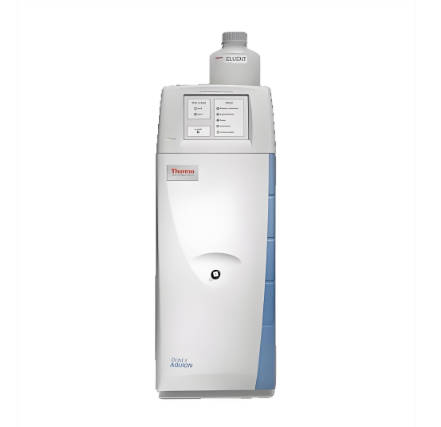
Our internationally accredited laboratory delivers comprehensive Ion Chromatograph (IC) testing services that enable environmental agencies, drinking‑water utilities, food and beverage processors, pharmaceutical manufacturers, power‑generation plants, chemical producers and electronics companies worldwide to quantify the ionic constituents of their products, raw materials and waste streams with exceptional sensitivity and selectivity. Every analysis is performed within the strict framework of ISO/IEC 17025, and each report bearing the ILAC mark is unconditionally accepted by regulatory authorities, customs offices and notified bodies in all major economies. Ion Chromatograph (IC) testing services employ chemically suppressed or non‑suppressed conductivity detection, amperometric detection, UV‑Vis absorbance and post‑column derivatisation to resolve and measure inorganic and organic anions, cations, transition metals, amines, organic acids and carbohydrates in a single analytical run. From the compliance monitoring of disinfection by‑products in drinking water and the verification of lithium content in battery‑grade brines to the quantification of trace chloride and sulfate in high‑purity process chemicals, our platform delivers the legally robust, defensible ionic profiles that underpin global regulatory submissions, process control and international trade.
Product Samples We Regularly Subject to Ion Chromatograph (IC) Testing
The sample‑introduction systems, inline dialysers and matrix‑elimination technologies of our IC platform accept a vast variety of aqueous and extractable samples. The following categories represent the materials most frequently analysed through our Ion Chromatograph (IC) testing services:
- Environmental waters and wastewaters – drinking water, surface water, groundwater, seawater, industrial effluents, acid‑mine drainage, leachates and rainwater
- Food, beverages and agricultural products – milk, infant formula, fruit juices, wine, beer, coffee, canned vegetables, honey, spices, meat products and pet foods
- Pharmaceuticals and biopharmaceuticals – active pharmaceutical ingredients, excipients, water for injection, dialysis fluids, cell‑culture media and vaccine formulations
- Power‑generation and boiler‑water samples – high‑purity steam condensate, boiler feedwater, cooling‑tower water and turbine‑lubricant aqueous extracts
- Electronics and semiconductor process chemicals – ultrapure water, hydrogen peroxide, sulfuric acid, tetramethylammonium hydroxide and isopropyl alcohol
- Chemicals and industrial intermediates – surfactants, detergents, plating‑bath solutions, catalysts, fertilisers, explosives and polymer‑grade monomers
- Geological and mining samples – lithium‑brine, salt‑pan evaporites, mineral‑processing liquors and leachates from ore processing
- Clinical and forensic specimens – urine, serum, saliva, vitreous humour and adulterant screening in drug‑testing programmes
Environmental Waters, Soils and Air – Ion Chromatograph (IC) Testing Services for Anions, Cations and Disinfection By‑Products
- Determination of common anions in water and wastewater according to EPA Method 300.1, ISO 10304‑1 and the Standard Methods for the Examination of Water and Wastewater: the sample is filtered, degassed if necessary, and injected directly. Fluoride, chloride, nitrite, bromide, nitrate, orthophosphate and sulfate are separated on a high‑capacity anion‑exchange column with a carbonate‑bicarbonate or hydroxide eluent, and the analytes are detected by suppressed conductivity. This Ion Chromatograph (IC) testing service provides the core ionic‑balance data that water utilities, environmental agencies and industrial permit‑holders require to demonstrate compliance with the EU Drinking Water Directive, the US Safe Drinking Water Act and the national effluent standards of most industrialised countries.
- Determination of disinfection by‑product anions – bromate, chlorite and chlorate – according to EPA Method 300.1 (B) and ISO 11206: the sample is preserved with ethylenediamine to stabilise bromate, and the anions are separated on a high‑capacity column with a hydroxide gradient and detected by suppressed conductivity, achieving detection limits below 1 µg/L. The data demonstrate compliance with the stringent maximum contaminant levels for bromate (10 µg/L) and chlorite in drinking water, which are enforced by the WHO, the EU and the US EPA.
- Determination of hexavalent chromium by ion chromatography with post‑column derivatisation and UV‑Vis detection according to EPA Method 218.7 and ISO 23913: chromate is separated on an anion‑exchange column, derivatised with diphenylcarbazide, and the resulting coloured complex is measured at 530 nm. The method achieves a detection limit below 20 ng/L, enabling the monitoring of Cr(VI) in drinking water at the low levels that are increasingly regulated by public‑health agencies worldwide.
- Simultaneous determination of alkali and alkaline‑earth cations – lithium, sodium, ammonium, potassium, magnesium, calcium and strontium – by cation‑exchange chromatography according to EPA Method 300.7 and ISO 14911: the sample is injected onto a carboxylic‑acid‑based cation‑exchange column, and the cations are separated by a methanesulfonic acid or sulfuric acid gradient and detected by suppressed conductivity. The method is routinely applied to drinking water, surface water and wastewater, and it is the reference procedure for the determination of ammonium and the alkali metals.
- Analysis of organic acids, amines and alkanolamines in aqueous samples by ion‑exclusion or ion‑exchange chromatography: formate, acetate, propionate, butyrate, lactate, citrate, oxalate, mono‑, di‑ and tri‑ethanolamines are separated and detected by conductivity or UV. This capability supports the monitoring of biodegradation processes, the assessment of corrosion in oilfield brines and the quality control of amine‑based carbon‑capture solvents.
Ion Chromatograph (IC) Testing Services for Foods, Beverages and Agricultural Products – Nutritional Labelling and Contaminant Surveillance
- Determination of nitrate, nitrite, chloride and phosphate in meat products, processed foods and infant formula according to EN 12014‑2 and AOAC Official Method 993.30: the sample is extracted with hot water, clarified with Carrez reagents and analysed by anion‑exchange IC. The concentrations of nitrate and nitrite are reported in milligrams per kilogram, supporting compliance with the maximum levels set by Commission Regulation (EC) No 1881/2006 for the protection of infants and young children.
- Quantification of organic acids in fruit juices, wine and beverages for authenticity and spoilage assessment: citric, malic, tartaric, lactic, acetic, succinic and fumaric acids are separated on an ion‑exclusion column and detected by conductivity or UV. This Ion Chromatograph (IC) testing service provides the acid‑profile data that food‑quality laboratories use to detect adulteration, to monitor the progress of malolactic fermentation in wine, and to verify the authenticity of fruit‑juice concentrates.
- Determination of polyphosphates and condensed phosphates in seafood, meat and cheese: mono‑, di‑, tri‑ and polyphosphates are extracted from the food matrix, separated by anion‑exchange chromatography and detected by conductivity or post‑column derivatisation. The data support the enforcement of legal limits for added phosphates and the prevention of economic fraud through excessive water retention.
- Analysis of sodium, potassium, magnesium and calcium in milk, sports drinks and mineral waters for nutritional labelling: the sample is diluted and injected directly onto a cation‑exchange column. The concentrations of the individual cations are reported in milligrams per litre or per 100 g, providing the data required for the nutrition‑fact panels mandated by Codex Alimentarius and the food‑labelling regulations of major markets.
- Screening of iodide, thiocyanate and perchlorate in dairy products and infant formula: these goitrogenic anions are separated on a specialised column and detected by suppressed conductivity or tandem mass spectrometry. The method supports the assessment of thyroid‑disrupting substances in the food supply and is increasingly requested by public‑health authorities and infant‑formula exporters.
Pharmaceutical, Biopharmaceutical and Medical‑Device Applications – Ion Chromatograph (IC) Testing Services for Purity and Quality Control
- Determination of chloride, sulfate, nitrate, phosphate and organic acids in active pharmaceutical ingredients and excipients according to the principles of USP ⟨1065⟩ and the ICH Q3A guideline on impurities: the sample is dissolved in a suitable solvent, and the counter‑ions and ionic impurities are separated and quantified by anion‑ or cation‑exchange IC. This Ion Chromatograph (IC) testing service supports the characterisation of drug‑substance salts, the control of ionic contaminants in excipients such as lactose and microcrystalline cellulose, and the demonstration of compliance with the elemental‑impurity guidelines of ICH Q3D when combined with complementary techniques.
- Analysis of water for injection, purified water and haemodialysis fluids according to the European Pharmacopoeia (Ph. Eur.) and USP monographs: the conductivity, the total‑organic‑carbon content and the individual ionic impurities – including chloride, sulfate, ammonium, calcium and magnesium – are determined by a combination of IC and complementary methods, ensuring that the water meets the stringent purity specifications required for parenteral drug manufacturing and renal dialysis.
- Monitoring of cell‑culture media and fermentation‑broth components: glucose, lactate, glutamine, glutamate, ammonium, potassium, sodium and calcium are measured by cation‑exchange and anion‑exchange IC, providing the time‑course data that bioprocess engineers use to optimise the feeding strategy and to control the productivity of monoclonal‑antibody and vaccine production.
- Determination of ethylene oxide residues and ethylene chlorohydrin in sterilised medical devices: the device is extracted with water, and the extract is analysed by IC with conductivity or mass‑spectrometric detection. The concentrations of the residual sterilant and its degradation product are compared with the limits of ISO 10993‑7, supporting the regulatory clearance of sterile barrier systems.
Power Generation, Nuclear and Industrial Process Waters – Ion Chromatograph (IC) Testing Services for Corrosion and Deposit Control
- Trace‑level determination of anions and cations in high‑purity steam condensate and boiler feedwater according to ASTM D5542, ASTM D5996 and the VGB PowerTech guidelines: the sample is analysed directly or pre‑concentrated on a trace‑anion or trace‑cation column. Chloride, sulfate, sodium, potassium, ammonium, magnesium and calcium are quantified at sub‑microgram‑per‑litre levels, providing the essential chemistry data that power‑plant chemists need to control corrosion, prevent scale formation and protect the steam turbine.
- Determination of organic acids, glycolate and formate in nuclear‑reactor coolant and steam‑generator water: the sample is analysed by ion‑exclusion or anion‑exchange IC, and the degradation products of ion‑exchange resins, lubricants and cleaning agents are identified and quantified. This Ion Chromatograph (IC) testing service supports the chemistry‑control programmes of pressurised‑water and boiling‑water reactors and is mandatory for the assessment of stress‑corrosion cracking risk.
- Analysis of transition metals and lanthanides in aqueous process streams by ion chromatography with post‑column derivatisation and UV‑Vis detection: iron, copper, nickel, zinc, cobalt, manganese, chromium and certain rare‑earth elements are separated on a cation‑exchange or mixed‑mode column and detected after a colour‑forming reaction with 4‑(2‑pyridylazo)resorcinol or a similar reagent. The method is applied to the monitoring of corrosion in cooling‑water circuits and to the control of metal impurities in electroplating and surface‑finishing baths.
- Monitoring of ammonia, hydrazine and other conditioning agents in steam‑water cycles: these analytes are measured by cation‑exchange or ion‑exclusion IC with conductivity or amperometric detection, providing the data required to maintain the reducing environment that protects boiler tubes from oxygen pitting.
Electronics, Semiconductor and High‑Purity Chemical Industries – Ion Chromatograph (IC) Testing Services for Contamination Control
- Determination of trace anions and cations in ultrapure water, hydrogen peroxide and other process chemicals according to SEMI C63, ASTM D5127 and customer specifications: the sample is analysed in a clean‑room environment using a pre‑concentration column and a high‑capacity analytical column. The concentrations of chloride, sulfate, nitrate, phosphate, sodium, potassium, ammonium, calcium, magnesium and iron are quantified at the parts‑per‑trillion level, supporting the quality‑control programmes of semiconductor fabrication plants and the certification of electronic‑grade chemicals.
- Analysis of ionic contaminants in electronic components and printed‑circuit‑board extracts: the component is extracted with a solvent or with water, and the extract is analysed by IC. The levels of halides, sulfate and weak organic acids that can cause corrosion and electrochemical migration are reported, providing the data that electronics manufacturers use to qualify cleaning processes and to investigate field failures.
- Determination of tetrafluoroborate, hexafluorophosphate and other fluorinated anions in lithium‑ion battery electrolytes: the electrolyte is diluted with an appropriate solvent and analysed by anion‑exchange IC with suppressed conductivity. This Ion Chromatograph (IC) testing service supports the research, development and quality control of battery materials, which are critical to the global energy‑storage industry.
Report Acceptance and Global Regulatory Compliance
All analyses performed within our Ion Chromatograph (IC) testing services are executed under the fully accredited scope of our ISO/IEC 17025 quality management system. Each test report that carries the ILAC mark is therefore automatically recognised by regulatory authorities, notified bodies, customs offices and supply‑chain partners in all major economies. For environmental agencies, water utilities, food and beverage producers, pharmaceutical manufacturers, power‑generation companies and semiconductor fabricators anywhere in the world, the report constitutes legally robust, internationally accepted evidence that the ionic composition of the sample has been determined in accordance with the applicable EPA, ISO, ASTM, EN, USP, Ph. Eur. and customer‑specified methods. The documentation can be directly used for drinking‑water compliance certification, environmental‑permit applications, food‑safety clearance, drug‑registration submissions, the issue of inspection certificates according to EN 10204 or equivalent national standards, and the resolution of commercial and technical disputes concerning the ionic purity and the chemical composition of any material.