ICP Testing Service – Accredited Multi‑Element and Trace Element Analysis for Global Markets
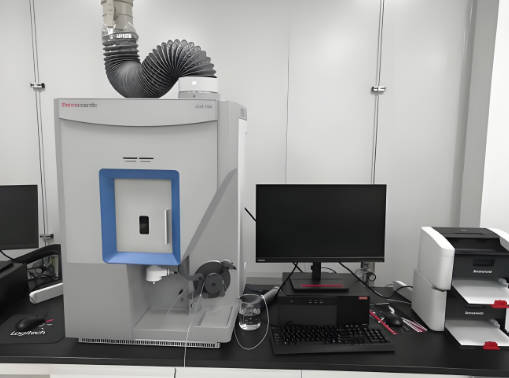
Our internationally accredited laboratory delivers a comprehensive ICP testing service that provides manufacturers, mining corporations, environmental consultants, food processors, pharmaceutical companies and chemical producers worldwide with the independent, high‑precision multi‑element data they require for quality control, regulatory compliance and product development. All analyses are performed within the rigorous framework of ISO/IEC 17025, and each report bearing the ILAC mark is unconditionally accepted by regulatory authorities, customs offices and notified bodies in all major economies. The term ICP testing service covers both inductively coupled plasma optical emission spectrometry (ICP‑OES) and inductively coupled plasma mass spectrometry (ICP‑MS), two of the most powerful and versatile techniques for the simultaneous determination of major, minor and trace elements across the periodic table. Whether a client needs to certify an aluminium alloy to an ASTM specification, monitor heavy‑metal contaminants in a river sample, verify the purity of a pharmaceutical excipient or assay a lithium brine, our ICP platform delivers the legally robust, defensible data that form the foundation of international trade, environmental permits and product registrations.
Product Samples We Regularly Subject to ICP Testing
The sample preparation and clean‑room facilities in our laboratory can digest, fuse, dilute or ablate virtually any solid, liquid or gas. The following categories represent the most frequently tested items received from supply chains on every continent:
- Metals and alloys – carbon and stainless steels, aluminium alloys, copper alloys, nickel‑base superalloys, titanium alloys, solders and precious‑metal bullion
- Ores, concentrates and geological materials – iron ore, bauxite, copper concentrate, gold‑bearing rock, rare‑earth mineral sands, lithium brine, limestone and phosphate rock
- Environmental waters and wastewaters – drinking water, surface water, groundwater, seawater, industrial effluents, leachates and acid mine drainage
- Soils, sediments and solid wastes – contaminated land samples, dredged sediments, sewage sludge, fly ash, incinerator bottom ash and mine tailings
- Food, beverages and agricultural products – cereals, vegetables, fruits, dairy products, meat, seafood, wine, fruit juices, edible oils and animal feed
- Pharmaceuticals, nutraceuticals and cosmetics – active pharmaceutical ingredients, excipients, herbal supplements, tablets, creams, lotions and sunscreens
- Petroleum products and fuels – crude oil, gasoline, diesel, biodiesel, lubricating oils, greases, fuel ethanol and petrochemical feedstocks
- Chemicals and industrial raw materials – acids, alkalis, plating solutions, catalysts, ceramic powders, glass and polymer‑grade monomers
Metals, Alloys and Geological Materials – ICP Testing Service for Quality Control and Exploration
- Determination of major, minor and trace elements in metals and alloys by ICP‑OES according to ASTM E1479, ISO 11885 and specific product standards: a solid sample is dissolved in acid and aspirated into a plasma at 6 000 K to 10 000 K. The resulting emission at element‑specific wavelengths is measured by a high‑resolution spectrometer, and the concentrations of up to thirty elements are reported simultaneously. This ICP testing service provides the chemical composition data required for the certification of steel, aluminium and copper alloys to the harmonised product standards that govern global trade in metal products.
- Ultra‑trace impurity analysis in high‑purity metals and semiconductor‑grade materials by ICP‑MS according to ASTM F2405 and internal procedures: elements that affect the electrical or mechanical properties of the material, such as boron, phosphorus, arsenic, antimony and bismuth, are determined at sub‑microgram per gram levels. The method supports the qualification of sputtering targets, bonding wires and electronic‑grade chemicals.
- Analysis of ores, concentrates and mineral sands for base metals, precious metals and rare‑earth elements by ICP‑OES and ICP‑MS: the sample is digested by multi‑acid attack or fused with lithium metaborate, and the solution is analysed for elements ranging from percent levels down to parts per billion. The data are used for resource estimation, grade control and the valuation of mineral shipments according to the JORC Code, NI 43‑101 and similar international reporting standards.
- Lithium brine and evaporite analysis for the battery‑materials industry: lithium, potassium, magnesium, calcium, boron, sulfate and chloride are determined in brine samples by ICP‑OES and ion chromatography, providing the complete ionic balance that lithium producers require to design their evaporation‑pond and direct‑lithium‑extraction processes.
Environmental Waters, Soils and Wastes – ICP Testing Service for Regulatory Compliance
- Determination of trace elements in drinking water, groundwater and wastewater by ICP‑MS according to EPA Method 200.8, EPA Method 6020B and ISO 17294‑2: the sample is acidified and introduced directly into the plasma mass spectrometer, where the ions are separated by their mass‑to‑charge ratio. The concentrations of twenty‑five to forty elements, including arsenic, cadmium, chromium, lead, mercury, nickel, selenium and thallium, are determined with detection limits in the low nanogram per litre range. This ICP testing service provides the legally defensible data that water utilities and environmental agencies require to demonstrate compliance with the WHO Guidelines for Drinking‑water Quality, the EU Drinking Water Directive and the US Safe Drinking Water Act.
- Analysis of soils, sediments and solid wastes by ICP‑OES and ICP‑MS after acid digestion according to EPA Method 3050B, EPA Method 3051A and EN 13656: the dried and sieved solid is extracted with nitric acid, aqua regia or a mixture of hydrofluoric and perchloric acids, and the extract is analysed. The concentrations of heavy metals and metalloids are compared with the applicable soil‑screening levels, the acceptance criteria for hazardous‑waste landfill and the contaminated‑land regulations of the jurisdiction.
- Leaching tests and the determination of leachable elements in construction products, slags and stabilised wastes: the sample is subjected to a standardised batch or column leaching test according to EN 12457, TCLP or ASTM D4874, and the eluate is analysed by ICP‑OES or ICP‑MS. The data are used for CE marking, for the issuing of environmental product declarations, and for demonstrating compliance with the EU Landfill Directive and the Basel Convention on the transboundary movement of hazardous wastes.
- Seawater and brine analysis for major cations, trace metals and nutrients: the sample is diluted and matrix‑matched, and elements such as boron, strontium, lithium, molybdenum and uranium are determined. The data support desalination‑plant monitoring, ballast‑water management and the assessment of marine‑discharge impacts.
Food, Beverages and Agricultural Products – ICP Testing Service for Nutritional Labelling and Contaminant Surveillance
- Determination of essential and trace elements in foodstuffs by ICP‑OES and ICP‑MS according to EN 15763, EN 15505 and AOAC Official Methods: the homogenised sample is digested in a microwave system with nitric acid and hydrogen peroxide, and the resulting solution is analysed for sodium, potassium, calcium, magnesium, iron, zinc, copper, manganese, chromium, selenium, molybdenum and iodine. The results are used to generate the nutrition‑fact panels required by Codex Alimentarius and the food‑labelling regulations of the EU, the United States, Canada and other major markets.
- Screening of heavy‑metal contaminants in fruits, vegetables, cereals, seafood and infant formula according to Commission Regulation (EC) No 1881/2006, the US FDA action levels and the relevant national standards: lead, cadmium, mercury and arsenic are determined at the maximum permissible levels, providing the data that importers and exporters need to demonstrate compliance with the strictest food‑safety regulations and to avoid costly border rejections.
- Elemental fingerprinting of wines, spirits and fruit juices for authenticity and geographical‑origin verification: a panel of major and trace elements is measured by ICP‑MS, and the multi‑element profile is compared with a reference database using multivariate statistics. The test detects adulteration, mislabelling of the variety or false claims of origin, a service increasingly requested by regulatory agencies and large retail chains to protect brand value.
- Analysis of animal feeds, pet foods and fertilisers according to ISO 13933, AOAC 965.09 and the EU Fertilising Products Regulation: the concentrations of macro‑ and micro‑nutrients, as well as potential toxic elements such as arsenic, cadmium, lead and chromium, are quantified to ensure that the product meets the nutritional requirements and the safety limits of the destination country.
Pharmaceuticals, Nutraceuticals and Cosmetics – ICP Testing Service for Elemental Impurities According to ICH Q3D and Pharmacopoeial Methods
- Determination of elemental impurities in pharmaceutical products, excipients and active pharmaceutical ingredients by ICP‑MS according to USP ⟨232⟩, USP ⟨233⟩, Ph. Eur. 2.4.20 and ICH Q3D: the sample is dissolved or digested, and the concentrations of Class 1 (arsenic, cadmium, mercury, lead), Class 2A (cobalt, nickel, vanadium) and Class 2B elements are determined. The results are reported in micrograms per gram relative to the permitted daily exposure limits, directly supporting the registration of new drug products and generic medicines with the FDA, EMA and other global health authorities.
- Analysis of heavy metals in herbal supplements, traditional medicines and nutraceuticals: the product is microwave‑digested, and elements such as lead, arsenic, cadmium and mercury are measured by ICP‑MS. The data satisfy the requirements of California Proposition 65, the Health Canada Natural Health Products Regulations and the Australian Therapeutic Goods Administration, which are frequently applied to imported supplements.
- Elemental impurity profiling of cosmetic raw materials and finished products: titanium dioxide, zinc oxide, iron oxides and trace impurities are quantified to ensure that the cosmetic complies with the EU Cosmetics Regulation (EC) No 1223/2009, the ASEAN Cosmetic Directive and the FDA labelling requirements, and to support the labelling of mineral‑based sunscreens.
- Determination of catalyst residues and heavy metals in polymer‑grade monomers, solvents and process water: ICP‑MS is used to monitor elements such as palladium, platinum, rhodium and tin at ultra‑trace levels in the raw materials used for pharmaceutical and food‑contact polymer production.
Petroleum Products, Lubricants and Industrial Chemicals – ICP Testing Service for Wear Metals and Additives
- Determination of wear metals, contaminants and additive elements in lubricating oils by ICP‑OES according to ASTM D5185, ASTM D6595 and ASTM D7111: the oil sample is diluted with kerosene or xylene, and elements such as iron, aluminium, copper, lead, tin, silicon, sodium, potassium, calcium, phosphorus, zinc and molybdenum are quantified. This ICP testing service provides the condition‑monitoring data that fleet operators, power‑generation utilities and mining companies use to schedule engine overhauls and to detect coolant leaks, abnormal wear or lubricant degradation.
- Analysis of sulfur, nickel, vanadium and other trace metals in crude oil, heavy fuel oils and refinery feedstocks: the sample is ashed or directly introduced, and the elements that cause corrosion, catalyst poisoning and air‑pollutant emissions are determined by ICP‑OES or ICP‑MS. The data support crude‑oil blending, refinery process control and compliance with the IMO 2020 sulfur cap and other fuel‑quality regulations.
- Determination of elemental impurities in fuel ethanol, biodiesel and renewable diesel according to ASTM D7111, EN 14538 and the applicable fuel‑quality standards: sodium, potassium, calcium, magnesium and phosphorus are measured to confirm that the biofuel meets the cleanliness requirements of the engine and fuel‑injection‑equipment manufacturers and to prevent injector fouling.
- Screening of catalysts, plating solutions and industrial process fluids: the concentrations of the active catalytic metals and the contaminants that shorten the catalyst life are determined, providing the data that chemical plants and refineries use to optimise the addition rate of fresh catalyst and to plan change‑outs.
Report Acceptance and Global Regulatory Compliance
All measurements performed within our ICP testing service are executed under the fully accredited scope of our ISO/IEC 17025 quality management system. Each test report that carries the ILAC mark is therefore automatically recognised by regulatory authorities, notified bodies, customs offices and supply‑chain partners in all major economies. For mining companies, metal producers, environmental laboratories, food and pharmaceutical manufacturers, petroleum refineries and chemical processors anywhere in the world, the report constitutes legally robust, internationally accepted evidence that the elemental composition of the sample has been determined in accordance with the applicable ASTM, ISO, EPA, EN, USP and pharmacopoeial methods. The documentation can be directly used for material certification, environmental‑permit applications, food‑safety clearance, drug‑registration submissions, the issue of inspection certificates according to EN 10204 or equivalent national standards, and the resolution of commercial and technical disputes concerning the elemental content of any material.