In Vitro Simulation Experiment of Body Fluids – Accredited Immersion, Degradation and Ion Release Testing for Global Medical Device Markets
Our internationally accredited laboratory provides a specialist in vitro simulation experiment of body fluids service that enables medical‑device manufacturers, orthopaedic implant producers, dental‑material suppliers, cardiovascular‑stent developers and biomaterials researchers worldwide to independently evaluate the corrosion resistance, degradation behaviour, ion release kinetics and surface stability of their products under physiologically relevant conditions. Every test is conducted within the rigorous framework of ISO/IEC 17025, and each report bearing the ILAC mark is unconditionally accepted by regulatory authorities, notified bodies and supply‑chain partners in all major economies. The in vitro simulation experiment of body fluids precisely reproduces the chemical and electrochemical environment of human blood plasma, synovial fluid, saliva or urine, and it quantifies the mass loss, the elemental dissolution, the pitting‑corrosion susceptibility and the mechanical‑property retention after prolonged immersion, providing the legally robust, defensible data that underpin the biological safety assessment according to ISO 10993‑15, the corrosion‑resistance validation according to ASTM F2129, and the technical‑file submission to the FDA, the Notified Bodies and other global health authorities.

Product Samples We Regularly Subject to In Vitro Simulation of Body Fluids
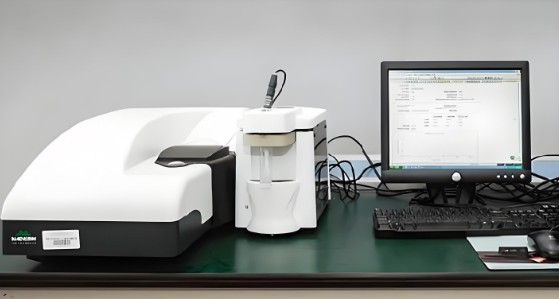
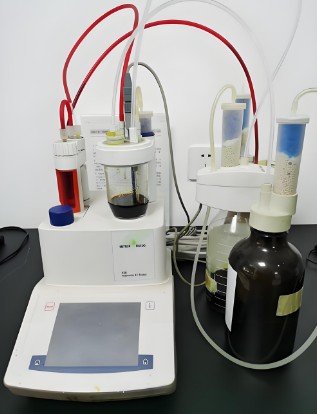
The temperature‑controlled immersion baths, electrochemical‑corrosion cells, inductively coupled plasma mass spectrometers, scanning‑electron microscopes and mechanical‑test frames in our facility accommodate a vast variety of implantable and patient‑contacting materials and finished devices. The following categories represent the most frequently tested items:
- Orthopaedic and spinal implants – titanium and cobalt‑chromium alloy hip stems, acetabular cups, knee‑femoral components, intervertebral fusion cages, bone screws and fracture‑fixation plates
- Cardiovascular stents and guidewires – bare‑metal and drug‑eluting coronary and peripheral stents, vena‑cava filters, embolisation coils and pacemaker lead conductors, evaluated for the metal‑ion release and the pitting‑corrosion resistance in the simulated blood‑plasma electrolyte
- Dental restorative materials and orthodontic appliances – amalgam, composite resins, glass‑ionomer cements, ceramic crowns, titanium implant abutments, nickel–titanium archwires and stainless‑steel brackets, immersed in the artificial saliva or the Fusayama‑Meyer solution
- Wound‑closure and soft‑tissue repair devices – surgical sutures, hernia meshes, tissue anchors and haemostatic clips, evaluated for the degradation‑induced change in the tensile strength and the foreign‑body‑reaction potential
- Urological and gastrointestinal implants – ureteral stents, prostatic stents, biliary stents and enteral feeding tubes, tested in the simulated urine or the simulated intestinal fluid for the encrustation, the biofilm formation and the polymer‑additive leaching
- Surface‑modified and coated implant materials – hydroxyapatite‑coated, titanium‑plasma‑sprayed, anodised and drug‑eluting surfaces on the metallic or the polymeric substrates, characterised for the coating‑dissolution rate and the substrate‑ion release through the coating defects
- Ophthalmic and contact‑lens materials – intraocular lenses, scleral buckles and contact‑lens polymers, immersed in the simulated aqueous humour or the simulated tear fluid for the assessment of the surface‑wettability change and the extractable‑cytotoxicity
Immersion Testing and Degradation Analysis in Simulated Body Fluids – In Vitro Simulation According to ISO 10993‑15 and ASTM F2129
- Static immersion and the accelerated degradation test according to ISO 10993‑15 (Biological evaluation of medical devices – Part 15: Identification and quantification of degradation products from metals and alloys) and the analogous ASTM F2129 (Standard Test Method for Conducting Cyclic Potentiodynamic Polarization Measurements to Determine the Corrosion Susceptibility of Small Implant Devices): the test article is immersed in a precisely formulated simulated body fluid – such as the Kokubo simulated body fluid, the phosphate‑buffered saline, the Hank’s balanced salt solution or the custom‑specified protein‑containing electrolyte – at the controlled temperature of 37 °C ± 1 °C for a defined period, typically 7, 28 or 90 days. The immersion solution is sampled at the intervals and analysed by the inductively coupled plasma mass spectrometry or the optical emission spectrometry for the concentration of the dissolved metal ions – titanium, aluminium, vanadium, cobalt, chromium, nickel and molybdenum – and the total mass loss of the specimen is determined gravimetrically. This in vitro simulation experiment of body fluids provides the primary degradation‑product dataset that the toxicological risk assessor uses to calculate the margin of safety for the implant.
- Potentiodynamic polarisation and the electrochemical impedance spectroscopy for the corrosion‑resistance evaluation according to ASTM F2129 and the internal protocols: the specimen is mounted as the working electrode in a three‑electrode cell containing the de‑aerated simulated body fluid at 37 °C, and the open‑circuit potential, the pitting potential, the corrosion current density and the polarisation resistance are measured. The pitting‑corrosion resistance and the susceptibility to the crevice corrosion under the simulated physiological conditions are reported, providing the data that the design engineer uses to select the correct alloy and the surface‑finish for the permanent implant.
- Long‑term semi‑static and the flow‑through immersion for the simulation of the vascular and the urinary‑tract dynamics: the simulated body fluid is continuously perfused through or across the test article at a controlled flow rate that mimics the blood‑flow shear stress or the urine‑flow velocity, and the cumulative ion release and the degradation‑product morphology are evaluated, providing the more physiologically relevant simulation than the static immersion for the stents, the catheters and the prosthetic heart valves.
- Influence of the pH, the protein content and the complexing agents on the degradation behaviour: the immersion test is repeated in the simulated body fluids that are acidified to the pH 5.0 to simulate the local‑inflammation or the infection‑site conditions, or that are supplemented with the albumin, the fibrinogen or the citrate to assess the effect of the protein binding and the chelation on the metal‑ion release, yielding the worst‑case and the realistic‑use degradation profiles.
- Surface characterisation after the immersion – the scanning‑electron‑microscopy, the energy‑dispersive‑X‑ray‑spectroscopy and the X‑ray‑photoelectron‑spectroscopy analysis: the specimen surface is examined for the pitting, the crevice‑corrosion, the coating‑delamination and the calcium‑phosphate precipitation, and the elemental composition of the corrosion product and the surface oxide layer is determined, providing the mechanistic understanding of the degradation process that is observed in the in vitro simulation experiment of body fluids.
Mechanical Integrity and Functional Performance After Body Fluid Exposure – In Vitro Simulation Experiment of Body Fluids for Load‑Bearing Implants
- Residual tensile, the compressive and the fatigue strength after the prolonged immersion in the simulated body fluid according to the internal protocols and the relevant ASTM and ISO mechanical‑test standards: the implant or the test coupon is immersed for a specified period and then subjected to the monotonic or the cyclic loading. The percentage retention of the yield strength, the ultimate tensile strength, the elongation and the fatigue‑endurance limit relative to the un‑immersed control are reported, quantifying the environmentally assisted degradation of the mechanical properties that could lead to the premature implant fracture.
- Fretting‑corrosion and the mechanically assisted crevice‑corrosion testing of the modular implant junctions: the head‑neck taper junction of a hip prosthesis or the screw‑plate interface of a fracture‑fixation device is subjected to a controlled cyclic micro‑motion while being immersed in the simulated body fluid, and the evolution of the corrosion current, the metal‑ion release and the wear‑debris generation are measured, providing the data that the orthopaedic‑implant designer uses to minimise the risk of the adverse local tissue reaction and the trunnionosis.
- Coating‑adhesion and the delamination resistance after the immersion: the hydroxyapatite‑coated or the porous‑metal‑coated implant is subjected to the tensile‑adhesion, the shear or the scratch test after the immersion, and the retention of the coating‑substrate bond strength is reported, verifying that the coating will not detach during the early post‑operative period.
- Wear‑particle generation and the analysis of the debris in the simulated joint fluid: the hip or the knee wear simulator is operated with the protein‑containing simulated synovial fluid, and the size, the morphology and the total mass of the generated wear particles are characterised, providing the essential input for the assessment of the osteolytic potential of the implant.
Ion Release Kinetics, Biocompatibility and Risk Assessment – Data Integration from the In Vitro Simulation Experiment of Body Fluids
- Construction of the ion‑release‑versus‑time curve and the estimation of the cumulative weekly and the lifetime systemic exposure: the concentration of each released element at each sampling time‑point is used to calculate the cumulative mass of the ion that is released per unit surface area of the implant, and the result is extrapolated to the expected implant service life, providing the daily or the weekly systemic‑exposure dose that is compared with the toxicological threshold values from the literature or the regulatory guidelines.
- In‑vitro cytotoxicity testing of the immersion extracts according to ISO 10993‑5 (Biological evaluation of medical devices – Part 5: Tests for in vitro cytotoxicity): the simulated body fluid that has been in contact with the test article is applied to the L‑929 murine fibroblast monolayer, and the cell viability, the membrane integrity and the metabolic activity are measured, providing the direct link between the degradation‑product release and the acute cellular toxicity that is required for the biological evaluation report.
- Genotoxicity and the sensitisation testing of the body‑fluid extracts: where the ion‑release profile indicates a potentially mutagenic or a sensitising element – such as the nickel or the cobalt – the extract is subjected to the bacterial reverse‑mutation assay (Ames test) according to OECD 471 and to the in‑vitro skin‑sensitisation assay, providing the comprehensive safety data that the notified body reviews during the conformity assessment.
- Correlation of the in‑vitro ion release with the clinical‑retrieval and the literature data: the laboratory‑measured degradation rate is compared with the published ion‑release data from the retrieved implants of the same material and the design, and the acceleration factor of the in‑vitro test relative to the in‑vivo degradation is estimated, validating the relevance of the in vitro simulation experiment of body fluids and supporting the regulatory acceptance of the test.
Report Acceptance and Global Regulatory Compliance
All measurements performed within our in vitro simulation experiment of body fluids programme are executed under the fully accredited scope of our ISO/IEC 17025 quality management system. Each test report that carries the ILAC mark is therefore automatically recognised by regulatory authorities, notified bodies, customs offices and supply‑chain partners in all major economies. For medical‑device manufacturers, orthopaedic‑implant producers, dental‑material suppliers and biomaterials researchers anywhere in the world, the report constitutes legally robust, internationally accepted evidence that the corrosion resistance, the degradation rate, the ion release, the mechanical‑property retention and the surface stability in the simulated body fluids have been determined in accordance with the applicable ISO, ASTM and customer‑specified methods. The documentation can be directly used to support the CE marking under the Medical Device Regulation, the FDA pre‑market notification or approval, the issue of inspection certificates according to EN 10204 or equivalent national standards, and the resolution of commercial and technical disputes concerning the biocompatibility and the long‑term durability of any implantable or patient‑contacting medical device.