
ICP-MS Testing Service – Accredited Ultra‑Trace Elemental and Isotopic Analysis for Global Markets
Our internationally accredited laboratory delivers a specialist ICP-MS testing service that provides environmental agencies, pharmaceutical manufacturers, food processors, mining companies, semiconductor fabricators and clinical researchers worldwide with the most sensitive, multi‑element and isotopic analytical data commercially available. Every measurement is performed within the strict framework of ISO/IEC 17025, and each report bearing the ILAC mark is unconditionally accepted by regulatory authorities, customs offices and notified bodies in all major economies. ICP-MS testing service combines the high‑temperature ionisation of an inductively coupled plasma with the mass separation of a quadrupole, time‑of‑flight or sector‑field analyser, achieving detection limits in the sub‑nanogram‑per‑litre range for most elements of the periodic table. For a pharmaceutical company quantifying elemental impurities to satisfy ICH Q3D, a drinking‑water utility monitoring arsenic and lead at the parts‑per‑trillion level, or a geochemical laboratory determining rare‑earth elements in mineral digests, our platform delivers the legally robust, defensible data that underpin product registration, environmental compliance and international trade.
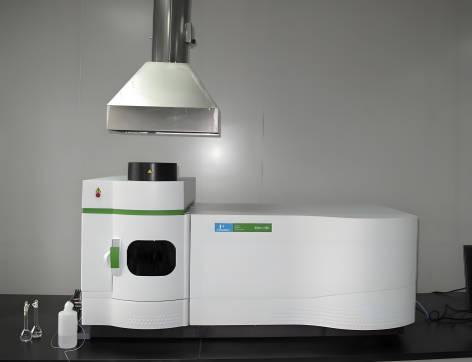
Product Samples We Regularly Analyze Using Our ICP-MS Testing Service
The sample‑introduction systems, collision‑reaction cells and high‑resolution modes of our ICP‑MS instruments accept a vast variety of aqueous, organic and digested solid matrices. The following categories represent the materials most frequently tested:
- Environmental waters and wastewaters – drinking water, surface water, groundwater, seawater, industrial effluents, landfill leachates and acid‑mine drainage
- Soils, sediments and solid wastes – contaminated land samples, dredged sediments, sewage sludge, fly ash, incinerator bottom ash and mine tailings
- Pharmaceuticals and biopharmaceuticals – active pharmaceutical ingredients, excipients, water for injection, cell‑culture media and finished drug products
- Food, beverages and animal feeds – cereals, vegetables, fruit, dairy products, seafood, infant formula, wine, edible oils and pet food
- Petroleum, fuels and lubricants – crude oil, gasoline, diesel, biodiesel, lubricating oils and fuel‑ethanol blends
- Geological and mining samples – lithium brines, rare‑earth mineral digests, copper‑gold concentrates and whole‑rock digests
- Semiconductor‑grade chemicals and process media – ultrapure water, hydrogen peroxide, sulfuric acid, tetramethylammonium hydroxide and isopropyl alcohol
- Clinical and forensic specimens – whole blood, serum, urine, hair, tissue biopsies and gunshot‑residue swabs
Environmental Waters, Soils and Wastes – ICP-MS Testing Service for Regulatory Compliance and Pollution Monitoring
- Ultra‑trace multi‑element determination in drinking water, groundwater and wastewater according to EPA Method 200.8, EPA Method 6020B and ISO 17294‑2: the acidified sample is introduced directly into the plasma, and the ions are separated by mass‑to‑charge ratio. Elements including arsenic, cadmium, chromium, lead, mercury, nickel, selenium, antimony, beryllium, thallium and uranium are quantified with detection limits as low as 0.01 µg/L. This ICP-MS testing service enables water utilities and environmental agencies to demonstrate compliance with the WHO Guidelines for Drinking‑water Quality, the EU Drinking Water Directive and the US Safe Drinking Water Act.
- Determination of heavy metals and metalloids in soils, sediments and solid wastes after acid digestion according to EPA Method 3050B, EPA Method 3051A and EN 13656: the dried and sieved sample is digested with nitric acid, aqua regia or a mixture of nitric, hydrochloric and hydrofluoric acids. The extract is analysed by ICP‑MS, and the concentrations of cadmium, copper, lead, zinc, arsenic, chromium, nickel and mercury are reported in milligrams per kilogram, supporting contaminated‑land risk assessment and the classification of wastes.
- Leachability and speciation tests for hazardous‑waste characterisation: the sample is subjected to standardised batch or column leaching tests according to EN 12457‑2 or the Toxicity Characteristic Leaching Procedure, and the eluate is analysed by ICP‑MS. The data are used for the acceptance of waste at landfills, the assessment of construction‑product leaching and the demonstration of compliance with the EU Landfill Directive.
- Determination of rare‑earth elements, thorium and uranium in mineral processing residues and naturally occurring radioactive materials: the sample is fused or digested, and the elements are analysed by ICP‑MS using collision‑reaction technology to eliminate polyatomic interferences on the light rare‑earth elements. The concentrations support the environmental impact assessment of mining and mineral‑processing operations.
Pharmaceuticals, Excipients and Biopharmaceuticals – ICP-MS Testing Service for Elemental Impurities According to ICH Q3D and Pharmacopoeial Methods
- Determination of elemental impurities in drug products, active pharmaceutical ingredients and excipients according to USP ⟨232⟩, USP ⟨233⟩, Ph. Eur. 2.4.20 and ICH Q3D: the sample is dissolved in a suitable solvent or digested in a closed‑vessel microwave system. The concentrations of Class 1 (arsenic, cadmium, mercury, lead), Class 2A (cobalt, nickel, vanadium) and Class 2B elements are measured by ICP‑MS against matrix‑matched calibration standards. The results in micrograms per gram are compared with the permitted daily exposure limits, and the report provides the legally required data for the registration of new drug products with the FDA, EMA and other global health authorities.
- Analysis of elemental impurities in water for injection, purified water and haemodialysis fluids: the sample is analysed directly or after pre‑concentration, and the concentrations of aluminium, calcium, magnesium, iron, zinc, copper, lead and other elements are reported. The data support compliance with the monographs of the European Pharmacopoeia and the United States Pharmacopeia for pharmaceutical waters.
- Monitoring of trace‑element contaminants in cell‑culture media and biopharmaceutical formulations: copper, zinc, iron, manganese, selenium, molybdenum and other essential and toxic elements are quantified by ICP‑MS. The data are used to optimise the medium composition for monoclonal‑antibody production and to ensure that the final product is free from elemental impurities that could affect stability or patient safety.
- Determination of catalyst residues – palladium, platinum, rhodium and ruthenium – in active pharmaceutical ingredients: the sample is digested with aqua regia or microwave‑assisted acid dissolution, and the precious‑metal residues are quantified with detection limits below 0.01 µg/g. This ICP-MS testing service supports the demonstration of compliance with the stringent limits for metal catalysts set by the ICH Q3D guideline.
Food, Beverages and Animal Feeds – ICP-MS Testing Service for Trace Elements, Nutritional Labelling and Contaminant Surveillance
- Determination of essential and trace elements in foodstuffs and dietary supplements according to EN 15763, EN 15505 and AOAC Official Methods: the homogenised sample is digested in a microwave system with nitric acid and hydrogen peroxide, and the solution is analysed by ICP‑MS. Sodium, potassium, calcium, magnesium, iron, zinc, copper, manganese, selenium, chromium, molybdenum and iodine are quantified, providing the data for nutrition‑fact panels and the verification of the declared levels of minerals in fortified foods and supplements.
- Screening of heavy‑metal contaminants in fruits, vegetables, cereals, seafood and infant formula according to Commission Regulation (EC) No 1881/2006 and the US FDA action levels: lead, cadmium, mercury and arsenic are determined at the maximum permissible levels, and the data are used by importers and exporters to demonstrate compliance with the strictest food‑safety regulations and to prevent costly border rejections.
- Speciation of arsenic and mercury in seafood, rice and food products by HPLC‑ICP-MS: the toxic inorganic arsenic and methylmercury species are separated on an ion‑exchange column and quantified by ICP‑MS. This ICP-MS testing service provides the species‑specific data that risk assessors require, as the toxicity of arsenic and mercury depends critically on the chemical form present in the food.
- Multi‑element fingerprinting of wines, spirits and fruit juices for authenticity and geographical‑origin verification: a panel of major and trace elements is measured by ICP‑MS, and the multi‑element profile is compared with a reference database using multivariate statistics. The test detects adulteration, mislabelling of the variety or false claims of origin, protecting brand value and consumer confidence.
Petroleum, Fuels and Industrial Chemicals – ICP-MS Testing Service for Wear Metals and Contaminants
- Determination of wear metals, additives and contaminants in lubricating oils by ICP‑MS according to ASTM D5185 and customer‑specific procedures: the oil sample is diluted with an organic solvent and introduced directly into the plasma through a specialised sample‑introduction system. Iron, aluminium, copper, lead, tin, nickel, chromium, silver, titanium, vanadium, sodium, potassium, calcium, phosphorus, zinc and molybdenum are quantified, providing the condition‑monitoring data that fleet operators, power‑generation utilities and mining companies use to schedule maintenance and to detect abnormal wear.
- Analysis of nickel, vanadium, sulfur and trace metals in crude oil and heavy fuel oils: the sample is ashed or digested, and the elements that cause corrosion, catalyst poisoning and air‑pollutant emissions are determined by ICP‑MS. The data support crude‑oil blending, refinery process control and compliance with the IMO 2020 sulfur cap and other fuel‑quality regulations.
- Ultra‑trace impurity analysis in electronic‑grade chemicals and ultrapure water according to SEMI C63 and ASTM D5127: the sample is analysed in a clean‑room environment using a pre‑concentration system, and the concentrations of more than thirty elements are reported at the low parts‑per‑trillion level. This ICP-MS testing service is critical for the quality control of chemicals used in semiconductor manufacturing.
- Determination of sulfur, phosphorus and heavy metals in biofuel ethanol and biodiesel: the fuel is diluted and analysed directly or after acid digestion, and the concentrations of the elements that can foul fuel cells, poison exhaust catalysts or cause injector deposits are reported against the limits of EN 14214 and ASTM D6751.
Geological, Mining and Industrial Mineral Samples – ICP-MS Testing Service for Exploration, Grade Control and Resource Estimation
- Assay of base metals, precious metals and rare‑earth elements in ores, concentrates and mineral sands: the sample is fused with lithium metaborate or digested by multi‑acid attack, and the solution is analysed by ICP‑MS. The concentrations of gold, silver, platinum, palladium, copper, lead, zinc, nickel, cobalt, lanthanides and yttrium are reported, supporting the resource‑estimation codes of the JORC, NI 43‑101 and SAMREC.
- Lithium brine and evaporite analysis for the battery‑materials industry: lithium, potassium, magnesium, calcium, boron, strontium and the relevant trace elements are determined in brine samples by ICP‑MS and ICP‑OES, providing the complete ionic‑balance data that lithium producers require to design their extraction processes and to certify the grade of the lithium‑carbonate or lithium‑hydroxide product.
- Geochemical exploration and pathfinder‑element mapping: a suite of elements including gold, arsenic, antimony, bismuth, mercury, thallium, molybdenum, selenium and tellurium is determined at ultra‑trace levels in soils, stream sediments and vegetation ash, delineating the geochemical haloes that guide exploration drilling programmes.
- Characterisation of high‑purity quartz and industrial minerals: the concentrations of aluminium, iron, titanium, lithium, boron, phosphorus and other critical impurities are measured by ICP‑MS after dissolution or fusion, supporting the qualification of quartz for photovoltaic, semiconductor and optical applications.
Report Acceptance and Global Regulatory Compliance
All analyses performed within our ICP-MS testing service are executed under the fully accredited scope of our ISO/IEC 17025 quality management system. Each test report that carries the ILAC mark is therefore automatically recognised by regulatory authorities, notified bodies, customs offices and supply‑chain partners in all major economies. For environmental laboratories, pharmaceutical manufacturers, food‑safety agencies, mining companies, petroleum refiners and semiconductor fabricators anywhere in the world, the report constitutes legally robust, internationally accepted evidence that the elemental and isotopic composition of the sample has been determined in accordance with the applicable EPA, ISO, ASTM, USP, Ph. Eur. and customer‑specified methods. The documentation can be directly used for regulatory submissions, product certification, import‑export clearance, the issue of inspection certificates according to EN 10204 or equivalent national standards, and the resolution of commercial and technical disputes concerning the presence and concentration of trace elements in any material.




