Guinea Pig Sensitization Reaction Maximum Dose Method – Accredited Skin Sensitization Testing for Global Markets
Our internationally accredited laboratory provides a dedicated Guinea pig sensitization reaction maximum dose method service that enables manufacturers of medical devices, pharmaceutical products, cosmetic ingredients, consumer goods and industrial chemicals worldwide to independently evaluate the skin sensitization potential of their materials and formulations. Every study is conducted under the rigorous framework of ISO/IEC 17025, and each report bearing the ILAC mark is unconditionally accepted by regulatory authorities, notified bodies and supply‑chain partners in all major economies. The Guinea pig sensitization reaction maximum dose method, widely known as the Guinea Pig Maximization Test (GPMT) or the Magnusson‑Kligman method, employs intradermal and topical induction with Freund’s Complete Adjuvant to create a highly sensitive model for detecting even weak contact allergens. By precisely evaluating the erythema and oedema responses following a challenge application, we provide the legally robust, defensible data that underpin the hazard classification, the safety‑data‑sheet authoring and the biocompatibility assessment required by the EU Medical Device Regulation, the REACH Regulation, the OECD Test Guidelines and the ISO 10993 series.
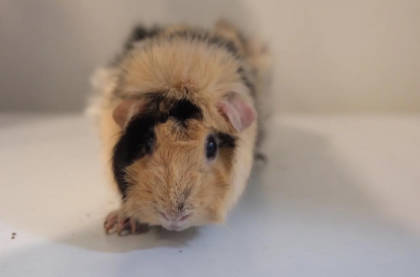
Product Samples We Regularly Subject to the Guinea Pig Sensitization Reaction Maximum Dose Method
The animal‑housing facility, the intradermal‑injection stations, the dermal‑application chambers and the histopathology suite in our laboratory accommodate a broad variety of test articles. The following categories represent the most frequently tested items:
- Medical‑device materials and extracts – the polar and the non‑polar extracts of the polymer tubing, the catheter materials, the wound dressings, the surgical drapes and the implantable device housings, tested according to ISO 10993‑10
- Cosmetic ingredients and finished formulations – the fragrances, the preservatives, the surfactants, the plant extracts, the creams, the lotions and the hair dyes that must be classified for their skin‑sensitization potential under the EU Cosmetics Regulation
- Pharmaceutical excipients and topical drug products – the creams, the ointments, the gels and the transdermal patches that are applied to the intact or the compromised skin, evaluated for the delayed‑type hypersensitivity
- Industrial chemicals, solvents and lubricants – the metal‑working fluids, the epoxy resins, the acrylate monomers, the polyurethane prepolymers and the cleaning agents that are subject to the REACH and the Globally Harmonized System classification
- Textiles, leather goods and consumer articles – the dyed fabrics, the footwear materials, the glove leather and the toy coatings that come into the prolonged or the repeated contact with the human skin
Guinea Pig Maximization Test Procedure According to OECD TG 406 and ISO 10993‑10
- Induction phase – intradermal and topical application with the Freund’s Complete Adjuvant according to OECD Test Guideline 406 (Skin Sensitisation – Guinea Pig Maximisation Test and Buehler Test) and ISO 10993‑10 (Biological evaluation of medical devices – Part 10: Tests for skin sensitization): the test article, diluted in an appropriate vehicle, is injected intradermally into the shaved dorsal skin of the albino guinea pigs, both with and without the Freund’s Complete Adjuvant. One week later, the injection site is pre‑treated with the sodium lauryl sulfate to enhance the penetration, and the test article is applied topically under an occlusive dressing for a 48‑hour period. This Guinea pig sensitization reaction maximum dose method uses the maximum non‑irritating concentration at every stage to maximise the sensitivity of the induction and to ensure that even the substances with a low sensitization potential are reliably detected.
- Challenge phase – dermal application and the elicitation of the allergic response: two weeks after the completion of the induction phase, the test article is applied topically to a previously untreated flank of each animal under an occlusive dressing for 24 hours. The challenge concentration is selected as the highest non‑irritating level that does not cause the false‑positive reactions in the control group. The application sites are scored for the erythema and the oedema at the 24‑, 48‑ and 72‑hour time‑points after the removal of the dressing, using the standardised Magnusson‑Kligman grading scale of 0 to 3.
- Positive‑ and negative‑control groups: a known sensitiser, such as the 2,4‑dinitrochlorobenzene or the p‑phenylenediamine, is used as the positive control to demonstrate the responsiveness of the animal model and the reliability of the test system. The vehicle‑only negative‑control group provides the baseline for the discrimination of the irritant from the allergic reactions. The test is considered valid only if the positive‑control group achieves a sensitization rate of at least 30 %, and if no more than an occasional, minimal reaction is observed in the negative‑control group.
- Determination of the sensitization rate and the classification of the test article: the number of the animals that exhibit a positive allergic reaction (a score of ≥ 1 at any observation time‑point) is divided by the total number of the animals in the test group, and the sensitization rate is reported as a percentage. Based on the sensitization rate and the severity of the reactions, the test article is classified according to the Globally Harmonized System as a Category 1 skin sensitiser (Sub‑category 1A or 1B) or as a non‑sensitiser. This Guinea pig sensitization reaction maximum dose method provides the definitive in‑vivo evidence that is required for the hazard labelling, the safety‑data‑sheet and the conformity assessment of the medical device.
- Body‑weight, clinical‑observation and the gross‑necropsy monitoring: the animals are weighed at the start, during and at the termination of the study, and the daily clinical observations are recorded. At the end of the experiment, the major organs are examined for the gross pathological changes, and any systemic toxicity or the unexpected adverse effect of the test article is documented, ensuring that the observed skin reactions are the true immune‑mediated responses and not the consequence of the systemic toxicity.
Report Acceptance and Global Regulatory Compliance
All studies performed within our Guinea pig sensitization reaction maximum dose method service are executed under the fully accredited scope of our ISO/IEC 17025 quality management system. Each test report that carries the ILAC mark is therefore automatically recognised by regulatory authorities, notified bodies, customs offices and supply‑chain partners in all major economies. For medical‑device manufacturers, cosmetic‑product registrants, chemical‑substance exporters and pharmaceutical developers anywhere in the world, the report constitutes legally robust, internationally accepted evidence that the skin‑sensitization potential of the test article has been evaluated in accordance with the OECD TG 406, the ISO 10993‑10 and the customer‑specified methods. The documentation can be directly used to support the CE marking under the Medical Device Regulation or the In Vitro Diagnostic Medical Devices Regulation, the REACH registration, the cosmetic‑product safety assessment, the issue of inspection certificates according to EN 10204 or equivalent national standards, and the resolution of commercial and technical disputes concerning the allergenicity and the dermal safety of any product or material.