
GC-MS Testing Service – Accredited Identification and Quantification of Volatile and Semi‑Volatile Compounds for Global Markets
Our internationally accredited laboratory delivers a comprehensive GC-MS testing service that provides environmental agencies, pharmaceutical manufacturers, food‑safety laboratories, forensic investigators, petrochemical refiners and consumer‑product companies worldwide with the definitive analytical data they need to identify unknown organic compounds, quantify trace‑level contaminants and validate product purity. Every analysis is performed within the rigorous framework of ISO/IEC 17025, and each report bearing the ILAC mark is unconditionally accepted by regulatory authorities, customs offices and notified bodies in all major economies. The GC-MS testing service couples the high‑resolution separation power of capillary gas chromatography with the structural elucidation capability of mass spectrometry, enabling the simultaneous identification and quantification of hundreds of volatile and semi‑volatile organic substances in a single analytical run. By employing electron‑impact and chemical‑ionisation sources, quadrupole and triple‑quadrupole mass analysers, headspace samplers, thermal‑desorption units and purge‑and‑trap concentrators, we provide our global clients with the legally robust, defensible data that support pharmacopoeial compliance, environmental‑discharge permits, food‑safety certifications and the investigation of complex forensic cases.
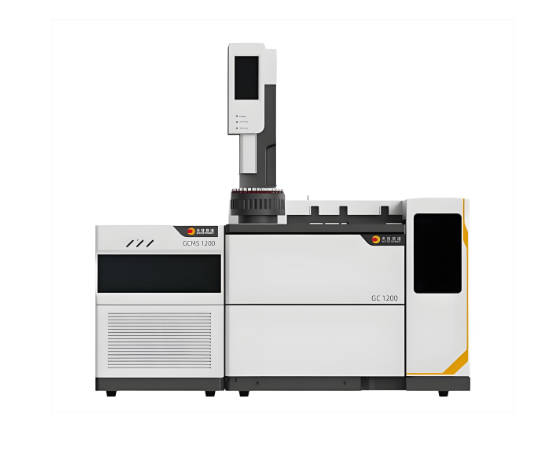
Product Samples We Regularly Subject to GC-MS Testing
The versatile inlet systems and the extensive spectral libraries of our GC‑MS platform accept an extraordinarily wide range of sample types. The following categories represent the materials most frequently analysed through our GC-MS testing service:
- Environmental waters and wastewaters – drinking water, surface water, groundwater, industrial effluents, landfill leachates and seawater
- Soils, sediments and solid wastes – contaminated land samples, dredged sediments, sludge, compost and waste‑derived fuels
- Food, beverages and agricultural products – cereals, fruits, vegetables, meat, fish, dairy products, edible oils, wine, beer, spices and infant formula
- Pharmaceuticals and medical devices – active pharmaceutical ingredients, excipients, finished dosage forms, residual solvents and ethylene‑oxide‑sterilised devices
- Forensic and toxicological samples – blood, urine, oral fluid, hair, post‑mortem tissues, fire debris, illicit drugs and questioned documents
- Petroleum, fuels and petrochemicals – crude oil, gasoline, diesel, jet fuel, LPG, lubricating oils, biodiesel and fuel‑ethanol blends
- Cosmetics and personal‑care products – perfumes, creams, lotions, hair dyes, nail varnishes and sunscreens
- Polymers, plastics and packaging materials – residual monomers, plasticisers, antioxidants, flame retardants and volatile migrants from food‑contact materials
Environmental Water, Soil and Air Analysis – GC-MS Testing Service for VOCs, SVOCs, Pesticides and Disinfection By‑Products
- Determination of volatile organic compounds in water and wastewater by purge‑and‑trap GC‑MS according to EPA Method 524.3, EPA Method 8260D and ISO 10301: the sample is purged with an inert gas, and the volatiles are trapped on a sorbent, thermally desorbed and separated on a capillary column. Compounds such as benzene, toluene, ethylbenzene, xylenes, trichloroethylene, tetrachloroethylene, vinyl chloride and methyl‑tert‑butyl ether are identified and quantified with detection limits in the low parts‑per‑billion range. This GC-MS testing service provides the legally mandated data that water utilities and environmental agencies require to demonstrate compliance with the EU Drinking Water Directive, the US Safe Drinking Water Act and the WHO Guidelines for Drinking‑water Quality.
- Semi‑volatile organic compounds, polynuclear aromatic hydrocarbons and phthalates in soil and sediment by GC‑MS according to EPA Method 8270E and ISO 18287: the dried sample is extracted with a solvent, concentrated and analysed in full‑scan or selected‑ion‑monitoring mode. Benzo[a]pyrene, naphthalene, phenanthrene, di(2‑ethylhexyl)phthalate and over one hundred other compounds are quantified, supporting contaminated‑land risk assessment and the characterisation of dredged sediments.
- Organochlorine, organophosphorus and triazine pesticides in food, feed and environmental matrices by GC‑MS/MS according to EN 15662 (QuEChERS) and AOAC Official Method 2007.01: the homogenised sample is extracted with acetonitrile, cleaned by dispersive solid‑phase extraction and analysed by tandem mass spectrometry. Multiple reaction monitoring transitions provide the sensitivity and selectivity required to confirm and quantify over two hundred pesticides at the maximum residue limits set by Codex Alimentarius and the EU, US and Japanese regulations.
- Trihalomethanes, haloacetic acids and nitrosamines in drinking water by GC‑ECD and GC‑MS according to EPA Methods 551.1, 552.3 and 521: the disinfection by‑products are extracted or derivatised, separated on a polar column and detected with an electron‑capture or mass‑selective detector. The concentrations of chloroform, bromodichloromethane, dibromochloromethane, bromoform and N‑nitrosodimethylamine are reported, enabling compliance with the strict limits set for these carcinogenic compounds.
- Volatile organic emissions from construction products and building materials by emission‑test‑chamber GC‑MS according to ISO 16000‑6 and EN 16516: the material is placed in a controlled‑atmosphere chamber, and the emitted VOCs are collected on Tenax tubes and analysed by thermal‑desorption GC‑MS. The concentrations are reported in micrograms per cubic metre, supporting CE marking under the Construction Products Regulation and the certification of low‑emission products for green‑building schemes.
Pharmaceutical, Chemical and Polymer Industries – GC-MS Testing Service for Residual Solvents, Impurities and Monomers
- Determination of residual solvents in pharmaceuticals according to USP ⟨467⟩, Ph. Eur. 2.4.24 and ICH Q3C: the sample is dissolved in a suitable solvent or equilibrated in a headspace vial, and the volatile organic impurities are separated on a capillary column and detected by MS. Class 1 solvents such as benzene and carbon tetrachloride, Class 2 solvents such as methanol, acetonitrile, dichloromethane and toluene, and Class 3 solvents such as ethanol and acetone are identified and quantified. This GC-MS testing service provides the mandatory batch‑release data required by the FDA, EMA and other global health authorities to ensure that the medicine is safe for patient use.
- Purity and impurity profiling of active pharmaceutical ingredients and chemical intermediates by GC‑MS: the percentage of the main component and the concentrations of process‑related impurities, degradation products and isomers are determined. The method is validated for specificity, linearity and precision, and the results support the registration of new drug substances and the quality control of fine chemicals.
- Residual monomers, oligomers and additives in polymers and food‑contact materials: the polymer is dissolved, precipitated or subjected to headspace or thermal‑desorption GC‑MS. Residual styrene, acrylonitrile, vinyl chloride, butadiene, bisphenol A, phthalates and slip agents are quantified against specific migration limits defined in Commission Regulation (EU) No 10/2011 on plastic materials intended to come into contact with food.
- Analysis of essential oils, fragrances and natural extracts by GC‑MS according to ISO 7609 and the protocols of the International Fragrance Association: the oil is diluted and injected directly. The relative percentage of each terpene, ester, aldehyde and alcohol constituent is reported, and the chromatographic fingerprint is compared with a reference standard to verify the botanical origin and to detect adulteration with synthetic aroma chemicals.
Food, Beverage and Consumer Product Safety – GC-MS Testing Service for Contaminants, Authenticity and Allergens
- Determination of fatty acid methyl esters in biodiesel and diesel‑biodiesel blends according to EN 14103 and ASTM D6584: the fuel is derivatised if necessary, and the individual fatty acid methyl esters – palmitate, stearate, oleate, linoleate and linolenate – are separated on a polar column and quantified. The total ester content, the linolenic acid methyl ester limit and the content of free and bound glycerol are reported, supporting compliance with EN 14214 and ASTM D6751.
- Screening of cosmetic and personal‑care products for fragrance allergens according to the EU Cosmetics Regulation (EC) No 1223/2009 and the SCCS Notes of Guidance: the 24 volatile fragrance allergens listed in Annex III of the Regulation – including limonene, linalool, citronellol, geraniol, coumarin and eugenol – are quantified by GC‑MS after extraction or headspace sampling. The results support the labelling of allergenic fragrances on cosmetic products sold in the EU, the EEA and many other markets that have adopted the EU model.
- Determination of nicotine, propylene glycol, glycerol and flavour components in e‑liquids by GC‑FID and GC‑MS: the liquid is diluted and injected directly. The nicotine content, the ratio of propylene glycol to glycerol, and the identity and concentration of the declared flavourings are reported, supporting compliance with the EU Tobacco Products Directive and the US FDA deeming regulations for electronic nicotine‑delivery systems.
- Detection of melamine, urea and other nitrogenous adulterants in dairy products and animal feeds: characteristic mass‑spectral fragments of the adulterant are identified in the GC‑MS spectrum, and the concentration is estimated. The method served as a rapid screening tool during the global melamine crisis and remains a key component of the food‑safety surveillance programmes implemented by importing countries.
Forensic, Toxicological and Fire‑Debris Analysis – GC-MS Testing Service for the Criminal Justice System
- Fire‑debris analysis and identification of ignitable liquids according to ASTM E1618 and ASTM E1412: the debris is heated in a sealed container, and the headspace vapours are adsorbed onto an activated‑charcoal strip, then eluted with a solvent and analysed by GC‑MS. The chromatographic pattern is compared with reference chromatograms of gasoline, diesel, kerosene, charcoal lighter fluid and other accelerants, and the presence or absence of an ignitable liquid is reported. Our GC-MS testing service is accredited for forensic applications, and the report is admissible as expert evidence in criminal and civil proceedings.
- Blood‑alcohol and toxicological screening by headspace GC‑FID and GC‑MS: ethanol, methanol, acetone and other volatiles in whole blood, serum or urine are quantified by headspace GC with dual‑column confirmation. The chain of custody is maintained throughout, and the results meet the evidential standards of forensic toxicology laboratories worldwide.
- Identification of drugs of abuse and their metabolites in urine, blood and oral fluid by GC‑MS: the sample is hydrolysed if necessary, extracted and derivatised. Amphetamines, opiates, cocaine, cannabinoids and benzodiazepines are identified and quantified, meeting the cut‑off levels of the European Workplace Drug Testing Society and the Substance Abuse and Mental Health Services Administration.
- Analysis of gunshot residue and explosive traces by GC‑MS: organic constituents of smokeless powder – nitroglycerin, diphenylamine, ethyl centralite and dibutyl phthalate – are extracted from swabs and identified by GC‑MS, providing the objective forensic evidence that links a suspect to a firearm or an explosive device.
Petroleum, Fuels and Industrial Chemicals – Detailed Hydrocarbon Analysis and Contaminant Profiling
- Determination of individual hydrocarbons in gasoline and gasoline‑blending streams by GC according to ASTM D6730 and EN 15199 (detailed hydrocarbon analysis): the fuel is injected onto a high‑resolution capillary column, and the flame‑ionisation detector response is calibrated against a known reference blend. The concentrations of paraffins, isoparaffins, olefins, naphthenes and aromatics, including benzene, toluene, ethylbenzene and xylenes, are reported in mass or volume percent. This GC-MS testing service provides the compositional data required for fuel‑quality certification, refinery process control and compliance with the Clean Air Act and the EU Fuel Quality Directive.
- Simulated distillation of crude oil, middle distillates and heavy fractions according to ASTM D2887, ASTM D7213 and EN 15199‑2: the sample is injected into a non‑polar column, and the boiling‑point distribution is calculated from the retention times of a homologous series of n‑alkanes. The initial boiling point, the final boiling point and the yield at specified cut‑points are reported, providing the essential data that crude traders, refinery planners and process engineers use to value the crude and to optimise the distillation units.
- Analysis of sulfur compounds, oxygenates and trace impurities in liquefied petroleum gas, naphtha and middle distillates: a sulfur‑chemiluminescence detector or an atomic‑emission detector coupled to the GC quantifies individual sulfur species – hydrogen sulfide, carbonyl sulfide, mercaptans, thiophenes and benzothiophenes – at sub‑parts‑per‑million levels, supporting compliance with the IMO 2020 sulfur cap and the protection of downstream catalysts.
Report Acceptance and Global Regulatory Compliance
All analyses performed within our GC-MS testing service are executed under the fully accredited scope of our ISO/IEC 17025 quality management system. Each test report that carries the ILAC mark is therefore automatically recognised by regulatory authorities, notified bodies, customs offices and supply‑chain partners in all major economies. For environmental agencies, pharmaceutical manufacturers, food‑safety laboratories, forensic investigators, petrochemical refiners and consumer‑product companies anywhere in the world, the report constitutes legally robust, internationally accepted evidence that the volatile and semi‑volatile organic composition of the sample has been determined in accordance with the applicable EPA, ISO, ASTM, USP, Ph. Eur. and customer‑specified methods. The documentation can be directly used for drug‑registration submissions, environmental‑permit applications, food‑safety clearance, forensic‑evidence presentation, the issue of inspection certificates according to EN 10204 or equivalent national standards, and the resolution of commercial and technical disputes concerning the identity, purity and safety of any organic material.




