Experimental Study on Mouse Model of Mastitis – Accredited In Vivo Efficacy and Safety Evaluation for Global Markets
Our internationally accredited laboratory provides a specialist experimental study on mouse model of mastitis service that enables pharmaceutical companies, veterinary drug developers, probiotic manufacturers, antibacterial agent suppliers and research institutes worldwide to independently evaluate the anti‑inflammatory, antibacterial and immunomodulatory efficacy of their candidate therapeutics in a well‑characterised, physiologically relevant murine infection model. Every study is conducted under the rigorous framework of ISO/IEC 17025, and each report bearing the ILAC mark is unconditionally accepted by regulatory authorities, notified bodies and supply‑chain partners in all major economies. The experimental study on mouse model of mastitis establishes a localised mammary gland infection in female mice by the intramammary inoculation of a standardised bacterial suspension, typically Staphylococcus aureus or Escherichia coli, and then evaluates the test article – an antibiotic, a bacteriophage cocktail, a vaccine, a cytokine modulator or a plant‑derived extract – by measuring the bacterial load in the gland tissue, the histopathological lesion scores, the infiltration of the inflammatory cells and the concentration of the key pro‑inflammatory cytokines. For a veterinary pharmaceutical producer seeking to register a novel lactating‑cow intramammary formulation, a biologics company developing a monoclonal antibody against a staphylococcal virulence factor, or a functional‑food manufacturer substantiating an anti‑mastitis health claim, this service delivers the legally robust, defensible animal‑model data that underpin the product dossier, the regulatory submission and the demonstration of the clinical relevance of the new therapy.

Product Samples We Regularly Subject to the Experimental Study on Mouse Model of Mastitis
The animal‑housing facility, the laminar‑flow inoculation stations, the automated tissue‑homogenisation and colony‑counting systems, the rotary microtomes and the multiplex immunoassay readers in our laboratory accommodate a wide variety of test articles and bacterial strains. The following categories represent the most frequently evaluated items:
- Antibacterial and antibiotic preparations – novel beta‑lactams, macrolides, aminoglycosides, fluoroquinolones and their sustained‑release formulations intended for the intramammary treatment of the bovine, the ovine or the caprine mastitis
- Bacteriophage and endolysin therapeutics – phage cocktails and the recombinant lysins that specifically target Staphylococcus aureus, Streptococcus uberis or Escherichia coli, evaluated for the bacterial‑clearance rate and the resistance‑development potential
- Vaccines and immunomodulators – killed‑whole‑cell, the subunit and the DNA vaccines against the mastitis‑causing pathogens, as well as the toll‑like‑receptor agonists, the cytokine‑fusion proteins and the immune‑stimulatory oligonucleotides
- Probiotics and postbiotics – the live or the heat‑inactivated lactic‑acid‑bacteria, the bifidobacteria and the yeast‑derived preparations that are claimed to reduce the incidence or the severity of the mammary‑gland infection through the oral or the local administration
- Plant extracts and natural‑product formulations – the essential oils, the polyphenol‑enriched fractions, the alkaloids and the traditional‑herbal‑medicine decoctions that are being investigated for their anti‑inflammatory and the anti‑biofilm properties
- Bacterial strains and virulence‑factor mutants – the defined clinical isolates and the isogenic gene‑knockout mutants of the mastitis‑causing bacteria that are used to establish the infection model and to validate the mechanism‑of‑action of the test article
Bacterial Clearance, Histopathology and Inflammatory Markers – Experimental Study on Mouse Model of Mastitis According to the OECD Principles of Good Laboratory Practice and the Standardised Murine Mastitis Protocols
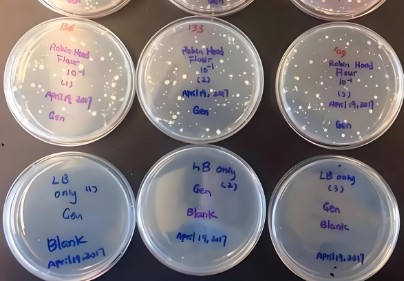
- Determination of the intramammary bacterial burden by the quantitative‑culture and the colony‑forming‑unit enumeration method: at the predetermined time‑points after the treatment, the fourth inguinal mammary glands are aseptically excised, homogenised and serially diluted, and the viable bacterial count is determined by the spread‑plate or the spiral‑plating technique. The reduction in the bacterial load relative to the untreated infected control is expressed as the log10 CFU per gram of the tissue, providing the primary efficacy endpoint of the experimental study on mouse model of mastitis.
- Histopathological scoring and the morphometric analysis of the mammary‑gland tissue sections: the formalin‑fixed, paraffin‑embedded tissue blocks are sectioned and stained with the haematoxylin‑eosin and the Gram stain, and the degree of the neutrophilic infiltration, the alveolar‑epithelium necrosis, the interstitial oedema and the haemorrhage are semi‑quantitatively scored by a board‑certified veterinary pathologist, providing the objective, blinded assessment of the tissue‑damage severity.
- Measurement of the key pro‑inflammatory and the anti‑inflammatory cytokines and chemokines by the multiplex bead‑based immunoassay or the ELISA: the homogenate supernatant of the infected gland is analysed for the tumour‑necrosis‑factor‑α, the interleukin‑1β, the interleukin‑6, the interleukin‑10, the keratinocyte‑derived chemokine and the macrophage‑inflammatory‑protein‑2, and the concentration of each mediator is reported in the picograms per millilitre or the nanograms per gram of the tissue, providing the mechanistic insight into the test article’s immunomodulatory activity.
- Myeloperoxidase activity as a quantitative index of the neutrophil infiltration: the myeloperoxidase enzyme activity in the mammary‑gland homogenate is measured by the spectrophotometric or the fluorometric assay, and the result is expressed as the units per gram of the tissue, serving as a rapid, objective correlate of the inflammatory‑cell influx and a complementary endpoint to the histopathology.
- Blood‑milk‑barrier integrity assessment by the measurement of the lactalbumin or the bovine‑serum‑albumin leakage into the gland: the concentration of the milk‑specific or the plasma‑derived proteins in the homogenate is determined by the ELISA or the Western blot, quantifying the degree of the epithelial‑tight‑junction disruption that is a hallmark of the clinical mastitis.
Pharmacokinetic, Safety and Systemic‑Effect Evaluations – Experimental Study on Mouse Model of Mastitis
- Quantification of the test‑article concentration in the mammary‑gland tissue and the plasma by the liquid‑chromatography–tandem‑mass‑spectrometry: the drug or the active metabolite is extracted from the tissue homogenate or the plasma sample, and the pharmacokinetic profile – the maximum concentration, the time to the maximum concentration, the area‑under‑the‑curve and the half‑life – is reported, establishing the exposure‑response relationship and the optimal dosing regimen of the intramammary or the systemic therapy.
- Body‑weight monitoring, the clinical‑observation scoring and the mortality recording: the general health status of each mouse is evaluated at least twice daily, and any signs of the systemic toxicity – the piloerection, the hunched posture, the dehydration or the body‑weight loss exceeding 20 % – are documented, ensuring that the observed efficacy is not accompanied by an unacceptable systemic adverse‑effect profile.
- Gross‑necropsy and the organ‑weight analysis of the spleen, the liver and the kidney: at the termination of the study, the major organs are examined for the gross pathological changes, and the organ‑to‑body‑weight ratios are calculated, providing the basic systemic‑toxicity screening data that are required for the regulatory submission of the new veterinary drug.
- Evaluation of the test article’s effect on the commensal microbiota of the mammary gland and the gut by the 16S‑rRNA gene‑sequencing: the microbial‑community composition and the diversity indices are compared between the treatment groups and the controls, detecting any unintended disruption of the protective indigenous flora that could predispose the host to the reinfection.
Report Acceptance and Global Regulatory Compliance
All investigations performed within our experimental study on mouse model of mastitis are executed under the fully accredited scope of our ISO/IEC 17025 quality management system. Each test report that carries the ILAC mark is therefore automatically recognised by regulatory authorities, notified bodies, customs offices and supply‑chain partners in all major economies. For pharmaceutical and biologics developers, veterinary‑drug manufacturers, probiotic and functional‑food companies and research organisations anywhere in the world, the report constitutes legally robust, internationally accepted evidence that the antibacterial efficacy, the anti‑inflammatory activity, the pharmacokinetic profile and the safety of the test article have been determined in accordance with the applicable OECD, ISO and customer‑specified methods. The documentation can be directly used to support the investigational‑new‑drug application, the marketing‑authorisation dossier, the patent‑filing and the resolution of commercial and technical disputes concerning the therapeutic effectiveness and the safety of any candidate mastitis intervention.