Experimental Study on Coating Adhesion After Thermal Shock – Accredited Thermal Durability and Bond Strength Evaluation for Global Markets
Our internationally accredited laboratory provides a specialist experimental study on coating adhesion after thermal shock service that enables manufacturers of automotive paint systems, industrial protective coatings, electronic conformal coatings, architectural finishes and surface‑engineered components worldwide to independently quantify the retention of bond strength when a coated substrate is subjected to rapid and extreme temperature alternation. Every investigation is conducted within the rigorous framework of ISO/IEC 17025, and each report bearing the ILAC mark is unconditionally accepted by regulatory authorities, notified bodies and supply‑chain partners in all major economies. The experimental study on coating adhesion after thermal shock exposes the test specimen to a precisely defined sequence of sudden high‑temperature and low‑temperature transitions – typically from -40 °C to +150 °C within seconds – and then evaluates the residual adhesion by cross‑cut, pull‑off or scratch methods, comparing the result with the un‑shocked control. For a car manufacturer qualifying a bumper paint system, a consumer‑electronics producer verifying the coating on a metal housing, or a pipeline contractor certifying a field‑applied corrosion‑protection layer, this service delivers the legally robust, defensible data that underpin process validation, warranty approval and compliance with the relevant ISO, ASTM, EN and customer‑specified standards.
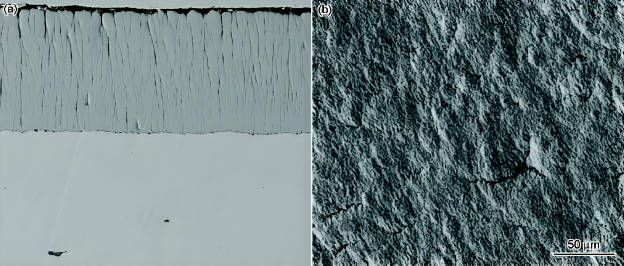
Product Samples We Regularly Subject to the Experimental Study on Coating Adhesion After Thermal Shock
Our dual‑zone thermal shock chambers, precision pull‑off testers, cross‑cut kits and climate‑controlled laboratories accommodate coated panels, finished components and witness coupons. The following categories represent the most frequently tested items:
- Automotive original‑equipment‑manufacturer and refinish paint systems – steel and aluminium body panels, plastic bumpers, mirror housings and exterior trim coated with primer, basecoat and clearcoat, and subjected to thermal shock to simulate the engine‑bay or the climatic‑chamber validation
- Protective and anti‑corrosion industrial coatings – epoxy, polyurethane, zinc‑rich and polysiloxane coatings on blasted steel substrates for bridges, offshore platforms, storage tanks and pipelines that must withstand the thermal cycles of the day‑night and the process‑temperature variations
- Electronic conformal coatings and encapsulation layers – acrylic, silicone, polyurethane and parylene films on printed‑circuit‑board assemblies that protect the circuits from moisture and contamination, and which must not delaminate or crack after the soldering‑thermal‑shock or the field‑temperature swings
- Powder coatings and coil‑coating finishes – polyester, epoxy‑polyester and polyvinylidene‑fluoride films on aluminium and galvanised‑steel sheets for architectural cladding, domestic‑appliance cabinets and metal furniture
- Thermal‑spray and physical‑vapour‑deposition coatings – tungsten‑carbide, chromium‑oxide, titanium‑nitride and diamond‑like‑carbon layers on cutting tools, forming dies and wear‑resistant parts, where the thermal‑shock‑induced adhesion loss can lead to the premature spallation
- Glass, ceramic and composite‑substrate coatings – anti‑reflective layers on glass, glazes on ceramic tiles, and gel‑coat finishes on fibre‑reinforced‑plastic panels for the marine and the sanitary‑ware industries
Thermal Shock Exposure and Adhesion Measurement – Experimental Study on Coating Adhesion After Thermal Shock According to ISO 2409, ASTM D3359, ISO 4624 and ASTM D4541
- Determination of the adhesion retention after a defined thermal‑shock cycle according to the internal protocol aligned with ISO 2409 (Paints and varnishes – Cross‑cut test) and ASTM D3359 (Standard Test Methods for Rating Adhesion by Tape Test): the coated specimen is first subjected to a thermal‑shock programme – typically a transfer between a cold chamber at -40 °C and a hot chamber at +120 °C, with a transfer time of less than 15 seconds and a dwell of 30 minutes, repeated for 50 or 100 cycles. After the last cycle, the specimen is conditioned at room temperature, and a lattice pattern of six or eleven cuts in each direction is scribed through the coating to the substrate. A standardised pressure‑sensitive tape is applied and rapidly removed, and the area of the detached coating is compared with the reference chart. The adhesion class (0 to 5) is reported for the thermally‑shocked and the control specimens, and the percentage of the specimens that retain the acceptable class is calculated. This experimental study on coating adhesion after thermal shock is the most widely used rapid‑screening method for the paint‑shop and the quality‑assurance laboratory.
- Quantitative pull‑off adhesion after the thermal shock according to ISO 4624 (Paints and varnishes – Pull‑off test for adhesion) and ASTM D4541: a dolly is glued to the coating surface after the thermal‑shock exposure, and a portable or a bench‑top pull‑off tester applies a tensile force perpendicular to the surface until detachment occurs. The pull‑off strength in megapascals, the fracture location (cohesive within the coating, adhesive at the interface or cohesive within the substrate) and the percentage retention relative to the un‑shocked control are reported. The experimental study on coating adhesion after thermal shock provides the quantitative bond‑strength data that the design engineer needs to calculate the safety margin against the delamination in service.
- Thermal‑shock‑and‑adhesion evaluation of the multi‑layer coating systems with a graded temperature profile: the maximum temperature of the hot chamber is raised in steps – +80 °C, +120 °C, +160 °C – while the cold chamber is held at -40 °C, and the pull‑off strength is measured after each step, identifying the critical thermal‑shock intensity at which the adhesion begins to degrade. This experimental study on coating adhesion after thermal shock defines the safe operating‑temperature envelope for the coating system.
- Scratch‑adhesion and the single‑pass‑progressive‑load test after the thermal shock according to the principles of ISO 20502 (Fine ceramics – Determination of the adhesion of ceramic coatings by scratch testing) adapted for the organic coatings: a diamond stylus is drawn across the thermally‑shocked coating under a linearly increasing normal load, and the critical load at which the first cohesive or adhesive failure occurs is recorded. The test provides a continuous measurement of the adhesion along the scratch track and is particularly suited to the thin, hard coatings on the metal and the glass substrates.
- Adhesion after the combined thermal‑shock and humidity or salt‑spray exposure: the specimen is subjected to the thermal‑shock programme immediately after a period of the damp‑heat or the salt‑mist conditioning, and the adhesion is evaluated, simulating the most severe real‑world scenario – such as a winter‑driving vehicle that experiences the stone‑chip and the de‑icing‑salt, followed by the engine‑heat and the freezing night.
- Influence of the substrate type, the surface preparation and the primer on the post‑thermal‑shock adhesion: the test is performed on the blasted, the phosphated, the anodised and the untreated substrates, and the performance of the different primer chemistries is compared, providing the data that the pretreatment‑line engineer uses to select the most robust preparation process for the multi‑material body‑in‑white.
Report Acceptance and Global Regulatory Compliance
All measurements performed within our experimental study on coating adhesion after thermal shock service are executed under the fully accredited scope of our ISO/IEC 17025 quality management system. Each test report that carries the ILAC mark is therefore automatically recognised by regulatory authorities, notified bodies, customs offices and supply‑chain partners in all major economies. For coating formulators, industrial finishers, automotive original‑equipment‑manufacturer paint‑shop managers and corrosion‑protection engineers anywhere in the world, the report constitutes legally robust, internationally accepted evidence that the adhesion of the coating system after the thermal‑shock exposure has been determined in accordance with the applicable ISO, ASTM, EN and customer‑specified methods. The documentation can be directly used to support the material approval, the process qualification, the CE marking of the coated article, the issue of inspection certificates according to EN 10204 or equivalent national standards, and the resolution of commercial and technical disputes concerning the thermal‑durability and the long‑term bond performance of any coating‑substrate system.