Electric Thermal Conversion Efficiency Experiment – Accredited Performance and Energy Efficiency Evaluation for Global Markets
Our internationally accredited laboratory provides a specialist electric thermal conversion efficiency experiment service that enables manufacturers of electric heaters, heat pumps, industrial furnaces, water boilers, domestic appliances and renewable‑energy thermal systems worldwide to independently measure the efficiency with which their products convert electrical power into useful heat. Every test is conducted under the rigorous framework of ISO/IEC 17025, and each report bearing the ILAC mark is unconditionally accepted by regulatory authorities, notified bodies and supply‑chain partners in all major economies. The electric thermal conversion efficiency experiment precisely quantifies the ratio of the thermal output to the electrical input under steady‑state or dynamic conditions, providing the fundamental data that design engineers, energy‑label auditors and compliance managers require to verify the declared performance, to optimise the product design and to demonstrate conformity with the ecodesign and energy‑labelling regulations that govern the global trade of heating and cooling equipment.
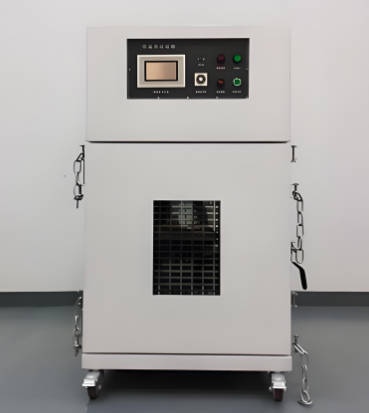
Product Samples We Regularly Subject to Electric Thermal Conversion Efficiency Experiments
The calorimetric chambers, flow‑metering rigs, precision power analysers and environmental test cells in our facility accommodate a broad variety of electro‑thermal devices. The following categories represent the most frequently tested items:
- Electric resistance heaters and heating elements – immersion heaters, cartridge heaters, tubular heaters, radiant panels and flexible heating mats for industrial process heating, comfort heating and freeze protection
- Heat pumps and air‑conditioning units – air‑source, water‑source and ground‑source heat pumps operating in the heating mode, including the integrated variable‑speed compressor systems for residential and commercial buildings
- Industrial furnaces, kilns and ovens – electrically heated chamber furnaces, conveyor ovens, induction furnaces and infrared drying tunnels for the ceramics, the glass, the metallurgical and the food‑processing industries
- Domestic water heaters and storage cylinders – instantaneous and storage‑type electric water heaters, point‑of‑use undersink heaters, and the electric‑booster elements of solar‑thermal storage tanks
- Electric steam generators and humidifiers – electrode‑boiler steam generators, electric steam irons, and the resistive‑heating humidifiers for the HVAC and the cleanroom applications
- Catering and food‑service equipment – electric griddles, deep‑fat fryers, pasta cookers, bain‑marie and hot‑cupboard appliances where the cooking‑energy efficiency is a regulated parameter
- Electric‑thermal energy‑storage systems – night‑storage heaters, brick‑core storage boilers, and the thermal‑battery modules that charge during the off‑peak electricity and discharge the heat during the peak demand
Resistance Heaters, Boilers and Direct‑Heating Appliances – Electric Thermal Conversion Efficiency Experiment According to IEC 60350, EN 442 and ASTM F2504
- Determination of the steady‑state thermal efficiency of an electric resistance heater or a boiler according to the principles of IEC 60350 (Household electric cooking appliances) and EN 442 (Radiators and convectors): the appliance is installed in a calorimetric test room or a flow‑through calorimeter, and the electrical input power, the inlet and the outlet water temperatures and the mass flow rate are measured once the thermal equilibrium has been achieved. The useful heat output, calculated from the enthalpy rise of the water or the air, is divided by the electrical power input to yield the thermal conversion efficiency, which is expressed as a percentage or a coefficient of performance. This electric thermal conversion efficiency experiment verifies that the product meets the minimum efficiency requirements of the ecodesign regulations and that the energy‑label classification is correctly declared.
- Measurement of the standby and the off‑mode power consumption of electric heating appliances according to IEC 62301 (Household electrical appliances – Measurement of standby power): the appliance is connected to a precision power analyser, and the power drawn when the thermostat has switched off the heating element, or when the appliance is in the off‑mode, is recorded. The standby‑power data are reported in watts, and they are compared with the maximum permitted values of the ecodesign implementing measures.
- Thermal efficiency at the part‑load and the modulating operation: for the heaters equipped with a proportional‑integral‑derivative controller or a solid‑state relay, the efficiency is measured at several fractions of the rated power – 25 %, 50 %, 75 % and 100 % – and the part‑load efficiency curve is reported. This electric thermal conversion efficiency experiment provides the data that the building‑energy modeller needs to simulate the annual energy consumption of the heating system in a realistic operational profile.
- Influence of the supply voltage, the ambient temperature and the altitude on the conversion efficiency: the test is repeated at the minimum and the maximum rated voltage, at the ambient temperatures from -20 °C to +50 °C, and at the simulated altitudes up to 3 000 m, to verify that the heater maintains its efficiency within the design tolerance across the entire range of the intended operating conditions.
- Efficiency of the electric‑steam‑generator and the humidifier electrodes: the condensate mass collected over a defined period is weighed, and the latent‑heat output is compared with the electrical energy consumed, giving the steam‑generation efficiency in kilograms of steam per kilowatt‑hour, which is the critical performance metric for the industrial‑process and the cleanroom‑humidification applications.
Heat Pumps, Air‑Conditioners and Refrigeration‑Cycle Equipment – Electric Thermal Conversion Efficiency Experiment According to EN 14511, ISO 5151 and ASHRAE 33
- Determination of the coefficient of performance and the seasonal heating efficiency of an electrically driven heat pump according to EN 14511 (Air conditioners, liquid chilling packages and heat pumps with electrically driven compressors for space heating and cooling) and the analogous ISO 5151: the heat pump is installed in a calibrated psychrometric chamber or a water‑side test bench, and the electrical power input, the airflow rates, the water‑glycol flow rates, and the air‑side or the water‑side inlet and outlet temperatures are measured under the standard rating conditions. The heating coefficient of performance COP – the ratio of the heating capacity in kilowatts to the electrical power input in kilowatts – is reported. The measurement is repeated at several outdoor‑air or water‑source temperatures to construct the COP‑versus‑temperature curve, and the seasonal coefficient of performance SCOP is calculated according to the weighting factors of the applicable climate zone. This electric thermal conversion efficiency experiment provides the mandatory performance data for the EU energy label, the US Energy‑Guide label and the Australian and the New‑Zealand Minimum‑Energy‑Performance Standards.
- Compressor calorimeter and the refrigerant‑enthalpy‑method testing of the heat‑pump components: the compressor alone is tested in a calorimeter, and the mass flow, the suction and the discharge pressures and temperatures, and the electrical input are measured, yielding the isentropic and the volumetric efficiency of the compressor. The data are used by the system integrator to select the correct compressor for the target heating‑capacity and the refrigerant.
- Defrost‑cycle and the frost‑accumulation efficiency measurement: the heat pump is operated in the heating mode at a low outdoor temperature and a high humidity until a frost layer builds up on the evaporator, and the energy consumed by the defrost heater and the energy lost during the defrost cycle are measured. The integrated heating efficiency including the defrost penalty is reported, providing the data that the installer needs to guarantee the annual energy performance in the cold and the humid climates.
- Hybrid and the bivalent‑system efficiency testing: for the systems that combine an electric heat pump with a gas or an oil boiler, the switching point, the parallel‑operation efficiency and the primary‑energy‑saving factor are determined, supporting the compliance with the EU Ecodesign Regulation for the hybrid heating systems.
Industrial Furnaces, Kilns and Process‑Heating Equipment – Electric Thermal Conversion Efficiency Experiment According to ASTM F2504, EN 1539 and ISO 13579
- Determination of the thermal efficiency of an industrial furnace or a kiln by the heat‑balance method according to ASTM F2504 (Standard Practice for Determining the Energy Efficiency of Industrial Furnaces) and the principles of ISO 13579: the total electrical energy input is measured by a three‑phase power analyser, and the useful heat absorbed by the load is calculated from the mass, the specific heat capacity and the temperature rise of the product, plus the heat of the phase transformation or the reaction. The radiation, the convection and the flue‑gas losses are quantified, and the overall thermal efficiency – the ratio of the useful heat to the electrical input – is reported. This electric thermal conversion efficiency experiment is used to benchmark the furnace performance, to optimise the insulation and the heating‑element design, and to certify the equipment for the energy‑efficiency incentive programmes.
- Efficiency of the induction‑heating and the dielectric‑heating systems: the workpiece is heated in an induction coil or between the capacitor plates, and the electrical‑to‑thermal conversion efficiency is measured by a calorimetric or a pyrometric method, providing the data that the process engineer uses to set the optimal frequency, the power level and the coil‑geometry for the maximum throughput per kilowatt.
- Infrared‑heating and the radiant‑panel efficiency testing: the radiant‑flux distribution and the electrical input are mapped, and the radiant efficiency – the fraction of the electrical power that is converted to the useful infrared radiation in the target wavelength band – is reported, supporting the design of the paint‑curing, the thermoforming and the comfort‑heating applications.
- Loss‑distribution and the exergy analysis of the electro‑thermal process: the energy flows are broken down into the useful heat, the cooling‑water losses, the surface‑convection and the radiation losses, and the storage‑and‑retrieval efficiency of the thermal‑storage medium, and the exergy efficiency is calculated, providing the thermodynamic‑quality metric that the energy‑auditor uses to identify the most cost‑effective improvement measures.
Report Acceptance and Global Regulatory Compliance
All measurements performed within our electric thermal conversion efficiency experiment programme are executed under the fully accredited scope of our ISO/IEC 17025 quality management system. Each test report that carries the ILAC mark is therefore automatically recognised by regulatory authorities, notified bodies, customs offices and supply‑chain partners in all major economies. For manufacturers of electric heaters, heat pumps, industrial furnaces and domestic‑water‑heating appliances anywhere in the world, the report constitutes legally robust, internationally accepted evidence that the thermal conversion efficiency, the coefficient of performance and the standby‑power consumption of the product have been determined in accordance with the applicable IEC, EN, ISO, ASHRAE, ASTM and customer‑specified methods. The documentation can be directly used to support CE marking, the energy‑label classification, the ecodesign compliance declaration, the issue of inspection certificates according to EN 10204 or equivalent national standards, and the resolution of commercial and technical disputes concerning the energy efficiency and the heat‑output performance of any electrically heated product.