
Direct Current Plasma Emission Spectrometer (DCP) Testing Service – Accredited Multi‑Element Analysis with High‑Salt Tolerance for Global Markets
Our internationally accredited laboratory delivers a specialist Direct Current Plasma Emission Spectrometer (DCP) testing service that provides mining operations, metallurgical processors, brine extractors, petroleum refineries and industrial manufacturers worldwide with robust, simultaneous multi‑element data in matrices that challenge conventional ICP‑OES. All analyses are conducted within the strict framework of ISO/IEC 17025, and every report bearing the ILAC mark is unconditionally accepted by regulatory authorities, customs offices and notified bodies in all major economies. The DCP testing service utilises a direct‑current argon plasma that operates at a lower gas flow and offers superior tolerance to high dissolved‑solid concentrations, making it the method of choice for the direct analysis of brines, saline waters, molten‑salt digestion products and high‑matrix alloys without the need for extensive dilution. By providing precise determinations of alkali, alkaline‑earth, transition and refractory elements from a single aspiration, our platform generates the legally robust, defensible data that underpin international resource estimates, material certification and environmental compliance.
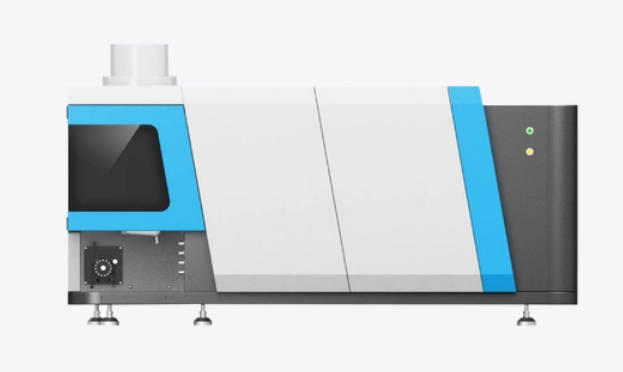
Product Samples We Regularly Analyze Using Direct Current Plasma Emission Spectrometry
The sample preparation laboratories in our facility are equipped to fuse, dissolve or dilute an extensive variety of materials. The following categories represent the samples most frequently submitted for our Direct Current Plasma Emission Spectrometer testing service:
- Metallurgical samples and alloys – carbon and low‑alloy steels, stainless steels, tool steels, nickel‑base and cobalt‑base hard‑facing alloys, ferroalloys and welding consumables
- Geological materials and ores – silicate rocks, iron ore, manganese ore, chromite, bauxite, phosphate rock, limestone, dolomite and heavy‑mineral sands
- High‑salinity waters and brines – geothermal brines, oilfield produced waters, seawater, evaporated salt‑pan liquors and lithium‑bearing brines
- Environmental waters and wastewaters – industrial effluents, mine‑drainage waters, leachates and landfill‑monitoring samples where total dissolved solids are elevated
- Petroleum products and lubricants – crude oil, heavy fuel oil, lubricating oils, greases and used‑oil samples for wear‑metal monitoring
- Industrial chemicals and process solutions – sodium hydroxide, sulfuric acid, electroplating baths, catalyst residues and ceramic glazes
- Agricultural and fertiliser materials – potassium chloride, ammonium phosphate, superphosphate, lime and trace‑element foliar sprays
Metals, Alloys and Wear‑Resistant Materials – DCP Testing for Grade Verification and Quality Control
- Simultaneous determination of alloying and residual elements in steels and nickel‑base alloys according to ASTM E1097 and internal procedures: a solid sample is dissolved in a mixture of hydrochloric and nitric acids, and the solution is aspirated into the direct‑current plasma. The emission intensities of chromium, nickel, manganese, molybdenum, vanadium, titanium, copper, cobalt, tungsten and aluminium are measured at their most sensitive wavelengths, and the concentrations are reported in weight percent. This Direct Current Plasma Emission Spectrometer testing service provides the comprehensive chemical composition data required for the certification of structural and high‑temperature alloys to the harmonised product standards that govern global trade in metal products.
- Analysis of ferroalloys and hard‑facing powders: ferrochrome, ferromanganese, ferrovanadium and chromium‑carbide powders are fused with sodium peroxide or lithium metaborate, and the melt is dissolved and analysed by DCP. The method determines the major element content of the ferroalloy and the trace impurities that affect the performance of the final alloy, directly supporting the purchasing specifications of steel mills and foundries.
- Determination of tungsten, molybdenum and cobalt in cemented carbides and wear‑resistant coatings: the sample is oxidised and fused, and the dissolved elements are quantified by DCP without the need for the time‑consuming gravimetric procedures that are traditionally used for high concentrations of tungsten. The data are used by tool manufacturers to verify the grade of incoming carbide powder and to adjust the composition of the binder phase.
- Measurement of phosphorus, sulfur and boron at low levels in cast iron and low‑alloy steel: the DCP spectrometer is configured with a high‑resolution monochromator to resolve the emission lines of phosphorus and sulfur in the ultraviolet region, and the concentrations are reported with detection limits suitable for the certification of engineering steels.
Geological Samples, Ores and Brines – Capitalising on the High‑Solids Tolerance of DCP
- Major‑ and minor‑element analysis of silicate rocks and iron ores according to a borate‑fusion DCP method: the sample is fused with lithium metaborate and dissolved in dilute nitric acid, producing a solution with a total dissolved‑solids content that would rapidly clog the nebuliser of a conventional ICP‑OES. The DCP plasma, operating with a three‑electrode configuration and a lower argon flow, accommodates this high‑salt load without signal suppression or drift. Silica, aluminium, iron, calcium, magnesium, sodium, potassium, titanium, manganese and phosphorus are determined simultaneously, providing the complete whole‑rock analysis required for resource estimation and mine‑planning.
- Direct determination of lithium, potassium, magnesium, calcium and boron in brines without dilution: the brine sample is filtered, acidified and aspirated directly into the DCP. The analyte concentrations, which range from milligrams per litre to grams per litre, are measured against matrix‑matched calibration standards. This DCP testing service is extensively used by the global lithium‑brine industry to monitor the evaporation‑pond process and to certify the grade of the final lithium chloride product.
- Analysis of phosphate rock and fertiliser minerals for macro‑ and micro‑nutrients: the sample is digested with nitric acid and hydrochloric acid, and the solution is analysed for phosphorus, calcium, magnesium, iron, aluminium, silicon, cadmium and uranium. The DCP's tolerance of the high‑calcium and high‑phosphate matrix ensures that the analytes of interest are determined with minimal interference, supporting the compliance of fertiliser products with the national standards of importing countries.
- Determination of gold, silver and platinum‑group elements in fire‑assay lead buttons and aqua‑regia digests: the button is dissolved in nitric acid, and the solution is analysed by DCP, providing the rapid, cost‑effective precious‑metal assays that exploration companies require to delineate ore bodies and to report resources under the JORC Code and NI 43‑101.
Petroleum Products, Lubricants and Industrial Fluids – DCP Testing for Wear Metals and Additives
- Determination of wear metals, contaminants and additive elements in lubricating oils by DCP according to a modified ASTM D5185 procedure: the oil sample is diluted with kerosene and aspirated directly into the DCP. The concentrations of iron, aluminium, copper, lead, tin, silicon, sodium, potassium, calcium, phosphorus, zinc, magnesium and molybdenum are measured and reported in milligrams per kilogram. The high‑salt matrix generated by the combustion of the organic solvent is well tolerated by the DCP source, and the data are used by fleet operators, power‑generation utilities and mining companies to schedule engine and gearbox maintenance.
- Analysis of crude oil, heavy fuel oil and refinery feedstocks for nickel, vanadium, sulfur and iron: the sample is ashed or digested, and the elements that cause corrosion, catalyst poisoning and air‑pollutant emissions are determined by DCP. The results assist refinery operators in blending crude oils and in demonstrating compliance with the IMO 2020 sulfur cap and other fuel‑quality regulations.
- Quality control of electroplating baths and surface‑treatment solutions: the concentrations of the primary coating metals – chromium, nickel, copper, zinc and tin – together with the bath additives and impurities, are measured by DCP after appropriate dilution. The rapid multi‑element capability allows the plating‑shop laboratory to adjust the bath composition in near real time, reducing scrap and rework.
Environmental and Industrial Wastewaters – High‑Salt Sample Analysis Without Excessive Dilution
- Analysis of mine‑drainage, landfill leachate and industrial effluent by direct‑current plasma spectrometry: the sample is acidified and introduced without the high dilution factors that are necessary with ICP‑OES, preserving the detection limits for trace metals such as cadmium, lead, chromium, arsenic and nickel. The DCP source is less susceptible to the ionisation‑interference effects that plague the analysis of high‑sodium and high‑calcium solutions, and the results are reported with a clear statement of the expanded measurement uncertainty.
- Determination of total recoverable metals in soils and sediments after acid digestion: the dried and sieved sample is extracted with nitric acid or aqua regia, and the extract is analysed by DCP. The concentrations of aluminium, iron, manganese, zinc, copper and chromium are compared with the applicable soil‑screening levels and the acceptance criteria for the disposal of contaminated sediment.
- Monitoring of nutrient and metal concentrations in hydroponic solutions and agricultural runoff: sodium, potassium, calcium, magnesium, iron, manganese, copper, zinc and boron are determined in a single analytical run, providing the data that greenhouse operators and environmental agencies require to optimise fertiliser application and to prevent the eutrophication of receiving waters.
Report Acceptance and Global Regulatory Compliance
All measurements performed within our Direct Current Plasma Emission Spectrometer testing service are executed under the fully accredited scope of our ISO/IEC 17025 quality management system. Each test report that carries the ILAC mark is therefore automatically recognised by regulatory authorities, notified bodies, customs offices and supply‑chain partners in all major economies. For mining houses, metal producers, brine extraction companies, petroleum refineries and industrial manufacturers anywhere in the world, the report constitutes legally robust, internationally accepted evidence that the elemental composition of the sample has been determined in accordance with the applicable ASTM, ISO and customer‑specified methods. The documentation can be directly used for resource‑reporting compliance, grade certification, environmental‑permit applications, the issue of inspection certificates according to EN 10204 or equivalent national standards, and the resolution of commercial and technical disputes concerning the elemental content of any material.




