
Cardamom Acylation Omics Detection – Accredited Protein Acylation Profiling for Global Research and Quality Assurance
Our internationally accredited laboratory delivers a specialist cardamom acylation omics detection service that empowers spice exporters, functional‑food manufacturers, plant‑biology researchers, pharmaceutical developers and quality‑assurance teams worldwide to comprehensively profile the post‑translational acylation modifications of proteins extracted from cardamom seeds, pods and processed cardamom products. All analyses are performed within the rigorous framework of ISO/IEC 17025, and each report bearing the ILAC mark is unconditionally accepted by regulatory authorities, notified bodies and supply‑chain partners in all major economies. The cardamom acylation omics detection platform employs high‑resolution liquid chromatography–tandem mass spectrometry combined with immunoaffinity enrichment using pan‑specific anti‑acyl‑lysine antibodies to identify and quantify hundreds to thousands of acetylation, succinylation, malonylation, crotonylation and other acyl‑modification sites across the cardamom proteome. For a spice trader verifying the authenticity and the geographical origin of a premium green‑cardamom lot, a nutraceutical company substantiating a claim that a specific processing method preserves the bio‑active protein modifications, or a research group investigating the role of lysine acylation in the drought‑tolerance of Elettaria cardamomum, this service provides the legally robust, defensible multi‑dimensional data that underpin product differentiation, scientific publication and regulatory compliance.
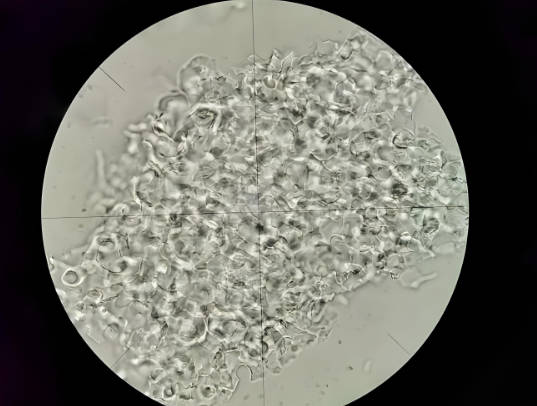
Product Samples We Regularly Subject to Cardamom Acylation Omics Detection
The protein‑extraction, digestion, immuno‑enrichment and nano‑LC‑MS/MS workflows in our facility accommodate a wide variety of cardamom matrices and their processed derivatives. The following categories represent the most frequently tested items:
- Raw cardamom seeds and whole pods – green Elettaria cardamomum and black Amomum subulatum seeds that are ground under cryogenic conditions to preserve the native acylation state
- Cardamom‑derived protein isolates and extracts – the aqueous, the alkaline and the enzyme‑assisted protein extracts used in the formulation of the functional foods, the dietary supplements and the plant‑based meat alternatives
- Thermally processed and the stored cardamom products – the dried, the roasted, the steam‑distilled and the irradiated cardamom samples, evaluated to determine the effect of the processing on the acylation‑mediated protein stability and the bio‑activity
- Cardamom from the defined geographical origins and the cultivation regimes – the organic, the conventional, the shade‑grown and the drought‑stressed cardamom, analysed for the differential acylation patterns that may serve as the biomarkers of the provenance or the agricultural practice
- Fermented and the enzyme‑treated cardamom preparations – the cardamom that has been subjected to the solid‑state fermentation or the treatment with the exogenous acetyltransferases or the deacetylases for the modification of the flavour and the bio‑functional properties
- Commercial cardamom oleoresins and the essential‑oil‑free residues – the protein‑rich by‑products of the supercritical‑CO₂ extraction, evaluated for the retention of the acylation‑dependent anti‑oxidant and anti‑inflammatory activities
Acylation Omics Profiling – Core Analytical Methods and Technologies
- High‑resolution protein acylation mapping by the immunoaffinity‑enrichment nano‑LC‑MS/MS according to the internal validated protocols and the best‑practice guidelines of the Human Proteome Organisation: the total protein is extracted from the cardamom sample, reduced, alkylated and digested with the trypsin. The resulting peptides are desalted, and the acyl‑modified peptides are enriched using the agarose‑conjugated pan‑specific anti‑acetyl‑lysine, anti‑succinyl‑lysine or anti‑crotonyl‑lysine antibodies. The enriched fraction is analysed on a quadrupole‑orbitrap mass spectrometer operated in the data‑dependent acquisition mode, and the spectra are searched against the Elettaria cardamomum proteome database using the MaxQuant or the Proteome Discoverer software. The false‑discovery rate is set to less than 1 % at the peptide and the protein level. This cardamom acylation omics detection identifies the exact sequence position of each acyl‑modification site and reports the localisation probability, providing the fundamental qualitative map of the cardamom acylation landscape.
- Label‑free and the tandem‑mass‑tag‑based quantitative acylation profiling: for the comparative studies – for example, the processing versus the fresh cardamom, or the different geographical origins – the peptides from each condition are labelled with the isobaric tandem‑mass‑tag reagents or are analysed by the label‑free quantification. The relative abundance of each acyl‑modified peptide across the sample groups is reported as the fold‑change and the adjusted p‑value, enabling the identification of the up‑regulated and the down‑regulated acylation sites that are associated with the treatment or the phenotype of interest.
- Multi‑acylation simultaneous profiling and the crosstalk analysis: the serial enrichment with the multiple anti‑acyl‑lysine antibodies – for example, the sequential capture of the acetyl‑, the succinyl‑ and the malonyl‑peptides from the same digest – is performed, and the co‑occurrence of the different acyl‑modifications on the same lysine residue or on the adjacent residues is reported, revealing the regulatory crosstalk that fine‑tunes the activity of the cardamom storage proteins, the enzymes of the terpenoid‑biosynthesis pathway and the stress‑response transcription factors.
- Determination of the total protein‑acylation stoichiometry by the stable‑isotope‑labelled internal‑standard method: a synthetic, heavy‑isotope‑labelled peptide that represents the acyl‑modified and the un‑modified form of a target site is spiked into the digest, and the ratio of the endogenous modified to the un‑modified peptide is measured by the parallel‑reaction monitoring, yielding the absolute occupancy of the acylation site in the percentage, which is the most direct indicator of the functional significance of the modification.
- Bioinformatics and the functional‑enrichment analysis of the acylation data: the identified acyl‑proteins are annotated against the Gene Ontology, the Kyoto Encyclopedia of Genes and Genomes pathways and the protein‑domain databases, and the enrichment of the specific biological processes, the molecular functions and the metabolic pathways among the differentially acylated proteins is reported, providing the systems‑level interpretation of the cardamom acylation omics data that the customer can directly use in the manuscript or the product dossier.
- Validation of the key acylation sites by the site‑directed mutagenesis and the in‑vitro acylation‑activity assay: for the critical modification sites that are hypothesised to regulate the cardamom protein stability or the enzyme activity, the recombinant protein carrying the lysine‑to‑arginine (non‑acylatable) or the lysine‑to‑glutamine (acyl‑mimetic) mutation is expressed, and the change in the thermal stability, the catalytic efficiency or the anti‑oxidant capacity is measured, providing the direct functional evidence that links the acylation event to the phenotypic trait of the cardamom.
Report Acceptance and Global Regulatory Compliance
All analyses performed within our cardamom acylation omics detection service are executed under the fully accredited scope of our ISO/IEC 17025 quality management system. Each test report that carries the ILAC mark is therefore automatically recognised by regulatory authorities, notified bodies, customs offices and supply‑chain partners in all major economies. For spice traders, functional‑food manufacturers, plant‑biology research institutes and agri‑tech companies anywhere in the world, the report constitutes legally robust, internationally accepted evidence that the protein acylation profile, the differential acylation patterns and the functional annotations of the cardamom proteome have been determined in accordance with the internal validated protocols and the customer‑specified methods. The documentation can be directly used to support the product‑authenticity claim, the patent application, the publication in a peer‑reviewed journal, the issue of inspection certificates according to EN 10204 or equivalent national standards, and the resolution of commercial and technical disputes concerning the molecular quality and the bio‑functional properties of any cardamom or cardamom‑derived product.




