Bonsai Experiment on Promoting Growth with Bacteria – Accredited Growth Promotion and Microbial Efficacy Evaluation for Global Markets
Our internationally accredited laboratory provides a specialist bonsai experiment on promoting growth with bacteria service that enables horticultural product developers, bio‑fertilizer manufacturers, botanical research institutes, nursery operators and agri‑tech companies worldwide to independently verify the plant‑growth‑promoting effects of selected bacterial strains on bonsai species. Every study is conducted under the rigorous framework of ISO/IEC 17025, and each report bearing the ILAC mark is unconditionally accepted by regulatory authorities, notified bodies and supply‑chain partners in all major economies. The bonsai experiment on promoting growth with bacteria quantifies the enhancement of root elongation, shoot biomass accumulation, leaf chlorophyll content, nutrient uptake and overall plant vigour following the controlled inoculation of the rhizosphere or the phyllosphere with defined plant‑growth‑promoting rhizobacteria or endophytes. For a bio‑fertilizer startup registering a Bacillus‑based inoculant for the ornamental tree market, a bonsai nursery evaluating a custom microbial blend to reduce the production cycle, or a research consortium characterising the auxin‑production pathway of a novel Pseudomonas isolate, this service delivers the legally robust, defensible plant‑growth data that underpin product registration, patent protection and the demonstration of the agronomic efficacy required for the global bio‑stimulant and bio‑fertilizer markets.
Product Samples We Regularly Subject to the Bonsai Experiment on Promoting Growth with Bacteria
The controlled‑environment growth chambers, rhizobox imaging systems, chlorophyll‑fluorescence analysers, nutrient‑solution monitoring arrays and root‑scanning stations in our facility accommodate a wide variety of bonsai species and bacterial formulations. The following categories represent the most frequently tested items:
- Bonsai tree seedlings and pre‑bonsai nursery stock – Juniperus chinensis, Pinus thunbergii, Acer palmatum, Ficus retusa, Ulmus parvifolia and Zelkova serrata propagated from seed, cutting or air‑layering, grown in a standardised bonsai substrate
- Bacterial inoculants and bio‑fertilizer formulations – single‑strain and multi‑strain suspensions, wettable powders, granules and liquid concentrates containing Bacillus subtilis, Bacillus amyloliquefaciens, Pseudomonas fluorescens, Azospirillum brasilense, Rhizobium spp. and mycorrhizal‑helper bacteria
- Carrier materials and application technologies – peat‑based, biochar‑based, alginate‑encapsulated and talc‑formulated carriers, as well as the seed‑coating, the root‑dipping and the soil‑drenching methods used to deliver the bacteria to the bonsai rhizosphere
- Growth‑media mixes and fertilisation regimes – the akadama‑pumice‑lava blends, the kanuma‑based substrates and the organic‑or‑controlled‑release fertiliser programmes that are combined with the bacterial treatment to evaluate the synergistic or the antagonistic effects on the bonsai growth
- Stress‑challenged bonsai plants – seedlings that are subjected to the drought, the salinity, the root‑pruning or the transplant shock before the bacterial inoculation, to quantify the ability of the growth‑promoting bacteria to mitigate the abiotic stress and to enhance the recovery
Core Experimental Methods – Evaluating Growth Promotion, Colonization and Plant Health in the Bonsai Experiment on Promoting Growth with Bacteria
- Determination of the shoot and the root growth enhancement by the controlled‑inoculation trial according to the internal protocols and the principles of ISO 11269‑2 (Soil quality – Determination of the effects of pollutants on soil flora – Part 2: Effects of contaminated soil on the emergence and early growth of higher plants, adapted for the beneficial microbes): a statistically replicated set of bonsai seedlings is inoculated with the test bacterial strain or the formulation at a defined colony‑forming‑unit density, and the plants are grown alongside the un‑inoculated controls in a controlled‑environment chamber for a standardised period – typically 60, 90 or 120 days. The shoot height, the stem diameter, the number of the lateral branches, the total leaf area and the shoot dry‑mass are measured, and the percentage increase relative to the control is reported. This bonsai experiment on promoting growth with bacteria provides the primary efficacy dataset that the manufacturer uses to substantiate the product label claim.
- Root‑architecture analysis by the automated rhizobox imaging and the WinRHIZO™ scanning according to the internal procedures: the seedling is grown in a flat, transparent rhizobox that allows the non‑destructive, time‑lapse imaging of the root system. The total root length, the number of the root tips, the root‑branching density and the root‑hair development are quantified by the image‑analysis software, and the colonisation of the root surface by the inoculated bacteria is confirmed by the scanning‑electron microscopy or the fluorescent‑in‑situ hybridisation.
- Measurement of the leaf chlorophyll content and the photosynthetic efficiency: the Soil‑Plant‑Analysis‑Development (SPAD) chlorophyll meter and the pulse‑amplitude‑modulated fluorometer are used to non‑destructively measure the leaf‑greenness and the maximum quantum efficiency of the photosystem II on the fully expanded bonsai leaves, providing the rapid, integrative indicators of the plant‑health status and the nutrient‑assimilation capacity that are directly influenced by the growth‑promoting bacteria.
- Nutrient‑uptake analysis – the macro‑ and the micro‑element content in the leaf and the stem tissue by the inductively coupled plasma optical emission spectrometry after the microwave‑assisted acid digestion: the concentrations of the nitrogen, the phosphorus, the potassium, the calcium, the magnesium, the iron, the zinc and the manganese in the plant tissue are determined, and the total nutrient‑accumulation per plant is calculated, quantifying the enhancement of the nutrient‑solubilisation and the uptake that is mediated by the bacterial siderophores, the organic‑acid production and the nitrogen‑fixation activity.
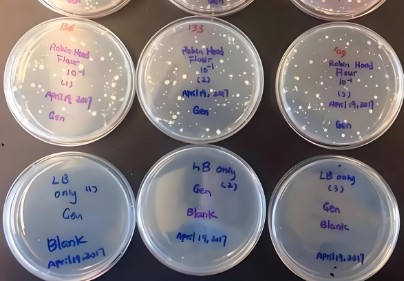
- Assessment of the rhizosphere‑colonisation competence and the persistence of the inoculated bacteria by the quantitative‑polymerase‑chain‑reaction and the plate‑counting methods: the population density of the target bacterial strain in the rhizosphere, the rhizoplane and the endosphere of the bonsai root is measured at the multiple time‑points using the strain‑specific primers or the selective media, and the colonisation‑dynamics curve is constructed, providing the essential data for the determination of the optimum application interval and the shelf‑life of the bio‑fertilizer product.
- Quantification of the bacterial‑phytohormone production – the indole‑3‑acetic acid, the gibberellic acid and the cytokinin concentrations in the rhizosphere extract by the liquid‑chromatography–tandem‑mass‑spectrometry: the levels of the growth‑stimulating phytohormones that are synthesised by the inoculated bacteria are measured, and the correlation between the hormone concentration and the observed plant‑growth promotion is established, supporting the mode‑of‑action elucidation and the strain‑selection programme.
Stress‑Tolerance and Hardiness Evaluations – The Bonsai Experiment on Promoting Growth with Bacteria Under Abiotic Stress
- Determination of the drought‑tolerance enhancement by the bacterial inoculation: the inoculated and the control bonsai seedlings are subjected to a controlled water‑withholding period, and the time to the first visible wilting, the leaf‑relative‑water‑content at the wilting point, and the post‑rehydration recovery rate are measured. The reduction in the drought‑stress symptoms and the improvement in the survival rate demonstrate the ability of the bacteria to prime the plant's drought‑defence response through the induction of the abscisic‑acid‑mediated stomatal closure and the accumulation of the osmoprotectants.
- Resistance to the root‑pruning and the transplant shock: the bonsai seedlings are root‑pruned to simulate the standard bonsai‑repotting procedure, and the bacterial inoculant is applied to the cut‑root surface and the fresh potting substrate. The speed of the new‑root emergence, the total new‑root biomass and the canopy‑dieback percentage are recorded, providing the data that the nursery operator uses to select the bacterial treatment that reduces the post‑repotting stress and the mortality.
- Evaluation of the disease‑suppressive effect of the growth‑promoting bacteria against the common bonsai root‑rot pathogens such as Fusarium oxysporum and Phytophthora cinnamomi: the inoculated and the control seedlings are challenged with the pathogen by the soil‑infestation method, and the disease‑incidence, the root‑rot severity score and the plant‑biomass reduction are recorded, quantifying the biocontrol activity that complements the direct growth‑promotion benefit of the bacterial treatment. This bonsai experiment on promoting growth with bacteria provides the integrated disease‑management data that are highly valued by the commercial nursery and the bonsai‑collector markets.
Report Acceptance and Global Regulatory Compliance
All investigations performed within our bonsai experiment on promoting growth with bacteria are executed under the fully accredited scope of our ISO/IEC 17025 quality management system. Each test report that carries the ILAC mark is therefore automatically recognised by regulatory authorities, notified bodies, customs offices and supply‑chain partners in all major economies. For bio‑fertilizer manufacturers, horticultural‑product developers, nursery operators and agri‑tech research organisations anywhere in the world, the report constitutes legally robust, internationally accepted evidence that the shoot‑and‑root growth promotion, the nutrient‑uptake enhancement, the phytohormone production, the rhizosphere colonisation and the abiotic‑stress tolerance conferred by the bacterial treatment have been determined in accordance with the applicable ISO, OECD and customer‑specified methods. The documentation can be directly used to support the product registration as a microbial plant biostimulant under the EU Fertilising Products Regulation, the US EPA biochemical pesticide registration, the issue of inspection certificates according to EN 10204 or equivalent national standards, and the resolution of commercial and technical disputes concerning the efficacy and the reliability of any bacterial inoculant intended to promote the growth of bonsai and other ornamental trees.