
Atomic Emission Spectrometer (AES) Testing Services – Accredited Multi‑Element Analysis for Global Markets
Our internationally accredited laboratory delivers comprehensive Atomic Emission Spectrometer (AES) testing services that equip manufacturers, metallurgical processors, environmental consultancies, mining houses, food producers and pharmaceutical companies worldwide with the rapid, simultaneous multi‑element data required for quality control, regulatory compliance and process optimisation. All analyses are conducted within the strict framework of ISO/IEC 17025, and every report bearing the ILAC mark is unconditionally accepted by regulatory authorities, customs offices and notified bodies in all major economies. AES testing services harness the power of inductively coupled plasma optical emission spectrometry (ICP‑OES) and spark optical emission spectrometry to determine major, minor and trace element concentrations in a single aspiration or excitation, covering the entire periodic table from lithium to uranium. Whether a client needs to certify a stainless‑steel heat to ASTM specifications, monitor heavy‑metal contaminants in wastewater, assay a copper‑gold concentrate or verify the purity of a pharmaceutical excipient, our platform delivers the legally robust, defensible data that form the basis of international trade, environmental permits and product registrations.
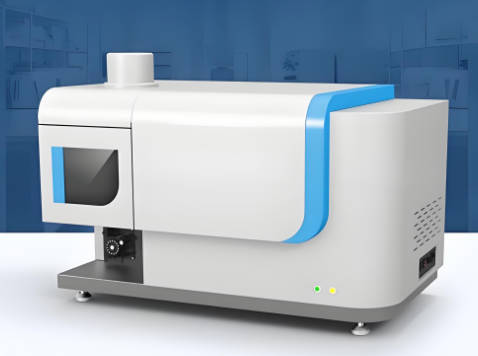
Product Samples We Regularly Analyze Using AES Testing Services
The sample preparation facilities in our laboratory can digest, fuse, dissolve or ablate virtually any solid, liquid or powder. The following categories represent the most frequently tested items received from supply chains on every continent:
- Metals and alloys – carbon and stainless steels, tool steels, aluminium alloys, copper alloys, nickel‑base superalloys, titanium alloys, zinc and lead alloys
- Ores, concentrates and geological materials – iron ore, bauxite, copper concentrate, gold‑bearing rock, mineral sands, limestone, dolomite and phosphate rock
- Environmental waters and wastewaters – drinking water, groundwater, surface water, industrial effluents, leachates and seawater
- Soils, sediments and solid wastes – contaminated land samples, dredged sediments, sewage sludge, fly ash, incinerator bottom ash and mine tailings
- Petroleum products, lubricants and fuels – crude oil, gasoline, diesel, biodiesel, lubricating oils, greases and fuel ethanol
- Food, beverages and agricultural products – cereals, vegetables, fruits, dairy products, meat, seafood, wine, edible oils and animal feed
- Pharmaceuticals, nutraceuticals and cosmetics – active pharmaceutical ingredients, excipients, herbal supplements, tablets, creams and lotions
- Chemicals, catalysts and industrial raw materials – acids, alkalis, salts, plating solutions, polymers, ceramic powders and glass
Metals, Alloys and Inorganic Materials – AES Testing Service According to ASTM E415, ASTM E1086 and ISO 11885
- Spark optical emission spectrometry for metals and alloys according to ASTM E415 (carbon steel), ASTM E1086 (stainless steel) and ASTM E1251 (aluminium alloys): a prepared flat surface is excited by a controlled spark in an argon atmosphere, and the characteristic emission lines of the elements present in the sample are measured simultaneously by photomultiplier tubes or charge‑coupled‑device detectors. The concentrations of carbon, silicon, manganese, phosphorus, sulfur, chromium, nickel, molybdenum, vanadium, copper, aluminium, titanium and up to thirty other elements are reported in weight percent. This Atomic Emission Spectrometer testing service is the primary method for the positive material identification and the certification of steel, cast iron, aluminium and copper alloys to the harmonised product standards that govern global trade in metal products.
- Determination of major and minor constituents in ores and metallurgical products by ICP‑OES according to ISO 11885 and ASTM E1479: the sample is dissolved in acid, fused with a flux or digested in a microwave, and the resulting solution is nebulised into a plasma at 6 000 K to 10 000 K. The emission intensity at element‑specific wavelengths is measured by a high‑resolution Echelle spectrometer, and the concentrations of up to fifty elements are quantified in a single acquisition. The method provides the precise determinations of base metals, rare‑earth elements and trace impurities that are critical for the valuation of mineral concentrates and the optimisation of smelter feed.
- Verification of alloy grades and determination of tramp and residual elements: the spark‑OES analysis is used to confirm that a heat of steel or aluminium meets the specified grade, and the levels of residual elements such as tin, antimony, lead, bismuth and calcium are reported to ensure compliance with the maximum permissible limits of the purchase specification.
- Analysis of precious metals in bullion and recycled scrap: gold, silver, platinum and palladium are determined in lead‑fire‑assay buttons and in aqua regia digests of electronic scrap and catalytic converters by ICP‑OES, with a precision and accuracy that meet the requirements of the London Bullion Market Association and the Responsible Jewellery Council.
Environmental Waters, Soils and Wastes – ICP‑AES Testing According to EPA 6010D and ISO 11885
- Determination of trace elements in waters and wastewaters by ICP‑OES according to EPA Method 6010D and ISO 11885: the sample is acidified with nitric acid, and twenty‑five to thirty‑five elements – including aluminium, arsenic, barium, beryllium, cadmium, chromium, cobalt, copper, iron, lead, manganese, mercury, molybdenum, nickel, selenium, silver, thallium, vanadium and zinc – are measured simultaneously. The method detection limits in the low microgram per litre range enable compliance testing against the WHO Guidelines for Drinking‑water Quality, the EU Drinking Water Directive and the national effluent standards of most industrialised countries.
- Analysis of soils, sediments and solid wastes by acid digestion and ICP‑OES according to EPA Method 3050B (soil) and EN 13656 (waste): the dried and sieved solid sample is digested in nitric acid and hydrogen peroxide or in aqua regia, and the extract is analysed. The concentrations of heavy metals and metalloids in milligrams per kilogram are compared with the applicable soil‑screening levels and the acceptance criteria for hazardous‑waste landfill.
- Determination of total and leachable elements in fly ash, slag and construction products: the sample is subjected to a standardised leaching test, and the eluate is analysed by ICP‑OES to assess the release of cadmium, chromium, lead and other regulated substances. This Atomic Emission Spectrometer testing service supplies the data that cement and aggregate producers need for CE marking and for the environmental product declarations required by green‑building rating systems worldwide.
- Analysis of seawater and brine for major cations and trace metals: sodium, potassium, calcium, magnesium, strontium, boron and lithium are determined at concentrations from sub‑milligram per litre to grams per litre after appropriate dilution and matrix matching, supporting desalination‑plant monitoring and lithium‑brine resource assessment.
Petroleum Products, Lubricants and Fuels – Wear‑Metal and Additive‑Element Analysis by AES
- Determination of wear metals, contaminants and additive elements in lubricating oils by rotating‑disc‑electrode or ICP‑OES according to ASTM D5185, ASTM D6595 and ASTM D7111: the oil sample is diluted with kerosene or xylene and analysed directly, or the particulate matter is digested. Elements such as iron, aluminium, copper, lead, tin, silicon, sodium, potassium, calcium, phosphorus, zinc and molybdenum are quantified, providing the condition‑monitoring data used by fleet operators, power‑generation utilities and mining companies to schedule engine overhauls and to detect coolant leaks or abnormal wear.
- Analysis of fuel contaminants and trace metals in gasoline, diesel and biodiesel according to ASTM D7111 and EN 14538: sodium, potassium, calcium, magnesium, phosphorus and sulfur are measured to confirm that the fuel meets the cleanliness requirements of the fuel‑injection‑equipment manufacturers and to prevent injector fouling and catalyst poisoning.
- Determination of sulfur, nickel and vanadium in crude oil and heavy fuel oils: the oil is ashed or digested, and the elements are determined by ICP‑OES, providing the data that refineries use to blend crude oils and to assess the corrosivity and the catalyst‑fouling potential of the feed.
- Screening of additive packages and lubricant formulations: the concentrations of calcium, zinc, phosphorus, magnesium and boron in fresh lubricants are verified against the formulation target, confirming that the finished product meets the specification for the API, ACEA or JASO service category.
Food, Beverages and Agricultural Materials – AES Testing for Nutritional Labelling and Contaminant Surveillance
- Determination of essential and trace elements in foodstuffs by ICP‑OES according to EN 15505, EN 15763 and AOAC methods: the homogenised and dry‑ashed or microwave‑digested sample is analysed for sodium, potassium, calcium, magnesium, iron, zinc, copper, manganese, chromium, selenium and molybdenum. The results are used to generate the nutrition‑fact panels required by Codex Alimentarius and the food‑labelling regulations of the EU, the United States and other major markets.
- Screening of heavy‑metal contaminants in fruits, vegetables, cereals and seafood according to Commission Regulation (EC) No 1881/2006 and the corresponding national standards: lead, cadmium, mercury and arsenic are determined at the maximum permissible levels, providing the data that importers and exporters need to demonstrate compliance with the strictest food‑safety regulations.
- Elemental fingerprinting of wines, spirits and fruit juices for authenticity and geographical‑origin verification: a panel of major and trace elements is measured by ICP‑OES, and the multi‑element profile is compared with a reference database to detect adulteration, mislabelling of the variety or false claims of origin, a service increasingly requested by regulatory agencies and large retail chains.
- Analysis of animal feeds, pet foods and fertilisers according to ISO 13933 (feed) and AOAC 965.09 (fertiliser): the concentrations of macro‑ and micro‑nutrients, as well as potential toxic elements such as arsenic and cadmium, are quantified to ensure that the product meets the nutritional requirements and the safety limits of the destination country.
Pharmaceuticals, Nutraceuticals and Cosmetics – AES Testing for Elemental Impurities According to ICH Q3D and USP
- Determination of elemental impurities in pharmaceutical products and excipients by ICP‑OES according to USP <232>, USP <233>, Ph. Eur. 2.4.20 and ICH Q3D: the sample is digested or dissolved, and the Class 1 (arsenic, cadmium, mercury, lead), Class 2A (cobalt, nickel, vanadium) and Class 2B elements are measured. The reported concentrations in micrograms per gram are compared with the permitted daily exposure limits, supporting the registration of new drug products with the FDA, EMA and other global health authorities.
- Analysis of heavy metals in herbal supplements, traditional medicines and nutraceuticals: lead, arsenic, cadmium and mercury are determined by ICP‑OES after microwave digestion, providing the data that health‑supplement importers require to satisfy the California Proposition 65 requirements and the health‑canada natural‑health‑product regulations.
- Elemental impurity profiling of cosmetic raw materials and finished products: titanium dioxide, zinc oxide, iron oxides and trace impurities are quantified to ensure that the cosmetic complies with the EU Cosmetics Regulation (EC) No 1223/2009 and the ASEAN Cosmetic Directive, and to support the labelling of mineral‑based sunscreens.
Report Acceptance and Global Regulatory Compliance
All measurements performed within our Atomic Emission Spectrometer testing services are executed under the fully accredited scope of our ISO/IEC 17025 quality management system. Each test report that carries the ILAC mark is therefore automatically recognised by regulatory authorities, notified bodies, customs offices and supply‑chain partners in all major economies. For steel mills, mining corporations, environmental laboratories, petroleum refineries, food processors and pharmaceutical manufacturers anywhere in the world, the report constitutes legally robust, internationally accepted evidence that the elemental composition of the sample has been determined in accordance with the applicable ASTM, ISO, EPA, EN, USP and pharmacopoeial methods. The documentation can be directly used for material certification, environmental‑permit applications, food‑safety clearance, drug‑registration submissions, the issue of inspection certificates according to EN 10204 or equivalent national standards, and the resolution of commercial and technical disputes concerning the elemental content of any material.




