Argon Lamp Aging Experiment – Accredited Photodegradation and Weathering Resistance Evaluation for Global Markets
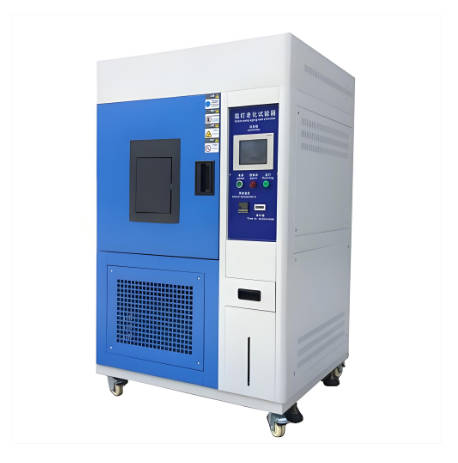
Our internationally accredited laboratory provides a dedicated argon lamp aging experiment service that enables polymer manufacturers, coating producers, automotive component suppliers, textile mills, photovoltaic module developers and packaging converters worldwide to simulate the long‑term effects of solar radiation, heat and moisture on their materials in a compressed time frame. Every test is conducted within the rigorous framework of ISO/IEC 17025, and each report bearing the ILAC mark is unconditionally accepted by regulatory authorities, notified bodies and supply‑chain partners in all major economies. The argon lamp aging experiment uses a high‑intensity argon arc lamp as a full‑spectrum radiation source, closely reproducing the ultraviolet, visible and infrared energy distribution of natural sunlight. By precisely controlling the irradiance, black‑standard temperature, relative humidity and water spray cycles, we subject flat specimens, components and complete assemblies to the equivalent of years of outdoor exposure in days or weeks, generating the legally robust, traceable data that underpin material selection, warranty validation and compliance with the relevant ISO, ASTM, EN and customer‑specified standards.
Product Samples We Regularly Subject to Argon Lamp Aging Experiments
The sample trays and rotating racks of our argon lamp chambers accommodate a broad variety of materials, finished products and test coupons. The following categories represent the items most frequently evaluated through our argon lamp aging experiment programme:
- Polymer films, sheets and moulded parts – polyethylene, polypropylene, polycarbonate, acrylic, polyamide and polyvinyl chloride materials used in automotive interiors, outdoor furniture, glazing and consumer electronics housings
- Coatings, paints and surface finishes – automotive basecoat‑clearcoat systems, architectural coil‑coating finishes, powder coatings, marine anti‑fouling paints and industrial protective coatings
- Textiles, fabrics and nonwovens – outdoor upholstery, awning and shade‑sail fabrics, geotextiles, safety‑vest materials and military‑specification camouflage netting
- Photovoltaic encapsulants and back‑sheets – ethylene‑vinyl acetate and polyolefin elastomer encapsulant films, multi‑layer back‑sheets and front‑glass anti‑reflection coatings for solar modules
- Automotive exterior and interior trim – bumpers, mirror housings, dashboard skins, door‑panel inserts and seat‑cover materials that must resist colour fading and embrittlement
- Elastomers, seals and gaskets – ethylene‑propylene‑diene monomer rubber profiles, silicone weather‑stripping, polyurethane hydraulic seals and thermoplastic elastomer bellows
- Adhesives, sealants and tapes – structural acrylic and epoxy bonds, pressure‑sensitive adhesive transfer tapes and construction sealants whose bond strength and clarity are affected by UV exposure
- Wood, wood‑plastic composites and natural‑fibre products – decking boards, outdoor furniture, window‑frame profiles and architectural cladding made from wood‑filled or natural‑fibre‑reinforced polymers
Argon Lamp Aging Test Methods and Exposure Cycles – Spectral Simulation, Irradiance and Climate Control
- Full‑spectrum solar simulation according to the principles of ISO 4892‑2 (Plastics – Methods of exposure to laboratory light sources – Xenon‑arc lamps) adapted for the argon‑arc source: the specimen is exposed to a continuous argon‑arc radiation filtered through appropriate optical filters to match the spectral power distribution of terrestrial sunlight. The irradiance is controlled at a specified level – commonly 0.35 W/m² at 340 nm, 0.55 W/m² at 340 nm or 1.10 kW/m² total broadband – and the black‑standard temperature is maintained at 65 °C, 85 °C or 100 °C depending on the end‑use environment. This argon lamp aging experiment simulates the photochemical and thermal degradation that a material undergoes during outdoor service, and it is the preferred method for comparing the weatherability of polymers, coatings and textiles under realistic solar radiation.
- Cyclic exposure with water spray and humidity according to the protocols of ISO 4892‑2 Cycle 1 and ASTM G155 Cycle 1: the test programme alternates between a dry irradiation period and a dark period with a water spray on the specimen surface or a high‑humidity condensation phase. The spray cycle simulates the wetting and drying caused by rain and dew, which can leach out stabilisers, hydrolyse the polymer matrix and accelerate the loss of gloss and colour. The total test duration is expressed in hours or kilojoules per square metre, and the number of wet‑dry cycles is reported.
- High‑irradiance accelerated testing for rapid screening: by increasing the argon‑lamp power and reducing the distance to the specimens, an irradiance of up to 2.0 W/m² at 340 nm is achieved, allowing a 1 000‑hour test to deliver the equivalent radiant dose of 3 000 hours or more under standard conditions. This argon lamp aging experiment mode is used for the rapid ranking of material candidates during the research‑and‑development phase, with the understanding that the correlation with the natural weathering must be verified by a parallel outdoor exposure.
- Temperature‑ramped and step‑stress aging experiments for the determination of the activation energy: the specimen is exposed at three or more constant black‑standard temperatures – for example 65 °C, 85 °C and 105 °C – while the irradiance and the humidity are held constant. The degradation rate – measured as the time to reach a specified colour change, gloss loss or tensile‑strength retention – is plotted against the reciprocal absolute temperature, and the Arrhenius activation energy of the degradation process is calculated. The data allow the prediction of the service life at any ambient temperature and are used to set the accelerated‑aging safety margins for the warranty period.
- Behind‑glass and window‑filtered exposure for interior materials: the argon‑arc radiation is passed through a soda‑lime glass filter that cuts off the short‑wave ultraviolet below 310 nm, simulating the spectral conditions behind a window glass. This argon lamp aging experiment is specifically designed for automotive‑interior parts, furniture‑upholstery fabrics and museum‑display materials that are exposed to sunlight filtered through glazing.
- Correlation studies between the argon lamp aging and the outdoor natural weathering at benchmark sites: identical specimens are exposed in the argon lamp chamber and on outdoor racks at a subtropical (Florida), a desert (Arizona) and a temperate (Central European) site. The acceleration factor – the ratio of the time to a defined failure in the outdoor test to the time in the argon lamp chamber – is established for each material class, enabling the translation of the laboratory result into a predicted outdoor service life for the global market.
Evaluation and Analysis After the Argon Lamp Aging Experiment – Property Retention and Failure Criteria
- Measurement of the colour change and the yellowness index according to ISO 7724 and ASTM D2244: the CIELAB colour coordinates L*, a* and b* of the specimen are measured with a spectrophotometer before and after the exposure, and the total colour difference ΔE* and the yellowness index YI are reported. The results are used to quantify the colour fading, the yellowing and the chalking of the material, which are the primary consumer‑perceived failure modes for coatings, plastics and textiles.
- Gloss retention and distinctness‑of‑image evaluation according to ISO 2813 and ASTM D523: the specular gloss at 20°, 60° and 85° is measured, and the percentage retention of the initial gloss is reported. The argon lamp aging experiment determines the resistance of a clear‑coat, a gel‑coat or a decorative film to the micro‑roughening and the photo‑oxidative erosion that cause the loss of gloss and the hazing.
- Mechanical‑property retention – tensile, flexural and impact testing according to the applicable ISO and ASTM standards: the tensile strength, the elongation at break, the flexural modulus and the notched Izod or Charpy impact strength are measured on the exposed and the unexposed specimens. The percentage retention of each mechanical property is reported, and the data are used to assess the embrittlement, the chain‑scission and the loss of the structural integrity of the polymer or the composite after the argon lamp aging experiment.
- Chemical and surface‑analysis techniques – FTIR, DSC and scanning electron microscopy: the chemical changes in the surface layer – such as the formation of carbonyl and hydroxyl groups, the depletion of the UV‑stabiliser and the degradation of the polymer backbone – are identified by attenuated‑total‑reflectance Fourier‑transform infrared spectroscopy. The change in the glass‑transition temperature and the oxidation induction time are measured by differential scanning calorimetry, and the surface cracking, the pitting and the filler‑exposure are imaged by scanning electron microscopy, providing the microstructural evidence that explains the macroscopic property loss.
- Optical‑transmission and haze measurement for transparent materials: the light transmittance, the haze and the clarity of transparent plastics, glass‑substitute sheets and photovoltaic encapsulants are measured according to ASTM D1003 before and after the exposure, and the change in each parameter is reported. This argon lamp aging experiment verifies that the transparent component will maintain its optical performance over the service life.
Report Acceptance and Global Regulatory Compliance
All measurements performed within our argon lamp aging experiment service are executed under the fully accredited scope of our ISO/IEC 17025 quality management system. Each test report that carries the ILAC mark is therefore automatically recognised by regulatory authorities, notified bodies, customs offices and supply‑chain partners in all major economies. For polymer manufacturers, coating producers, automotive suppliers, textile converters and solar‑energy companies anywhere in the world, the report constitutes legally robust, internationally accepted evidence that the photodegradation resistance, the colour stability and the mechanical‑property retention of the material have been determined in accordance with the applicable ISO, ASTM, EN and customer‑specified methods. The documentation can be directly used to support CE marking, the issue of inspection certificates according to EN 10204 or equivalent national standards, the compilation of technical files for type‑examination, and the resolution of commercial and technical disputes concerning the weatherability and the long‑term durability of any material exposed to solar radiation and environmental stress.