Anhydrated Lactoglobulin Detection Service – Accredited Protein Purity, Moisture and Composition Analysis for Global Markets
Our internationally accredited laboratory provides a specialist anhydrated lactoglobulin detection service that enables dairy ingredient manufacturers, sports‑nutrition formulators, infant‑formula producers, pharmaceutical excipient suppliers and food‑safety testing agencies worldwide to independently verify the protein content, moisture level, amino‑acid profile, purity and microbiological safety of their beta‑lactoglobulin‑enriched powders and related whey‑protein preparations. Every analysis is performed under the rigorous framework of ISO/IEC 17025, and each report bearing the ILAC mark is unconditionally accepted by regulatory authorities, notified bodies and supply‑chain partners in all major economies. The anhydrated lactoglobulin detection programme quantifies the total protein by the Kjeldahl or the Dumas method, identifies and measures the beta‑lactoglobulin fraction by the high‑performance liquid chromatography or the enzyme‑linked immunosorbent assay, determines the residual moisture and the water activity, and screens for the heavy‑metal contaminants and the microbial pathogens, providing the complete, legally robust data package that the manufacturer needs to certify the product to the European, the North American and the Codex Alimentarius standards and to substantiate the label claims of the purity, the potency and the safety.

Product Samples We Regularly Subject to Anhydrated Lactoglobulin Detection
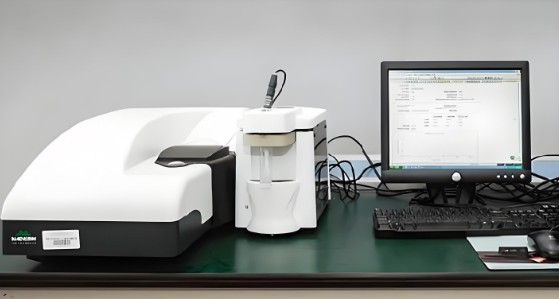
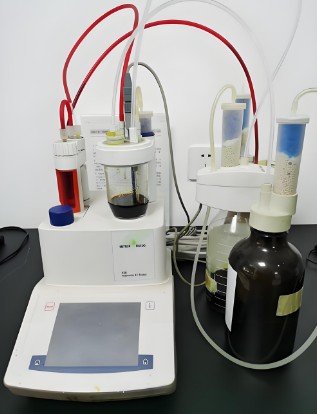
The Kjeldahl digestion units, the Dumas nitrogen analysers, the HPLC systems with the UV and the mass‑spectrometric detection, the Karl‑Fischer titrators, the water‑activity meters and the inductively coupled plasma mass spectrometers in our facility accommodate a wide variety of lactoglobulin‑rich powders and their intermediates. The following categories represent the most frequently tested items:
- Anhydrous beta‑lactoglobulin powders – the spray‑dried and the freeze‑dried preparations containing more than 90 % beta‑lactoglobulin, used as the functional protein ingredient in the sports‑nutrition, the clinical‑nutrition and the geriatric‑nutrition products
- Whey protein isolates and concentrates – the commercial WPI and WPC products that are enriched in the beta‑lactoglobulin fraction, tested for the total protein, the lactoglobulin‑to‑total‑protein ratio and the absence of the denatured protein aggregates
- Infant‑formula and the follow‑on formula ingredients – the demineralised whey powder and the alpha‑lactalbumin‑enriched fractions, where the beta‑lactoglobulin content must be controlled because of its allergenic potential
- Pharmaceutical‑grade lactoglobulin excipients – the highly purified, low‑endotoxin beta‑lactoglobulin powders that are used as the stabiliser and the carrier in the oral and the injectable drug formulations
- Lactoglobulin‑fortified food products – the protein bars, the ready‑to‑drink shakes, the baked goods and the dairy desserts that are labelled as containing a specific quantity of the beta‑lactoglobulin, submitted for the verification of the label claim
- Reference‑standard and the proficiency‑testing materials – the in‑house or the commercially available lactoglobulin reference powders that are used for the calibration of the analytical instruments and the inter‑laboratory comparison exercises
Total Protein, Moisture and Ash Determination – Anhydrated Lactoglobulin Detection According to AOAC, ISO and the Pharmacopoeial Methods
- Determination of the total nitrogen and the crude protein content by the Kjeldahl or the Dumas combustion method according to AOAC 991.20 (Kjeldahl) and ISO 14891 (Dumas): a precisely weighed mass of the lactoglobulin powder is digested with the concentrated sulfuric acid and a catalyst, or combusted in an oxygen‑rich atmosphere, and the liberated nitrogen is quantified. The nitrogen‑to‑protein conversion factor appropriate for the whey proteins – typically 6.38 – is applied, and the total protein content in the grams per 100 grams is reported. This anhydrated lactoglobulin detection provides the primary specification parameter that is declared on the product label and the certificate of analysis.
- Measurement of the residual moisture by the Karl‑Fischer coulometric titration or the loss‑on‑drying method according to ISO 5537 (Dried milk and dried milk products – Determination of moisture content – Reference method): the powder is analysed by the Karl‑Fischer titration, which selectively measures the water without the interference of the other volatile compounds, or it is dried in an oven at 102 °C to a constant mass. The moisture content in the grams per 100 grams is reported, verifying that the product meets the “anhydrated” or the “low‑moisture” specification, typically below 5 % for the stable, long‑shelf‑life powders.
- Determination of the ash and the mineral content according to AOAC 930.30 (Ash of Dried Milk): the powder is incinerated in a muffle furnace at 550 °C, and the mass of the incombustible residue is reported, providing the data that the formulator uses to calculate the total solids and the carbohydrate‑by‑difference content, and that the quality‑control manager uses to detect the adulteration with the inorganic fillers.
- Water‑activity measurement by the dew‑point or the capacitance‑sensor method according to ISO 18787 (Foodstuffs – Determination of water activity): the water activity of the lactoglobulin powder is measured at 25 °C, and the result must be below 0.3 to guarantee the microbial stability and the prevention of the Maillard‑browning and the protein‑cross‑linking during the storage.
Beta‑Lactoglobulin Identification, Purity and Denaturation Assessment – Anhydrated Lactoglobulin Detection by HPLC and Immunoassay
- Quantification of the beta‑lactoglobulin A and B variants by the reversed‑phase high‑performance liquid chromatography according to the internal validated protocol and the principles of ISO 21468 (Dried milk and milk products – Determination of the total β‑lactoglobulin content by HPLC): the lactoglobulin powder is dissolved in a phosphate buffer, filtered and injected onto a C8 or a C18 column, and the beta‑lactoglobulin A and B genetic variants are separated by an acetonitrile‑water‑trifluoroacetic‑acid gradient and detected at 214 nm. The concentration of each variant and the total beta‑lactoglobulin in the grams per 100 grams are calculated from a calibration curve prepared with the certified beta‑lactoglobulin reference standard, and the percentage of the beta‑lactoglobulin in the total protein is reported. This anhydrated lactoglobulin detection provides the definitive, variant‑resolved purity data that the ingredient supplier uses to certify the product to the customer’s specification and that the research and development team uses to select the raw material for the functional‑food and the clinical‑nutrition applications.
- Enzyme‑linked immunosorbent assay for the specific quantification of the native, non‑denatured beta‑lactoglobulin: a monoclonal antibody that recognises only the conformational epitope of the native beta‑lactoglobulin is used in a sandwich ELISA format, and the concentration of the immunoreactive, native protein is measured. The ratio of the ELISA‑determined native beta‑lactoglobulin to the HPLC‑determined total beta‑lactoglobulin is calculated, providing the sensitive indicator of the heat‑induced denaturation and the aggregation that can reduce the solubility and the functionality of the lactoglobulin powder.
- Determination of the total amino‑acid composition and the nutritional quality indices by the ion‑exchange chromatography with the post‑column ninhydrin derivatisation according to ISO 13903 (Animal feeding stuffs – Determination of amino acids content) and the internal procedures: the lactoglobulin powder is hydrolysed with the 6 M hydrochloric acid, and the released amino acids are separated and quantified. The essential‑amino‑acid profile, the branched‑chain‑amino‑acid content and the amino‑acid score are reported, providing the data that the sports‑nutrition formulator uses to substantiate the muscle‑protein‑synthesis and the recovery‑support claims.
- Size‑exclusion chromatography for the detection of the soluble aggregates, the dimers and the monomers: the lactoglobulin solution is injected onto a size‑exclusion column, and the relative percentages of the high‑molecular‑weight aggregates, the dimeric and the monomeric beta‑lactoglobulin are reported, providing the complementary solubility and the physical‑stability data that are essential for the clear, ready‑to‑drink beverage applications.
Heavy Metals, Microbiological Safety and Allergen Screening – Anhydrated Lactoglobulin Detection for the Regulatory Compliance
- Determination of the lead, the cadmium, the mercury and the arsenic by the inductively coupled plasma mass spectrometry according to the internal validated protocols and the principles of the Commission Regulation (EC) No 1881/2006: the powder is digested with the concentrated nitric acid and the hydrogen peroxide in a closed‑vessel microwave system, and the concentration of each heavy metal in the milligrams per kilogram or the micrograms per kilogram is measured. The results are compared with the maximum permitted levels for the food supplements and the dietary foods, providing the essential data for the European, the US FDA and the Codex Alimentarius compliance.
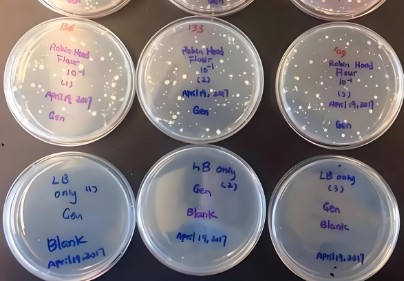
- Total aerobic plate count, the Enterobacteriaceae, the Salmonella and the Cronobacter sakazakii detection according to the ISO 4833‑1, the ISO 21528‑2, the ISO 6579‑1 and the ISO 22964: the powder is rehydrated and plated on the selective and the non‑selective media, and the absence or the presence of the specified pathogens and the indicator organisms is reported, ensuring the microbiological safety of the lactoglobulin ingredient for the infant‑formula, the sports‑nutrition and the clinical‑nutrition markets.
- Detection of the bovine‑milk allergenic residues by the enzyme‑linked immunosorbent assay according to the AOAC Official Method 2012.01 (β‑Lactoglobulin ELISA): the swabs from the production‑equipment surfaces and the rinse‑water samples are analysed for the beta‑lactoglobulin, and the concentration in the micrograms per swab or the micrograms per millilitre is reported, supporting the cleaning‑validation and the allergen‑management programmes of the multi‑product manufacturing facilities.
- Lactose and the galactose determination by the enzymatic assay according to the ISO 5765‑1 (Dried milk, dried ice‑mixes and processed cheese – Determination of lactose content – Part 1: Enzymatic method utilizing the glucose oxidase‑peroxidase system): the residual lactose content in the lactoglobulin powder is measured, and the result is reported in the grams per 100 grams, providing the data for the “low‑lactose” and the “lactose‑free” label claims and for the suitability of the product for the lactose‑intolerant consumers.
Report Acceptance and Global Regulatory Compliance
All analyses performed within our anhydrated lactoglobulin detection service are executed under the fully accredited scope of our ISO/IEC 17025 quality management system. Each test report that carries the ILAC mark is therefore automatically recognised by regulatory authorities, notified bodies, customs offices and supply‑chain partners in all major economies. For dairy‑ingredient manufacturers, sports‑nutrition formulators, infant‑formula producers, pharmaceutical‑excipient suppliers and food‑safety testing agencies anywhere in the world, the report constitutes legally robust, internationally accepted evidence that the total protein, the beta‑lactoglobulin purity, the moisture content, the amino‑acid profile, the heavy‑metal concentrations, the microbiological safety and the residual‑lactose level of the anhydrated lactoglobulin powder have been determined in accordance with the applicable AOAC, ISO, Ph. Eur. and customer‑specified methods. The documentation can be directly used to support the product registration, the label‑claim verification, the export‑certification, the issue of inspection certificates according to EN 10204 or equivalent national standards, and the resolution of commercial and technical disputes concerning the identity, the purity and the safety of any beta‑lactoglobulin‑enriched powder.